
Accor and CMKL University Explore the Future of AI and Cybersecurity in Hospitality
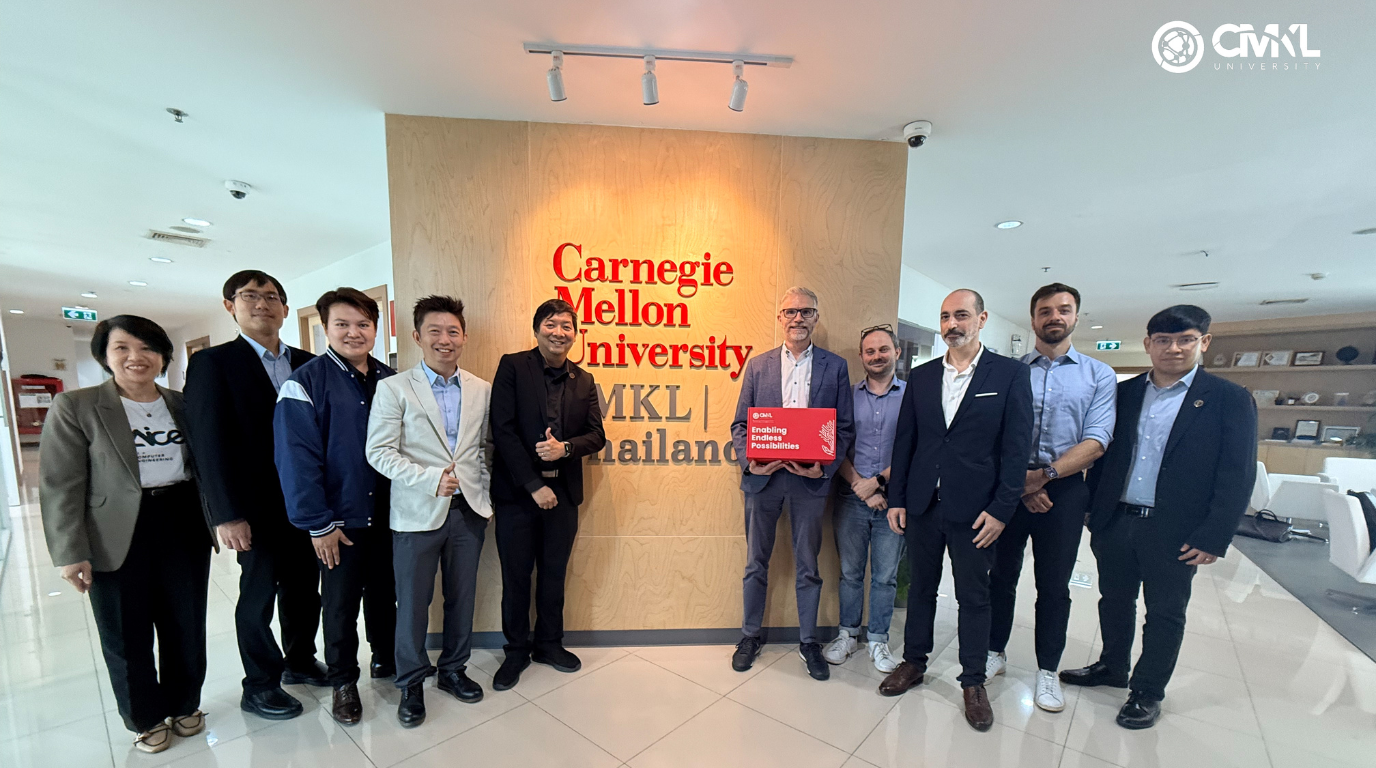
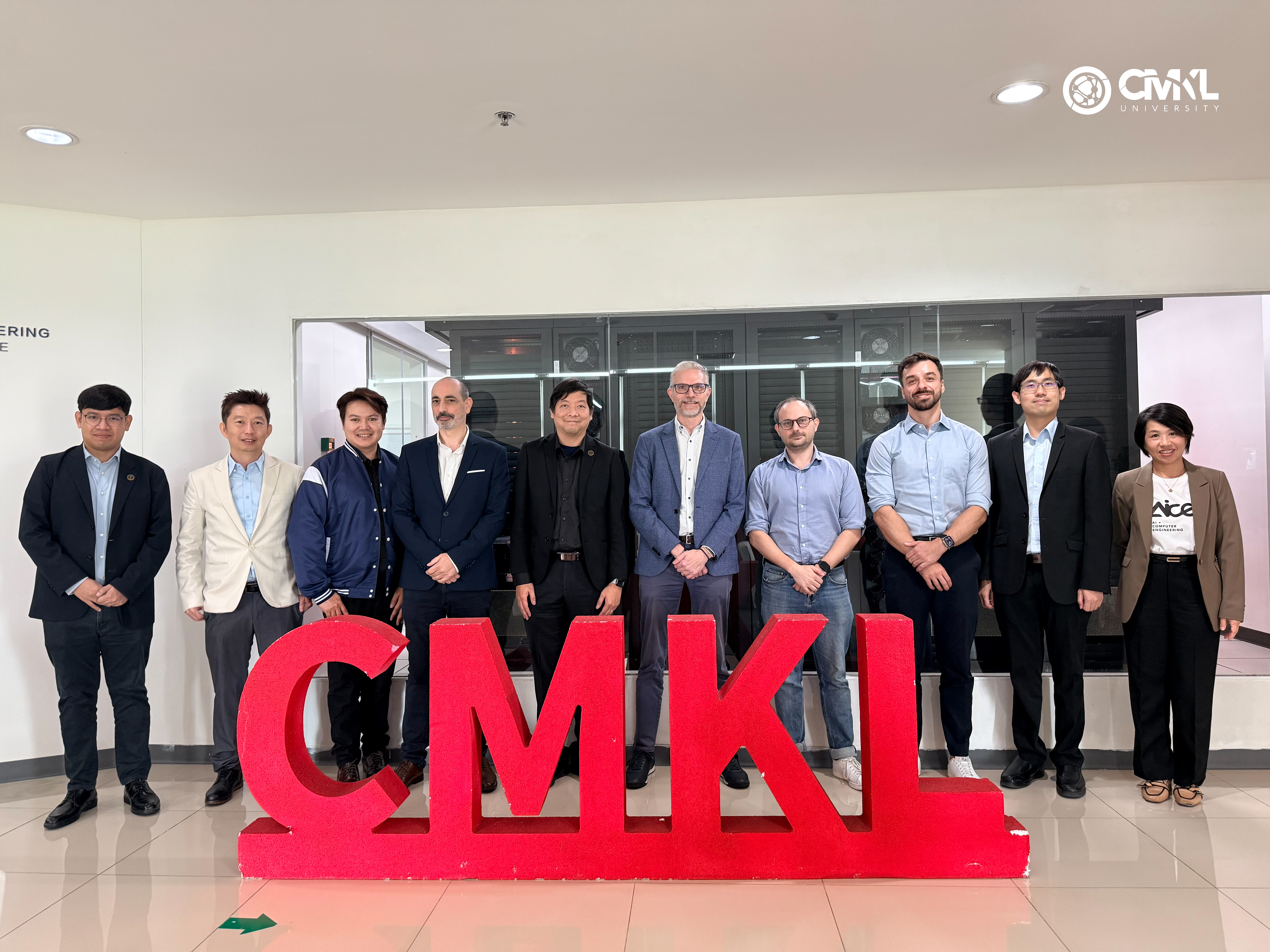
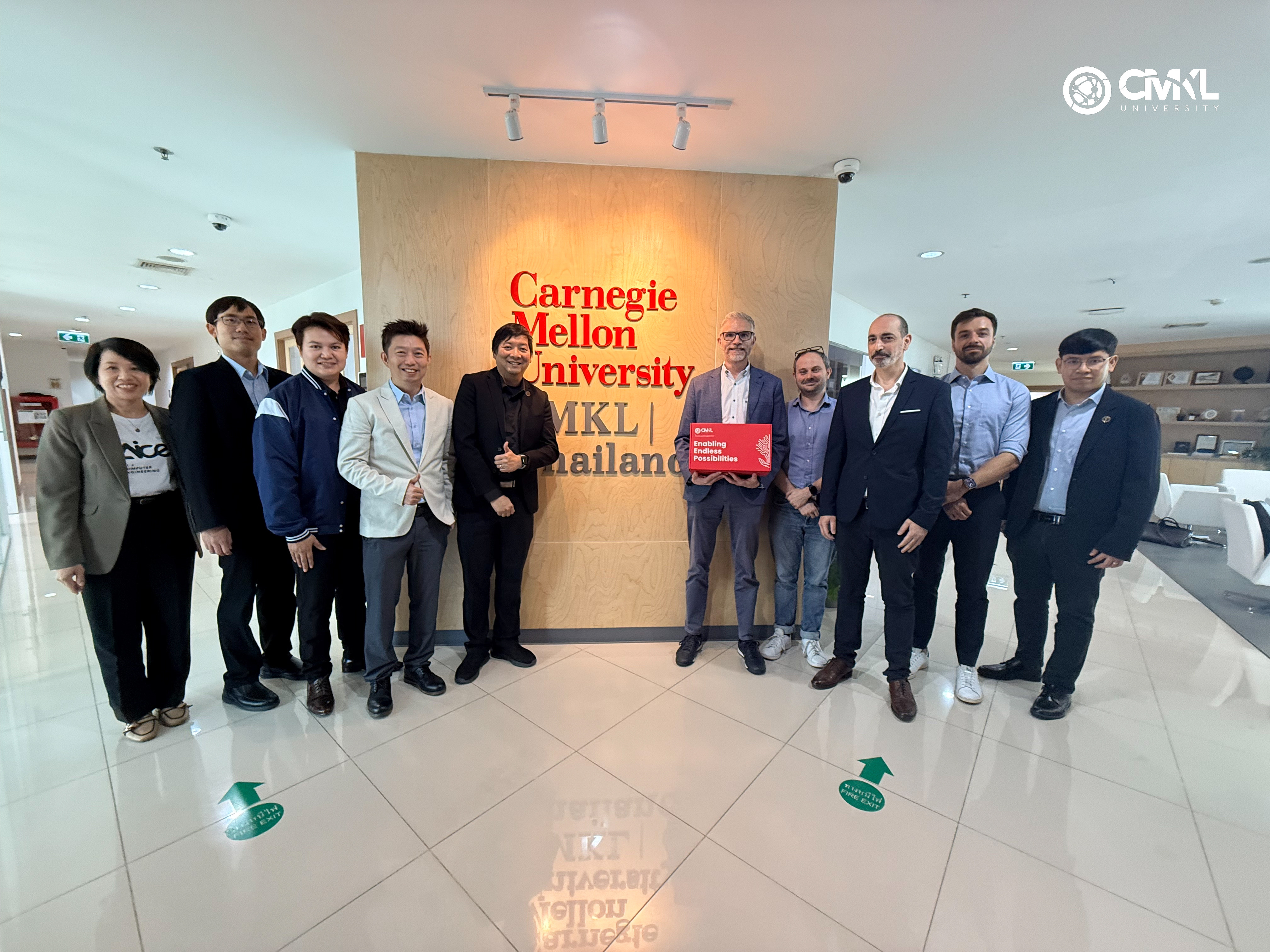
CMKL University recently welcomed senior representatives from Accor, a global hospitality group, for an introductory meeting to explore potential collaboration in artificial intelligence, cybersecurity, and the digital transformation of hospitality operations.
The discussion focused on how emerging technologies can help hospitality organizations modernize their IT infrastructure, strengthen cybersecurity, improve operational resilience, and deliver more seamless guest experiences.
As hotels become increasingly connected and data-driven, hospitality organizations must manage complex digital environments spanning reservation platforms, property management systems, payment services, customer data, cloud infrastructure, and connected devices. This creates significant opportunities for AI-enabled innovation while also increasing the need for robust cybersecurity, responsible data management, and resilient IT operations.
The meeting explored potential applications of AI across hospitality, including intelligent IT monitoring, automated incident detection, predictive maintenance, service management, operational optimization, and data-driven decision-making. The participants also discussed the importance of protecting guest information, securing digital systems, and preparing hospitality organizations to respond effectively to evolving cyber threats.
The CMKL University delegation was led by Dr. Akkarit Sangpetch, Director of CMKL University, together with faculty members and advisors whose expertise spans global engagement, artificial intelligence, and cybersecurity:
* Dr. Panarat Cherntanomwong, Consultant for Global Affairs and Outreach
* Dr. Sarun Gulyanon, AI Expert
* Dr. Charnon Pattiyanon, Cybersecurity Expert
CMKL University was pleased to welcome members of Accor’s IT leadership team:
* Mr. Gilles Oppeneau, Vice President, IT Infrastructure & Operations – Transformation & PMO
* Mr. Mikhael Aboukrat, Head of Service Management
* Mr. David Fritschy, Team Lead, AI-Driven Modernization of IT Operations
* Mr. Kiattisak Chitsongboon, IT Manager
* Mr. Jirawat Ariyanirawit
The exchange also highlighted opportunities to connect academic research with real-world hospitality challenges. Potential areas of collaboration may include applied research, industry-led projects, professional development, student engagement, and the cultivation of specialized talent equipped to work across AI, cybersecurity, IT operations, and hospitality technology.
By bringing together Accor’s global hospitality experience and CMKL University’s expertise in AI, engineering, and cybersecurity, the meeting represents a promising first step toward future collaboration.
Through partnerships with industry, CMKL University aims to ensure that research and education remain connected to practical needs, helping organizations adopt emerging technologies responsibly while preparing the next generation of professionals to contribute to the future of hospitality.


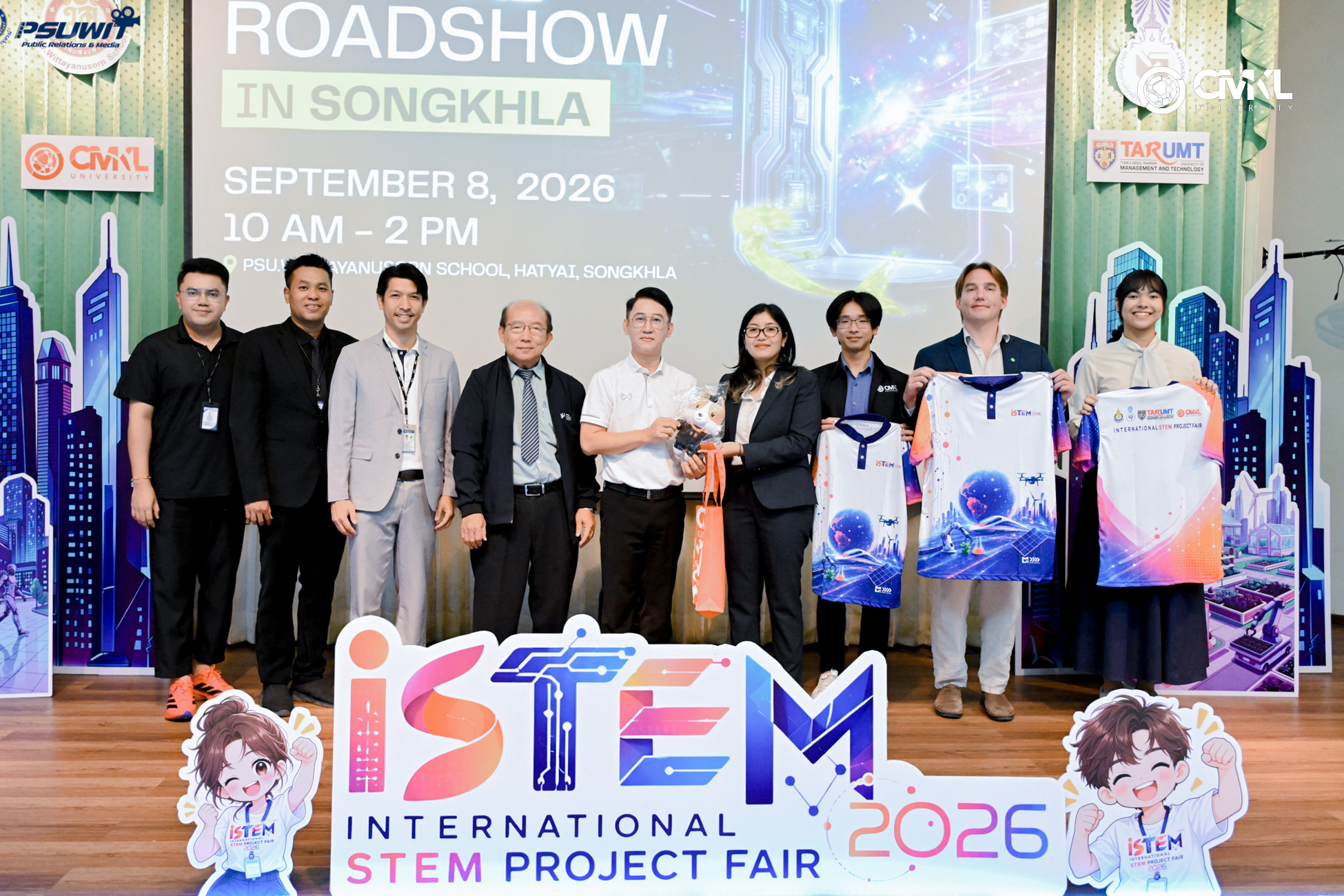
CMKL University recently brought its AI Roadshow to PSU Wittayanusorn School in Songkhla, offering high school students a day of immersive AI workshops led by world-class faculty and research team members. The event aimed to equip the next generation of tech leaders with practical skills and career insights.
Read more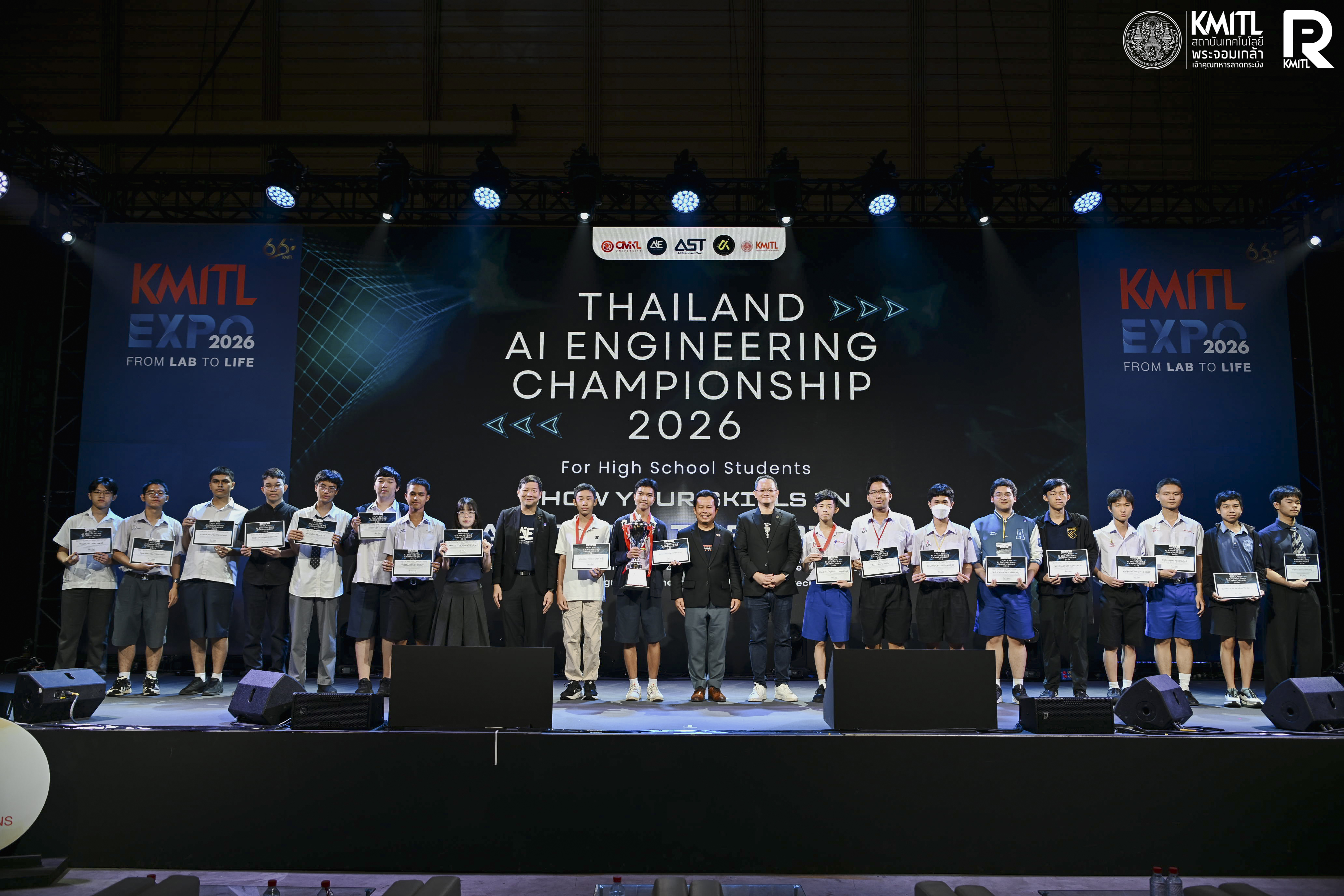
Thailand AI Engineering Championship (TAIEC) 2026, hosted by CMKL University and the AI Engineering Institute, brought together high school students from across Thailand to test their skills in AI, programming, problem-solving, and system design through a national-level competition.
Read more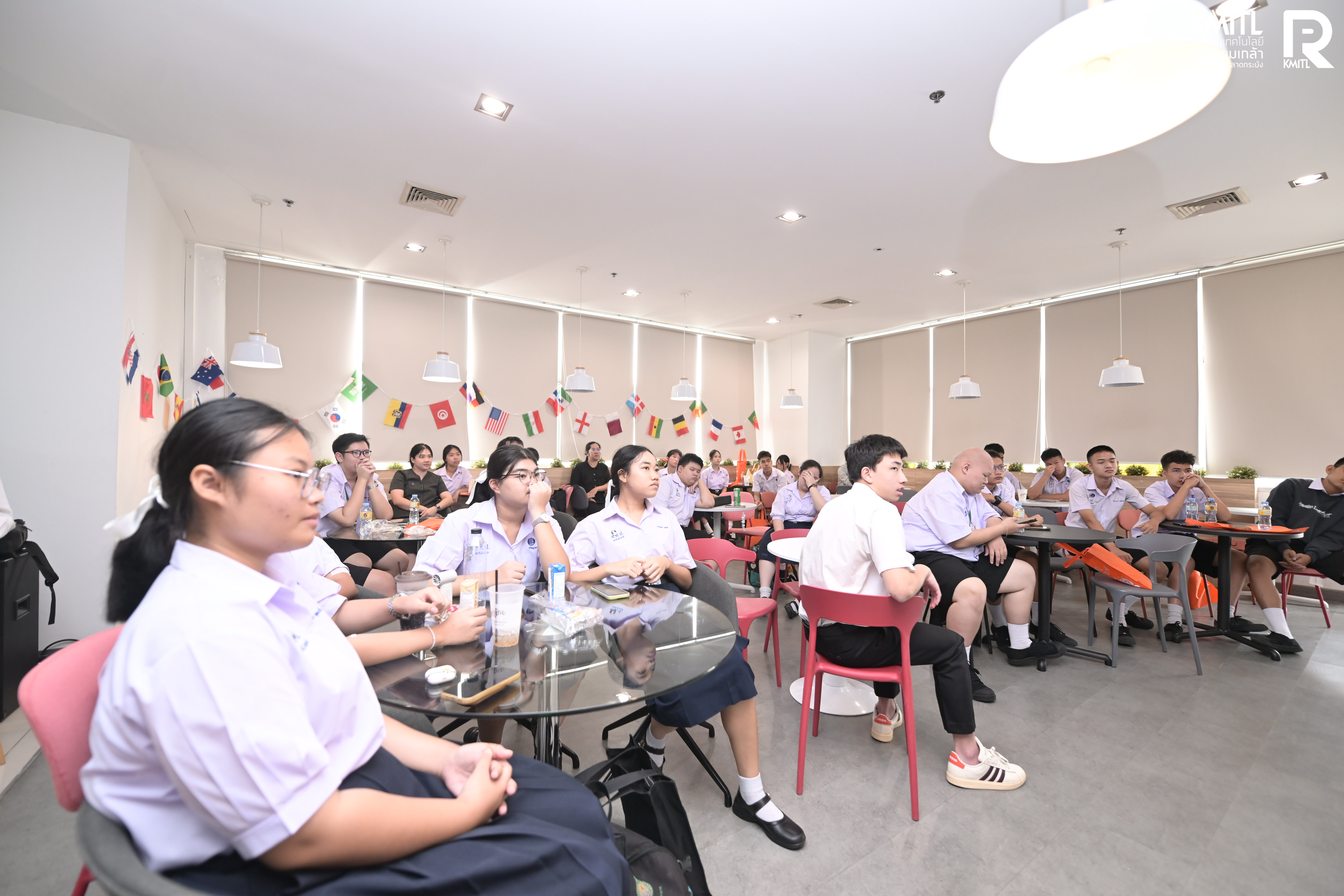
CMKL Open Days 2026 welcomed students, parents, and visitors to campus for a closer look at the university, its academic programs, student experience, and approach to AI education.
Read more