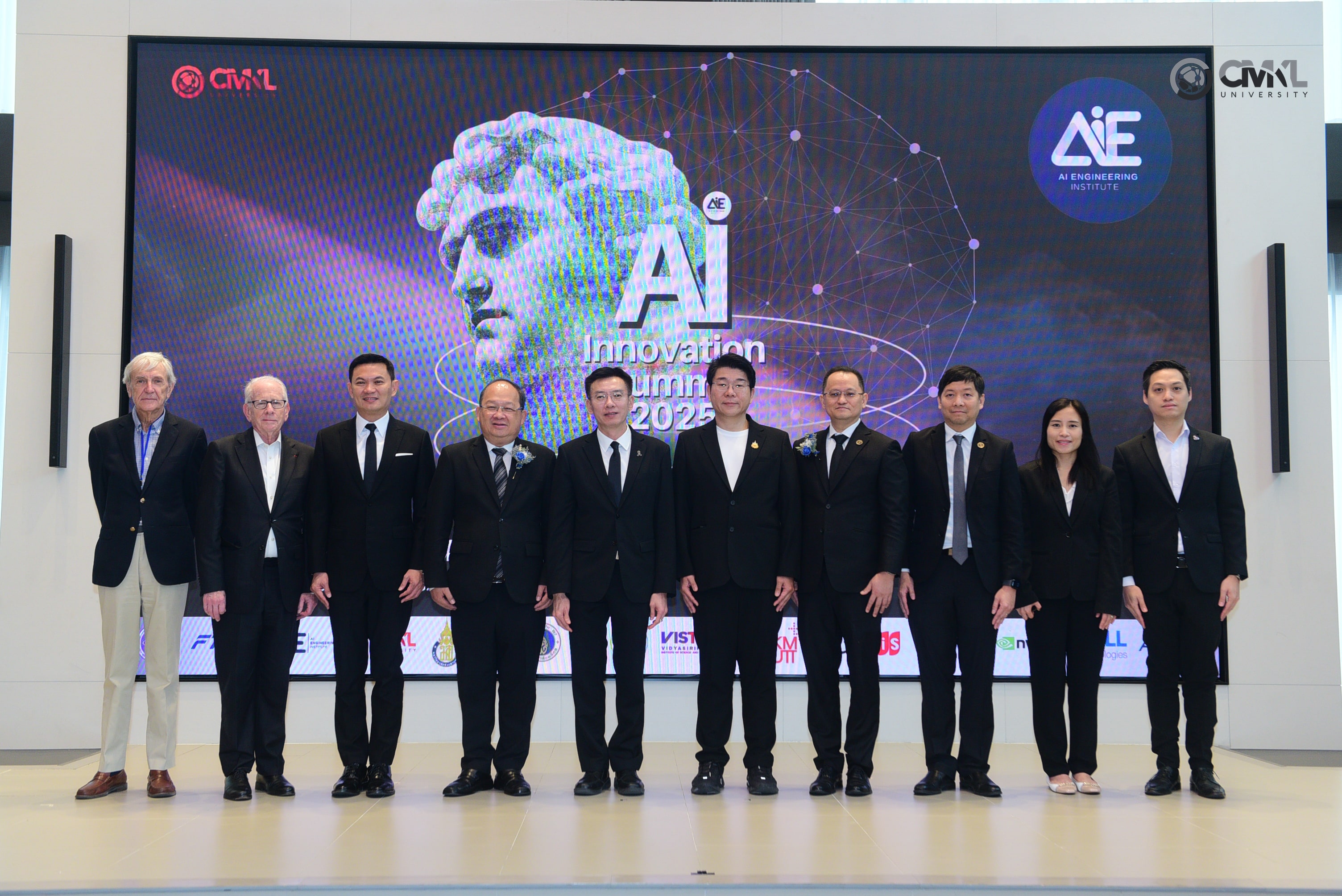
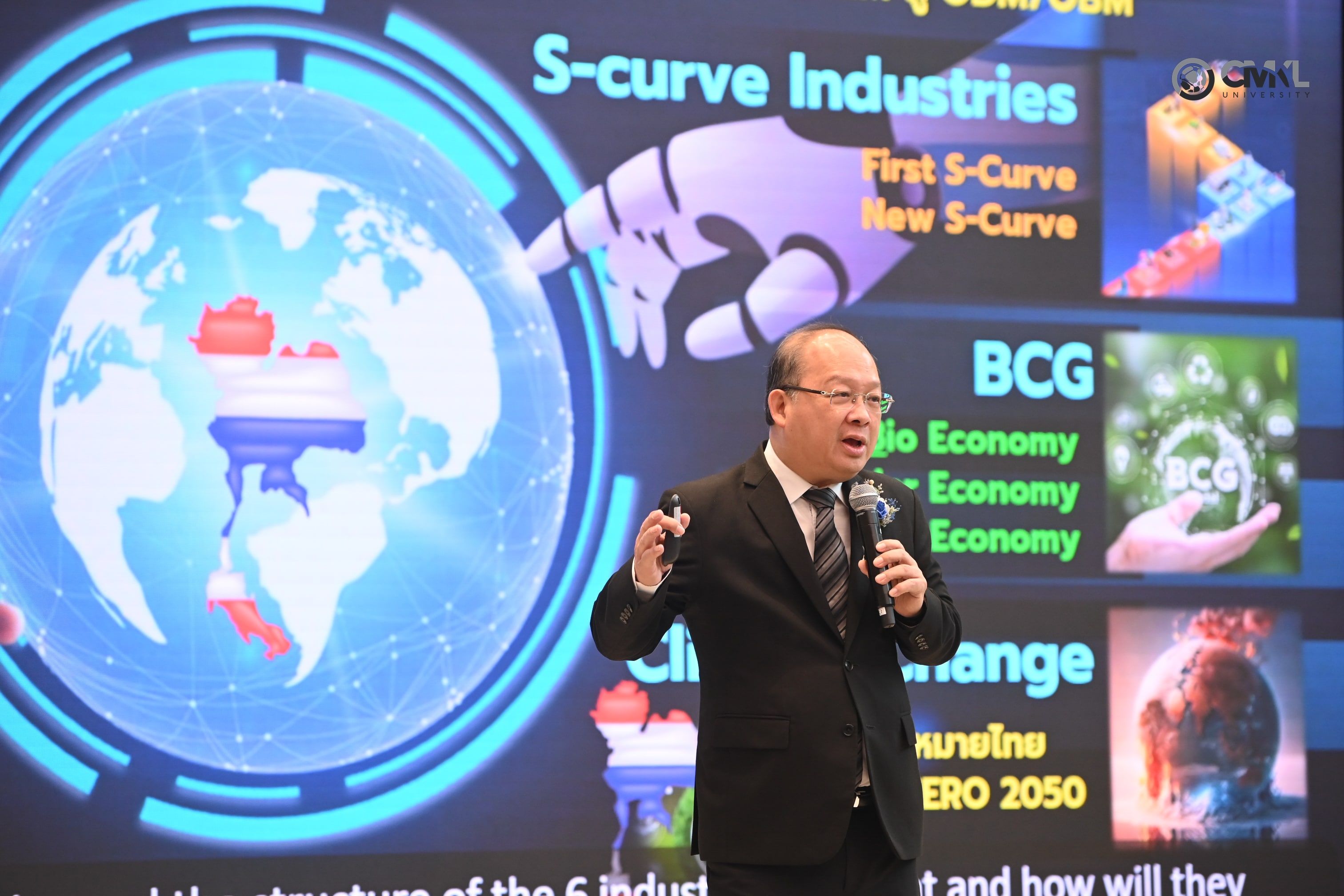
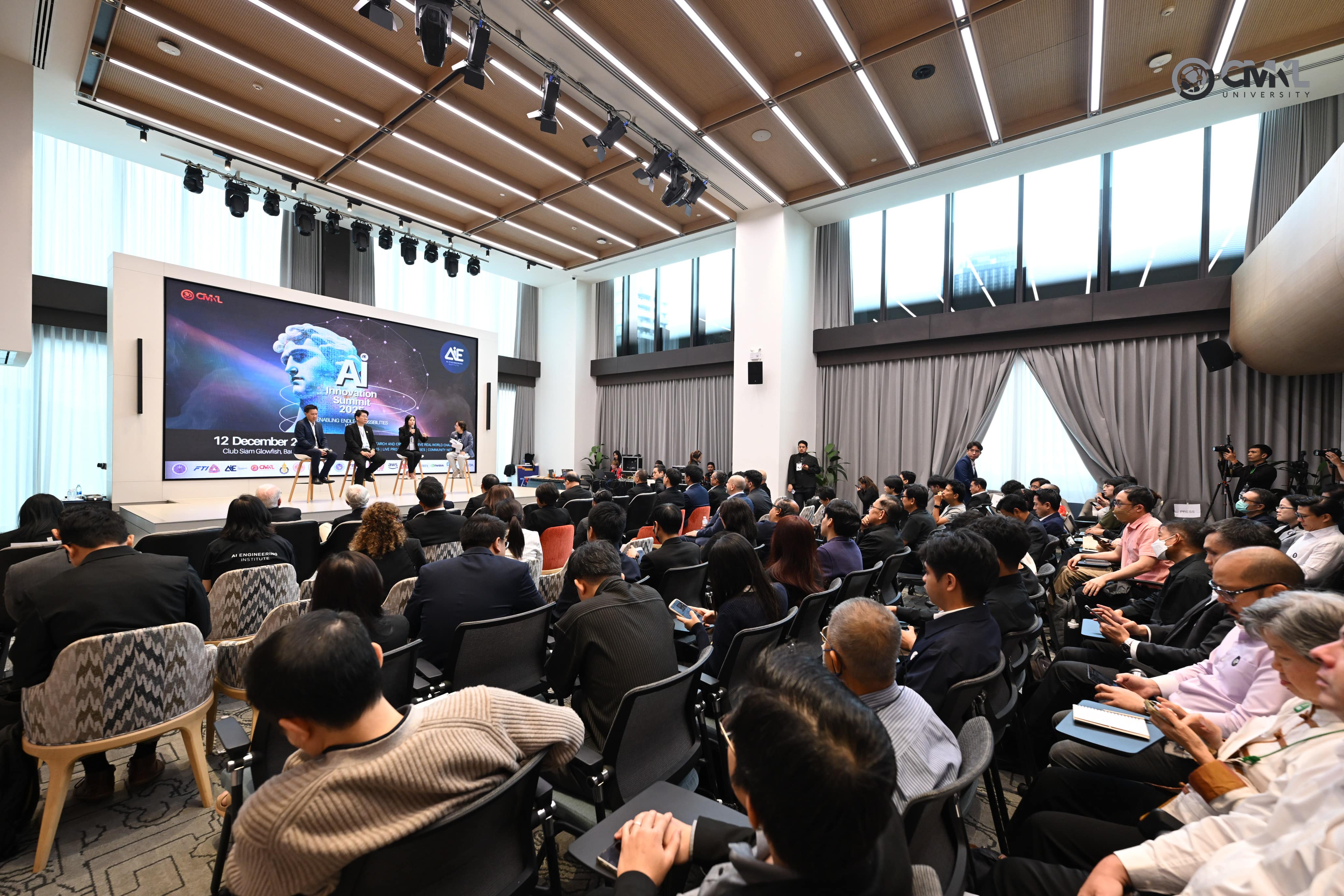
The AI Engineering Institute (AIEI) and CMKL University convened the AI Innovation Summit 2025 on 12 December 2025 at Club Siam Glowfish, Bangkok, bringing together more than 800 participants from across Thailand’s AI ecosystem.
Held under the theme “Enabling Endless Possibilities with AI,” the summit served as a national platform for dialogue, collaboration, and implementation across government, industry, global academia, investors, startups, creators, and young innovators. The event focused on how Thailand can build an AI future that is competitive, responsible, and grounded in human potential.
For CMKL University, Thailand’s No.1 AI & Innovation University, the summit reflected its broader mission to connect AI education, research, entrepreneurship, and industry collaboration with real-world impact. Through AIEI, CMKL continues to support the development of Thailand’s AI ecosystem by creating spaces where policy, talent, technology, and implementation can move forward together.
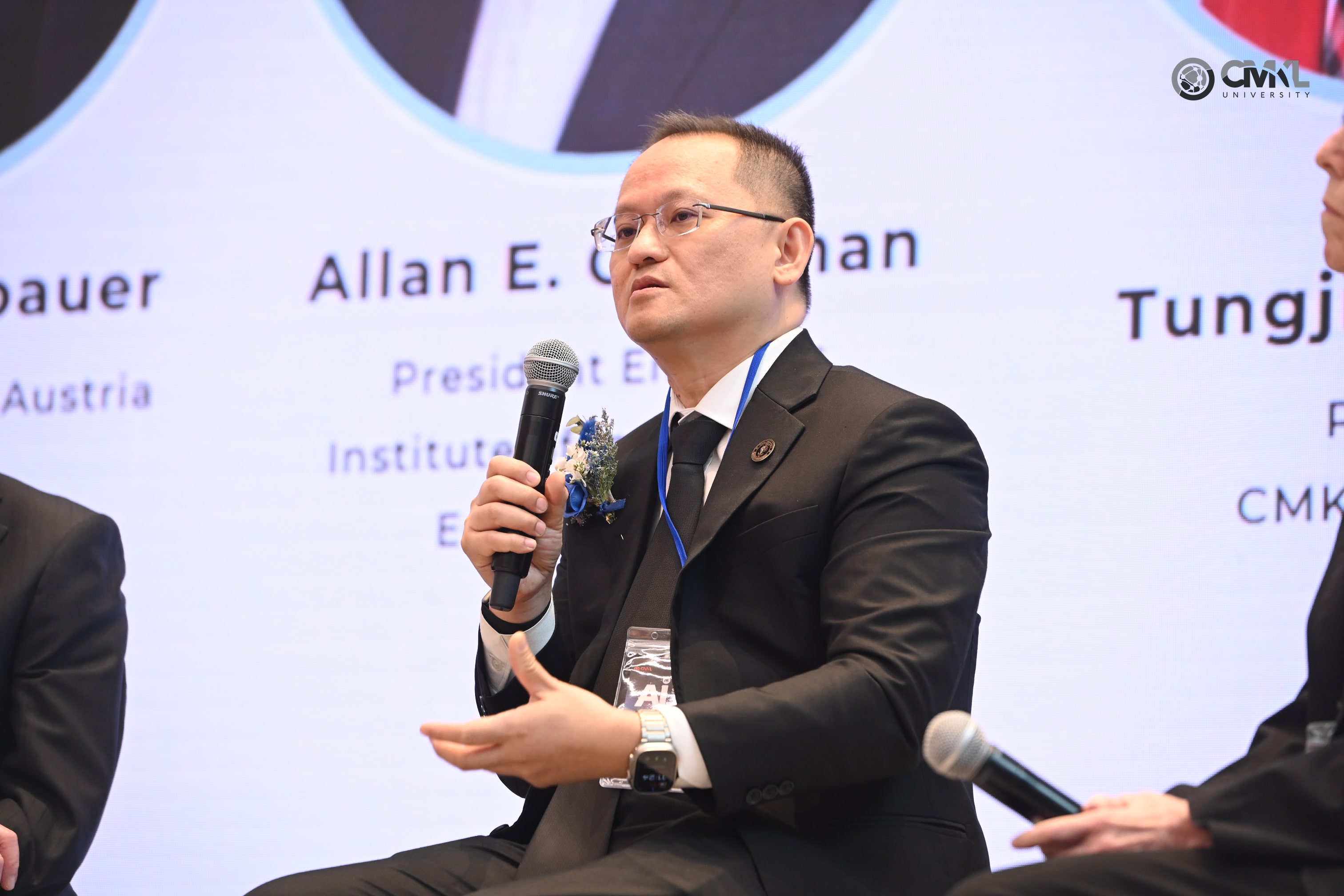
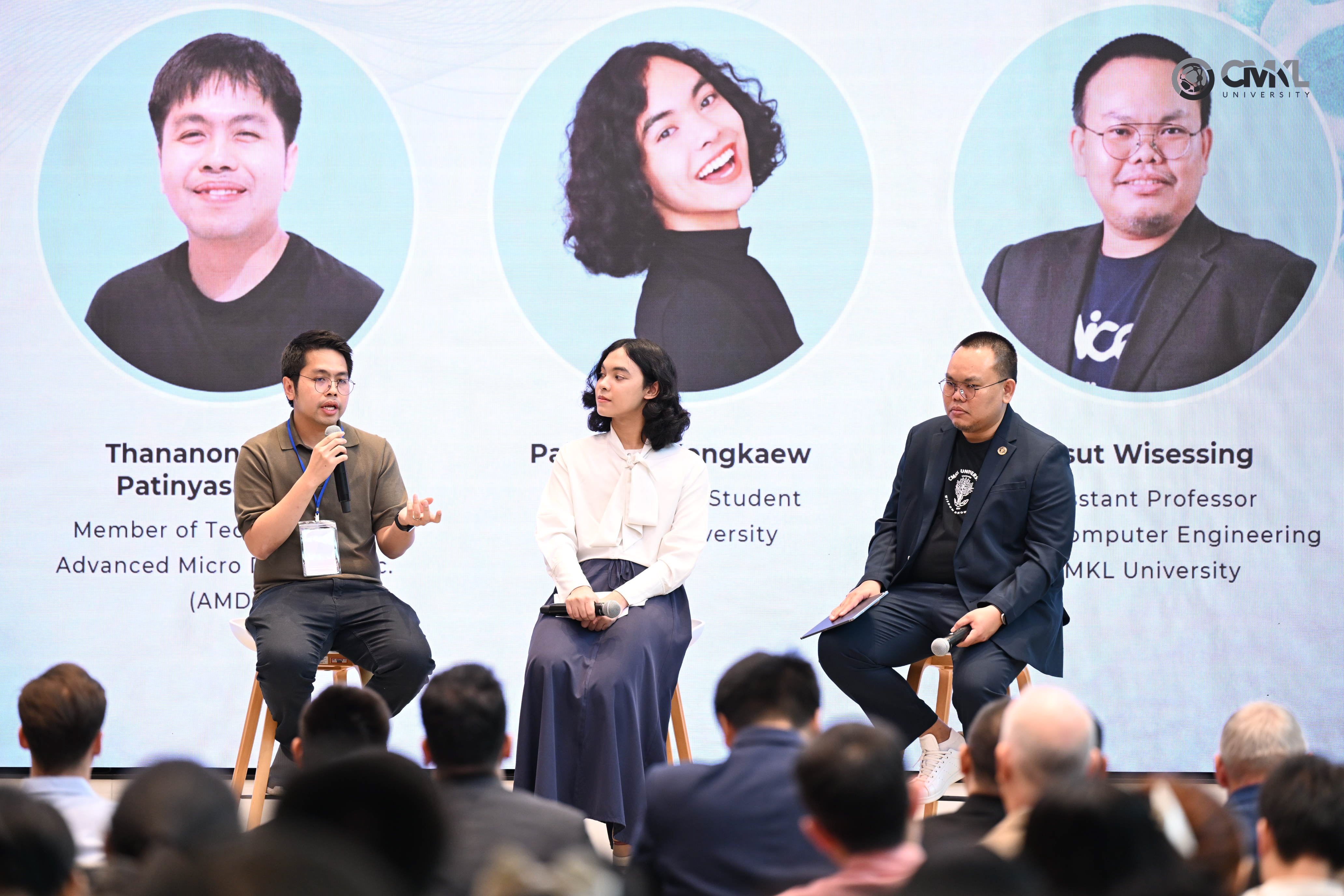
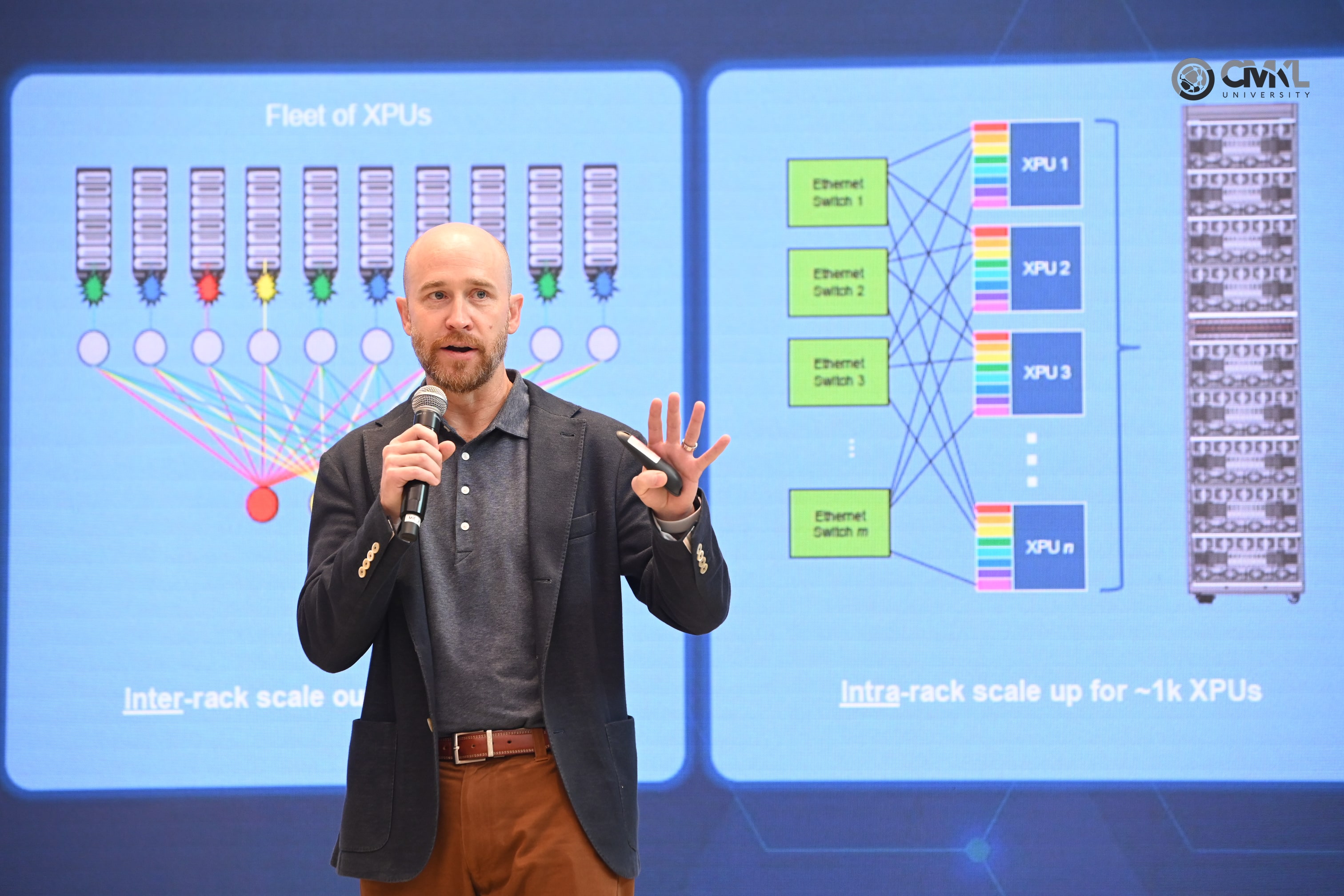
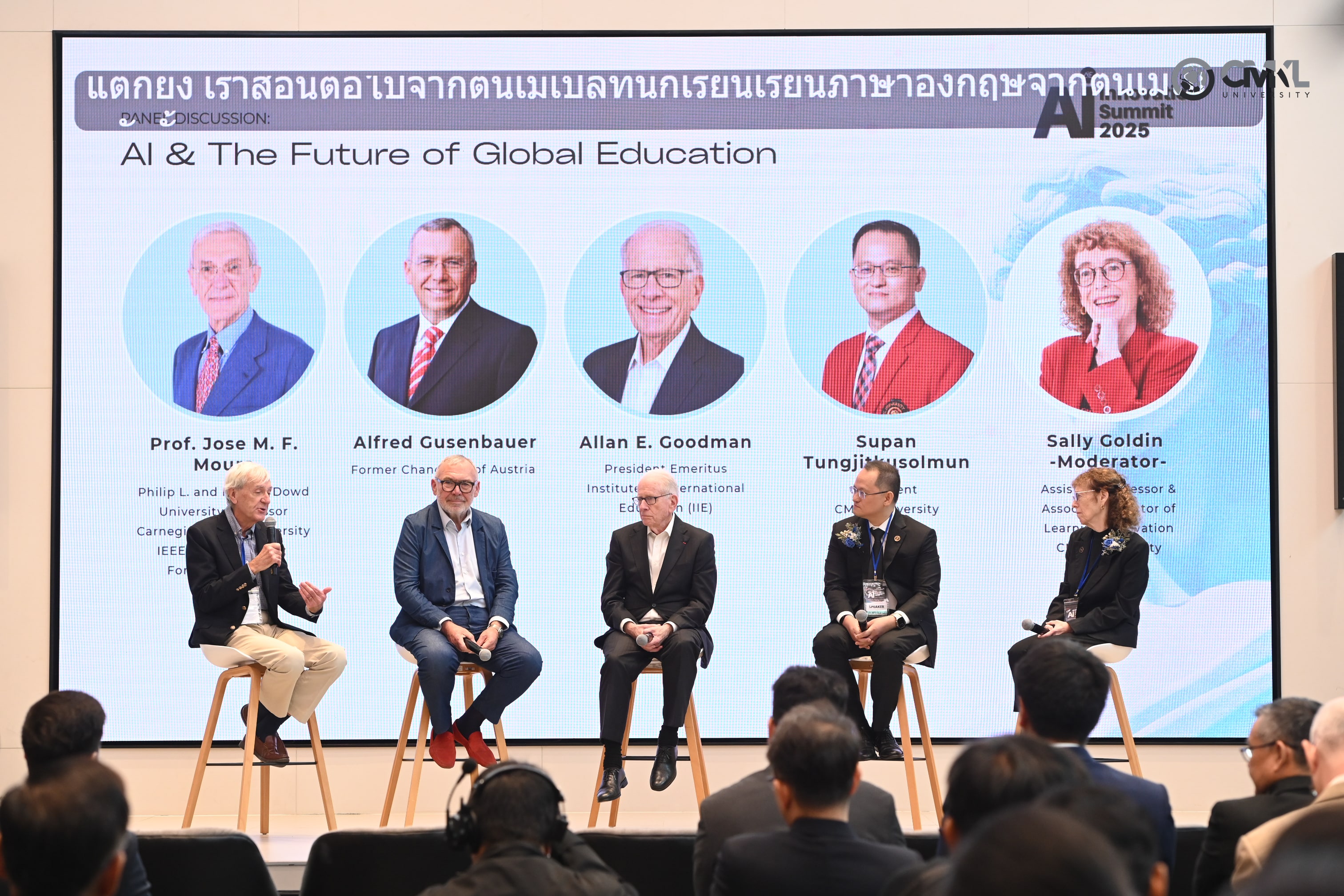
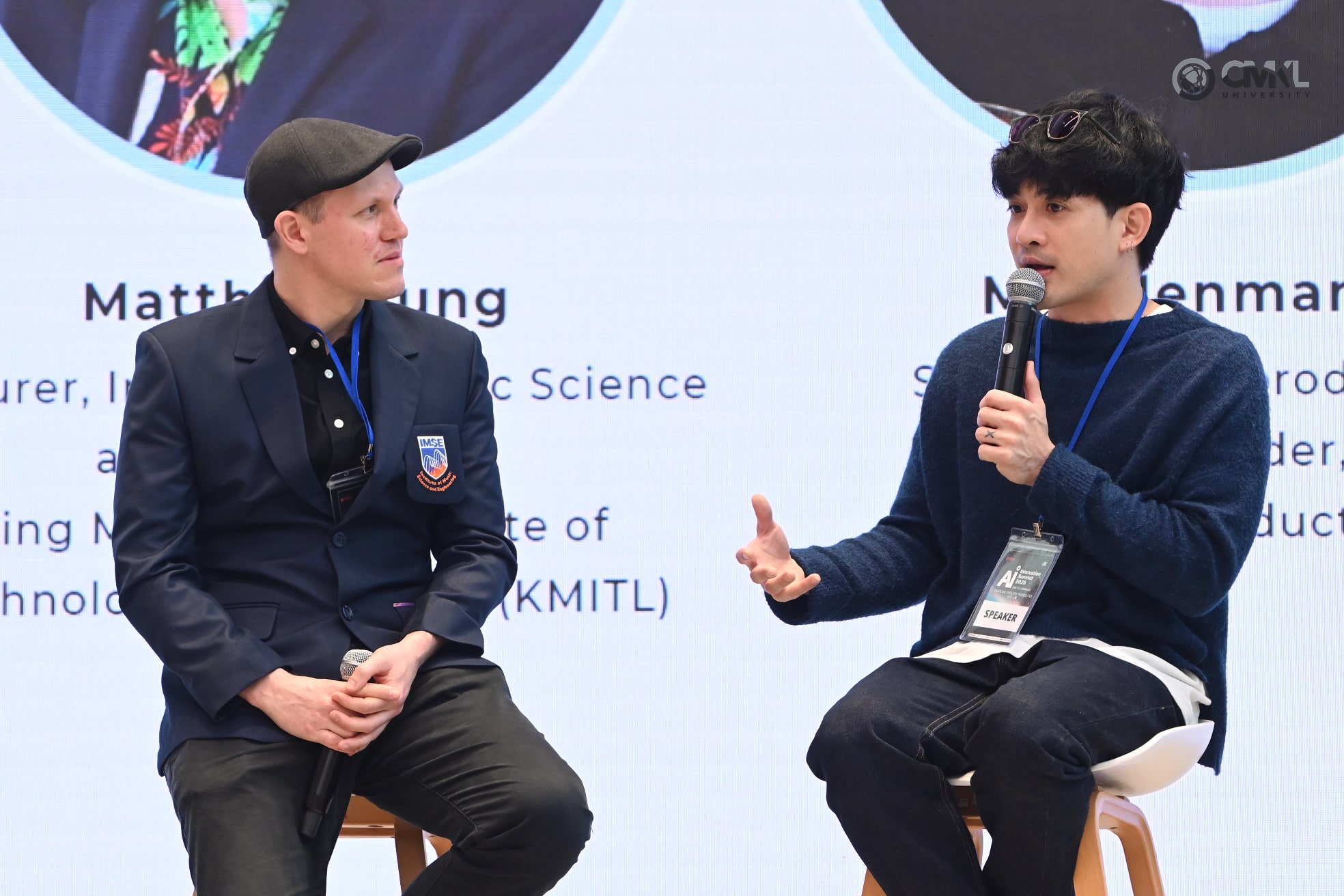
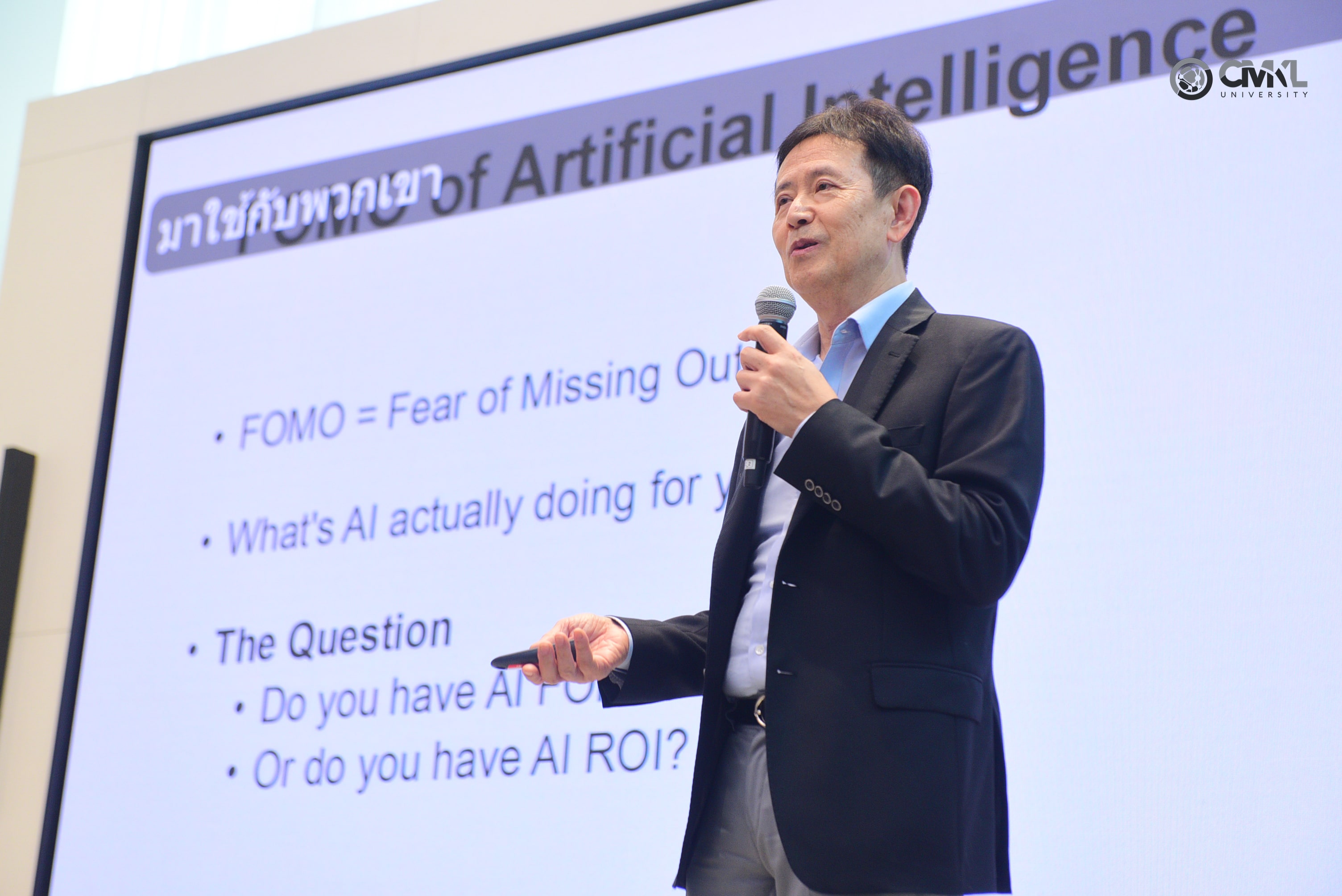
Key discussions throughout the summit addressed the need to connect national AI policy with practical deployment. Speakers and participants explored how AI can be applied across critical sectors, including healthcare, security, cloud infrastructure, sustainability, and creative industries. These conversations highlighted the importance of building not only advanced AI systems, but also the human capabilities, governance structures, and collaborative networks needed to use AI responsibly.
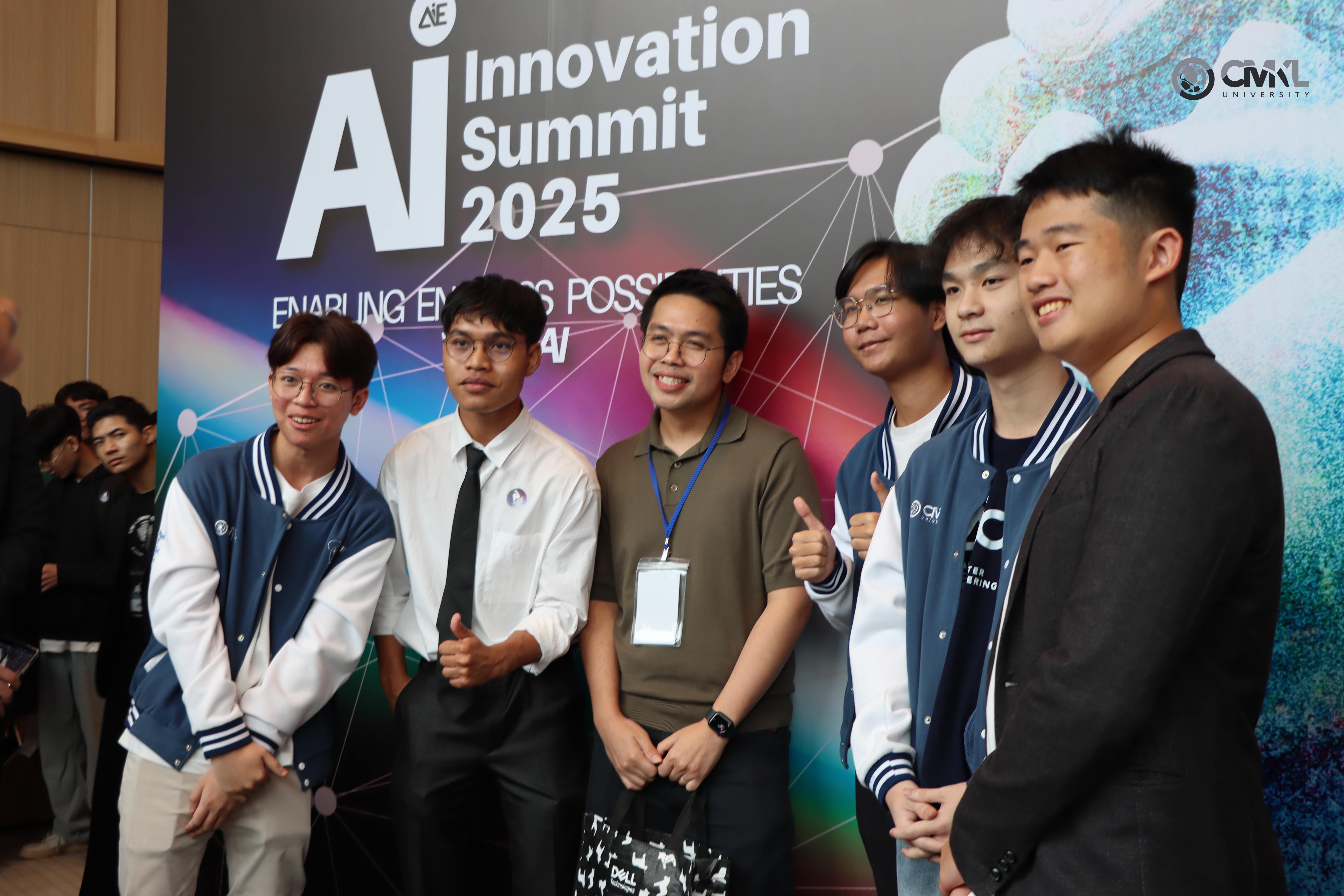
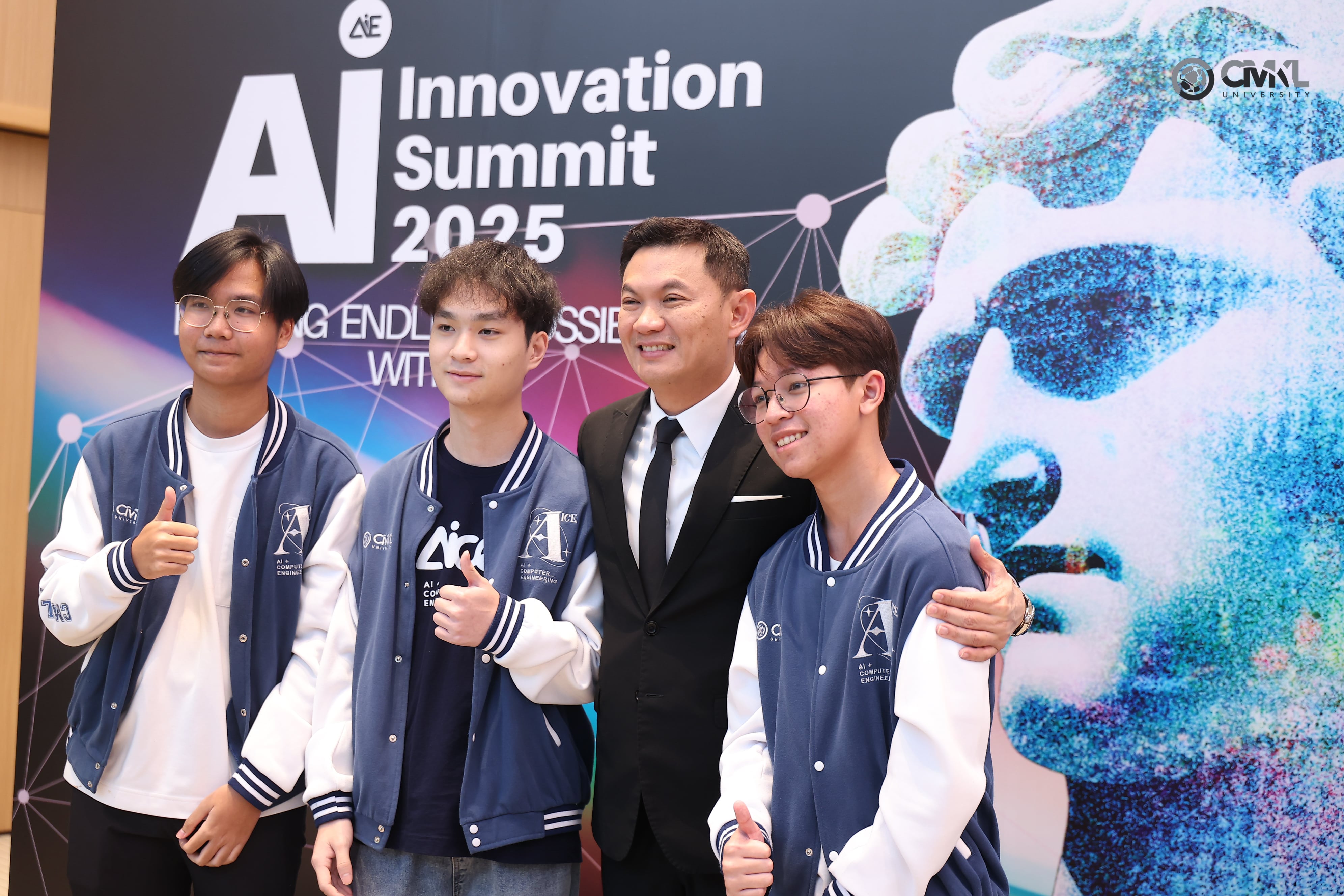
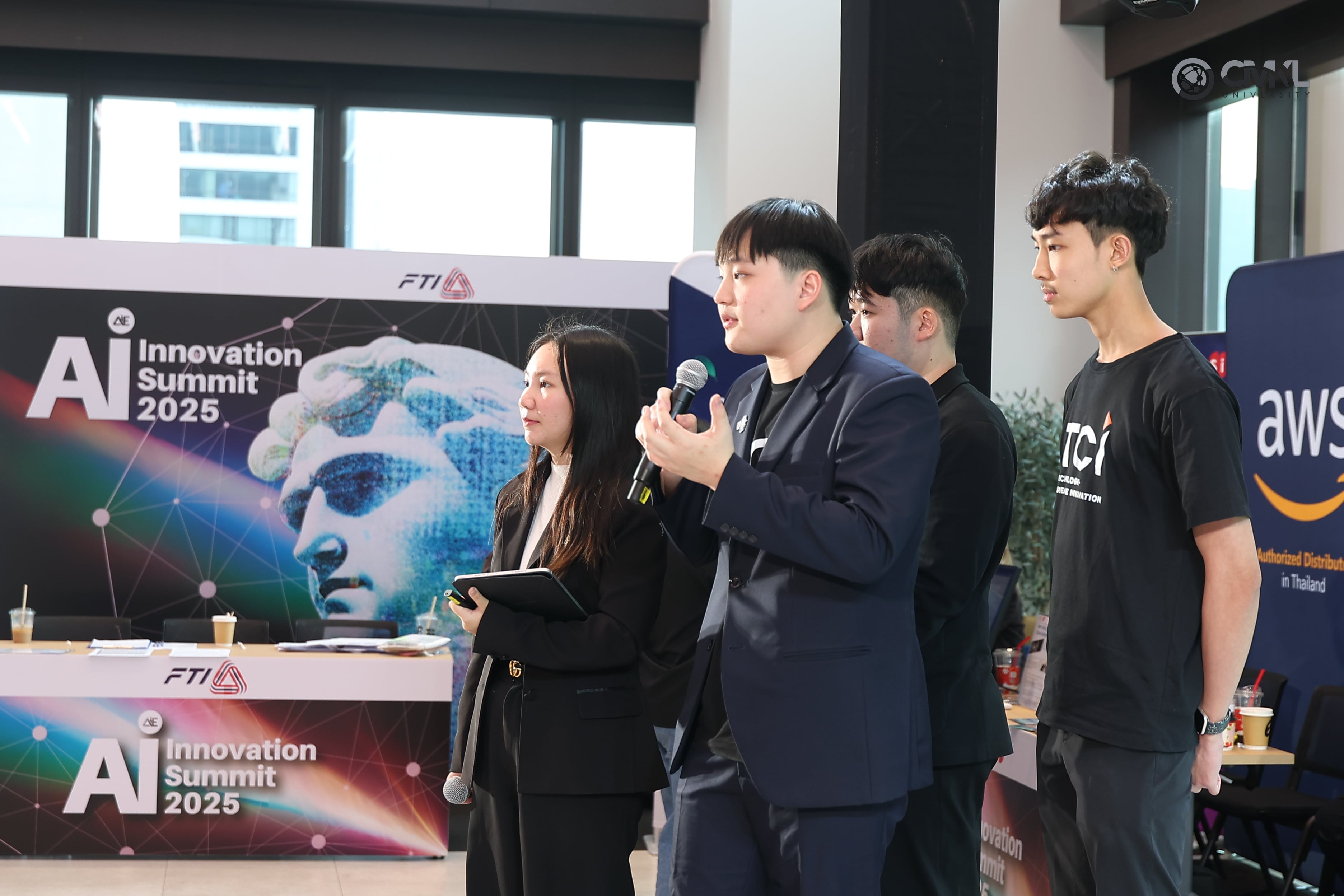
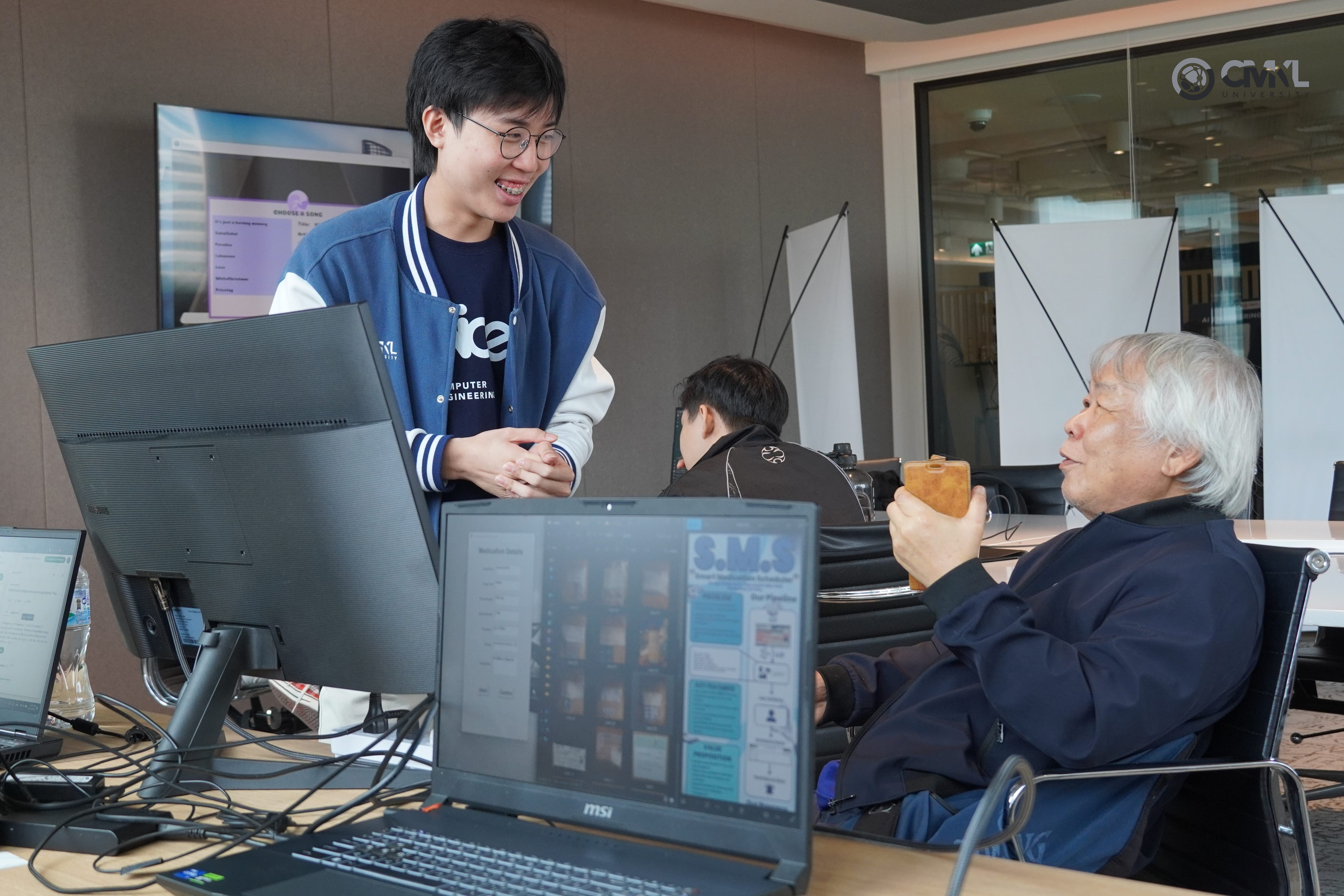
The summit also placed strong emphasis on talent development. The AI Innovator Award Finals showcased young builders developing AI solutions with practical relevance, while Bangkok Demo Day featured real projects, founders, and emerging ventures working to translate ideas into deployable products and services.
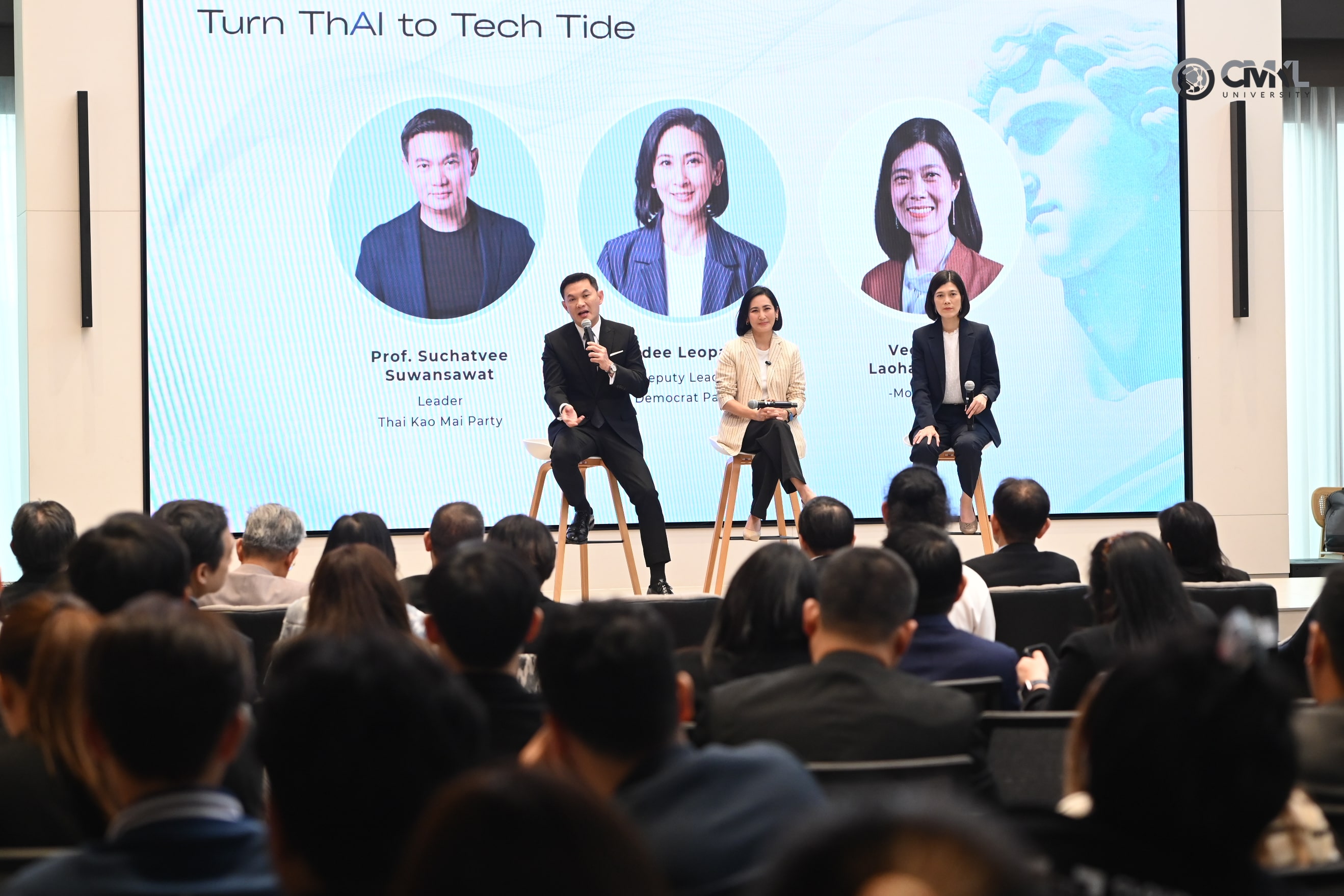
A major highlight was the cross-party vision session, “Turn Thai to Tech Tide,” which brought together perspectives on how Thailand can strengthen its position in the global technology landscape. The session underscored the role of collaboration across sectors in shaping a more resilient and innovation-driven economy.
During the summit, AIEI and CMKL also introduced major initiatives designed to support AI readiness and capability development in Thailand, including the AI Standard Test (AST), AI Literacy Certificate, and AI Engineer Certificate. These initiatives aim to provide clearer pathways for individuals, institutions, and organizations to assess, develop, and recognize AI-related competencies.
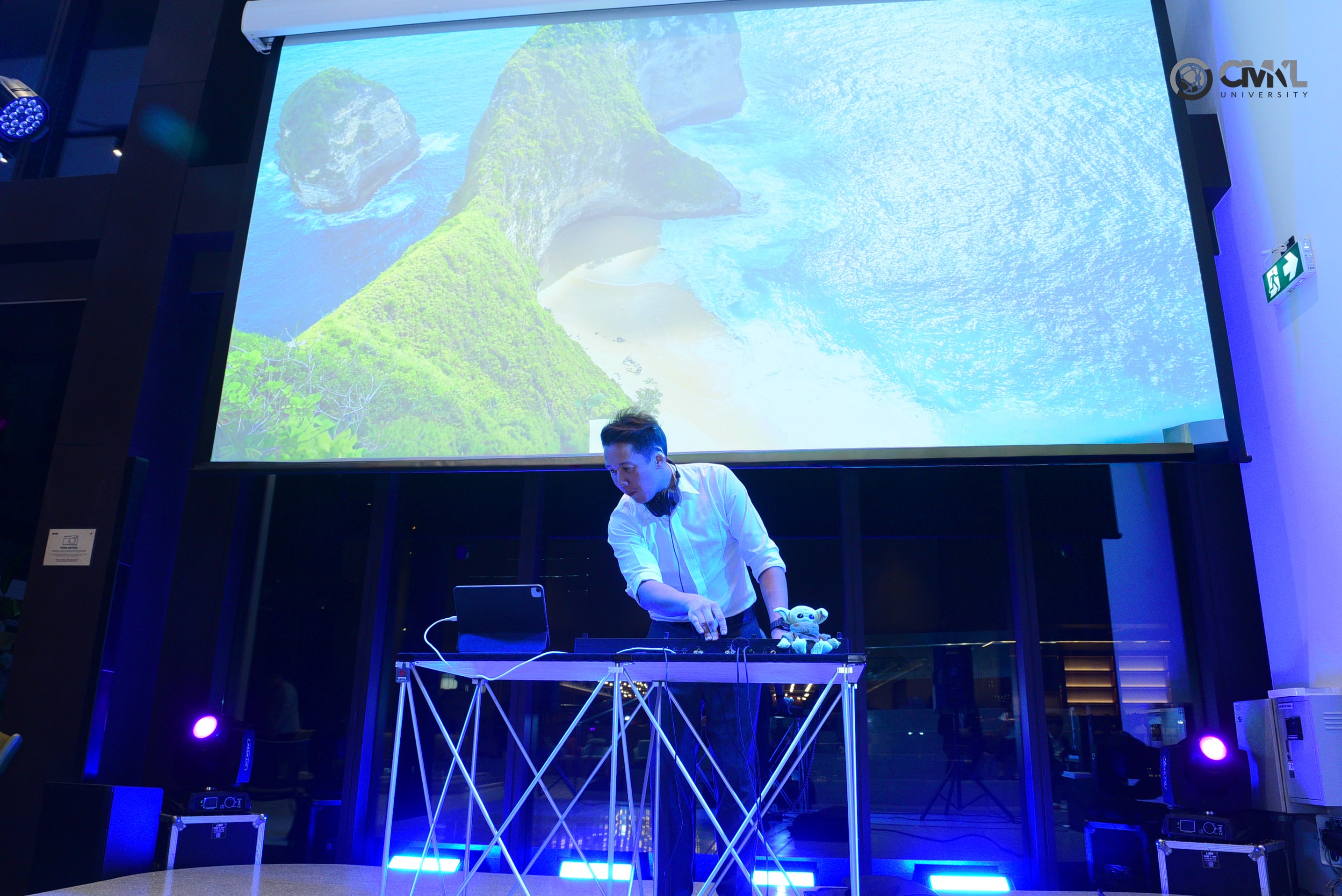
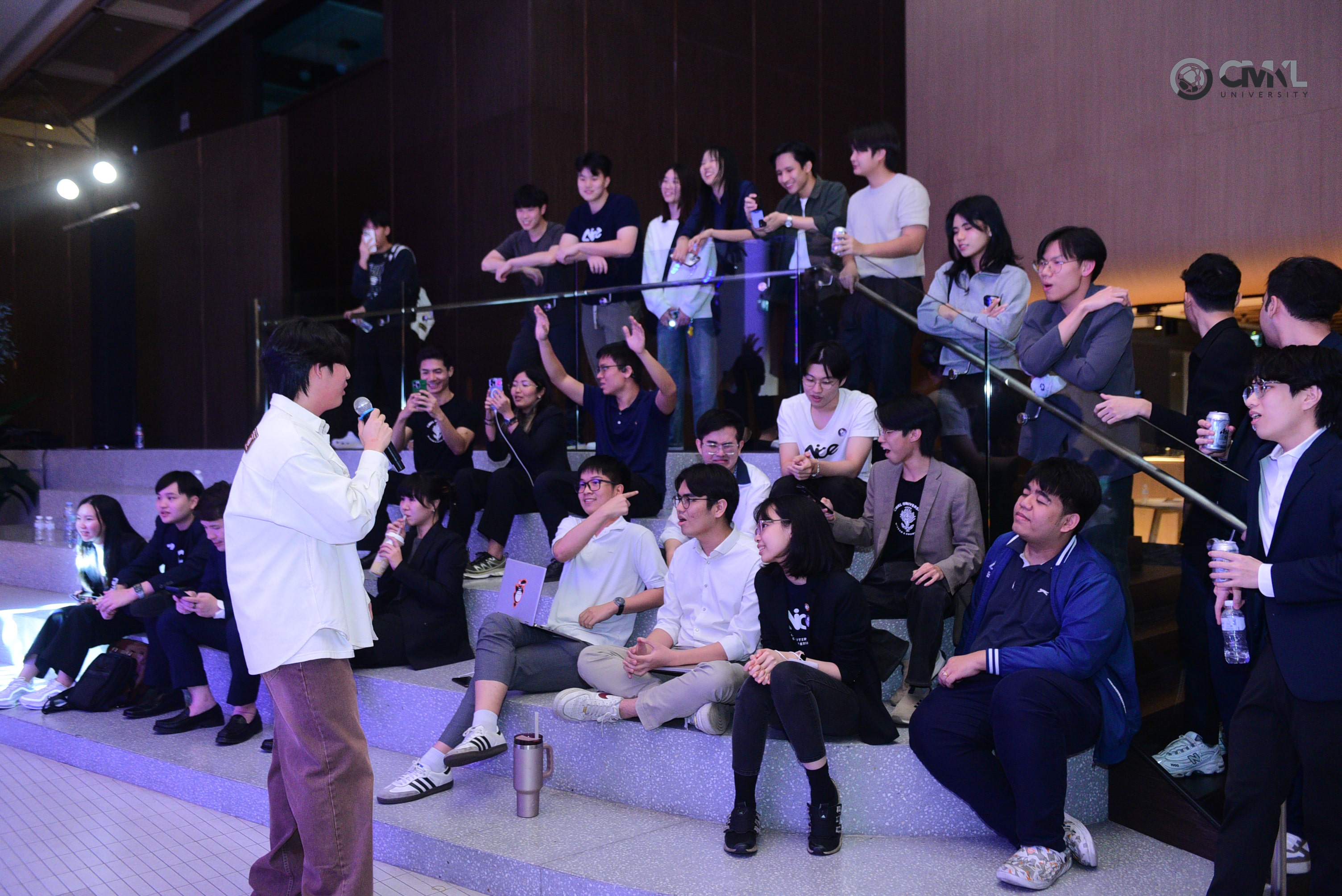
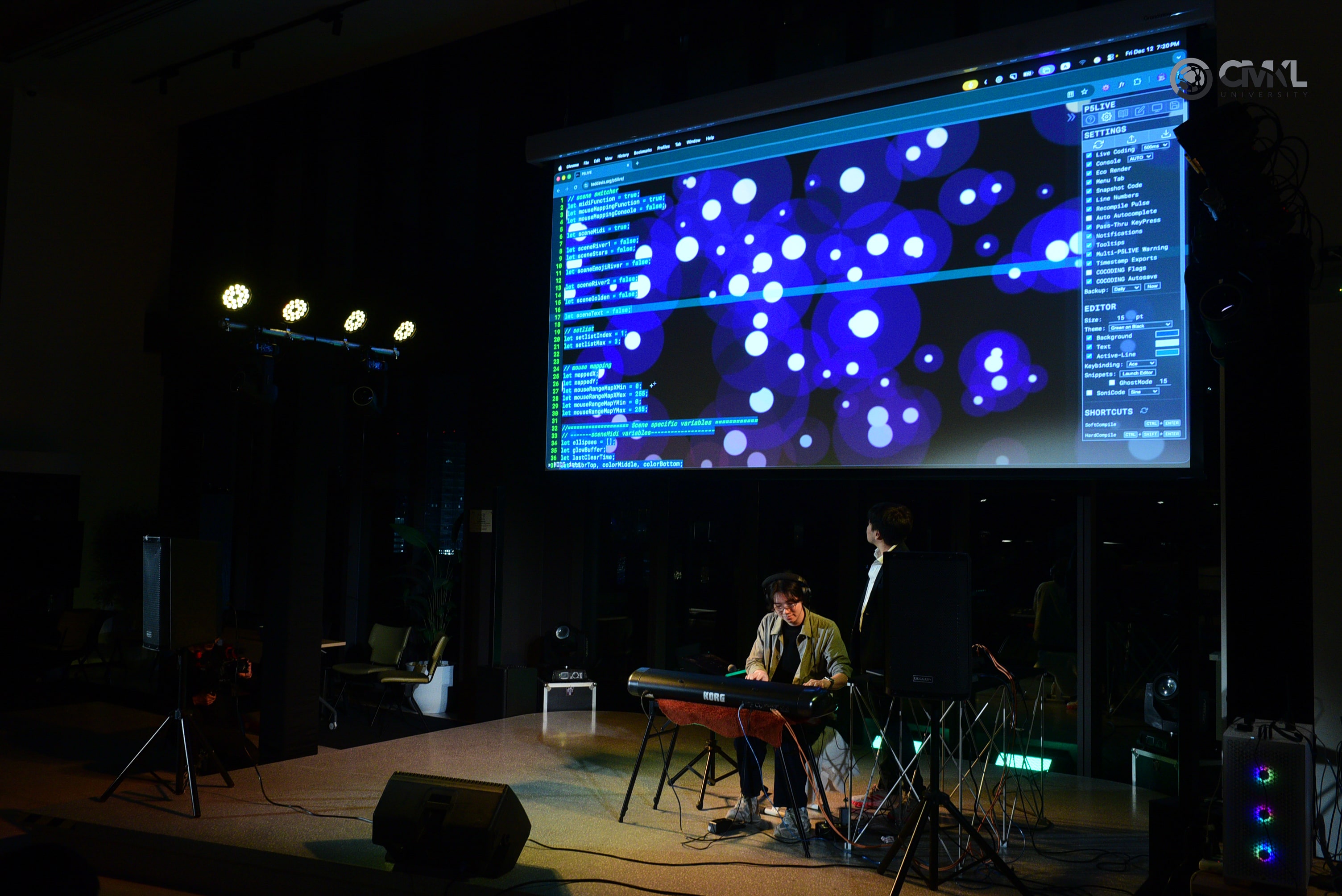
The day concluded with the Tech Meetup & Networking Night, creating space for participants to continue conversations, form connections, and explore future collaboration. The closing session reflected the summit’s central message: Thailand’s AI future will depend not only on technology, but also on the strength of the ecosystem built around it.
AIEI and CMKL University extend their appreciation to all speakers, partners, sponsors, judges, volunteers, participating teams, and attendees who contributed to the summit’s success.
As Thailand enters its next phase of AI development, AI Innovation Summit 2025 demonstrated the importance of aligning education, research, policy, industry, and entrepreneurship. Through continued collaboration, CMKL and AIEI aim to help build the talent, infrastructure, and innovation capacity needed for AI to create meaningful impact for Thailand and society.
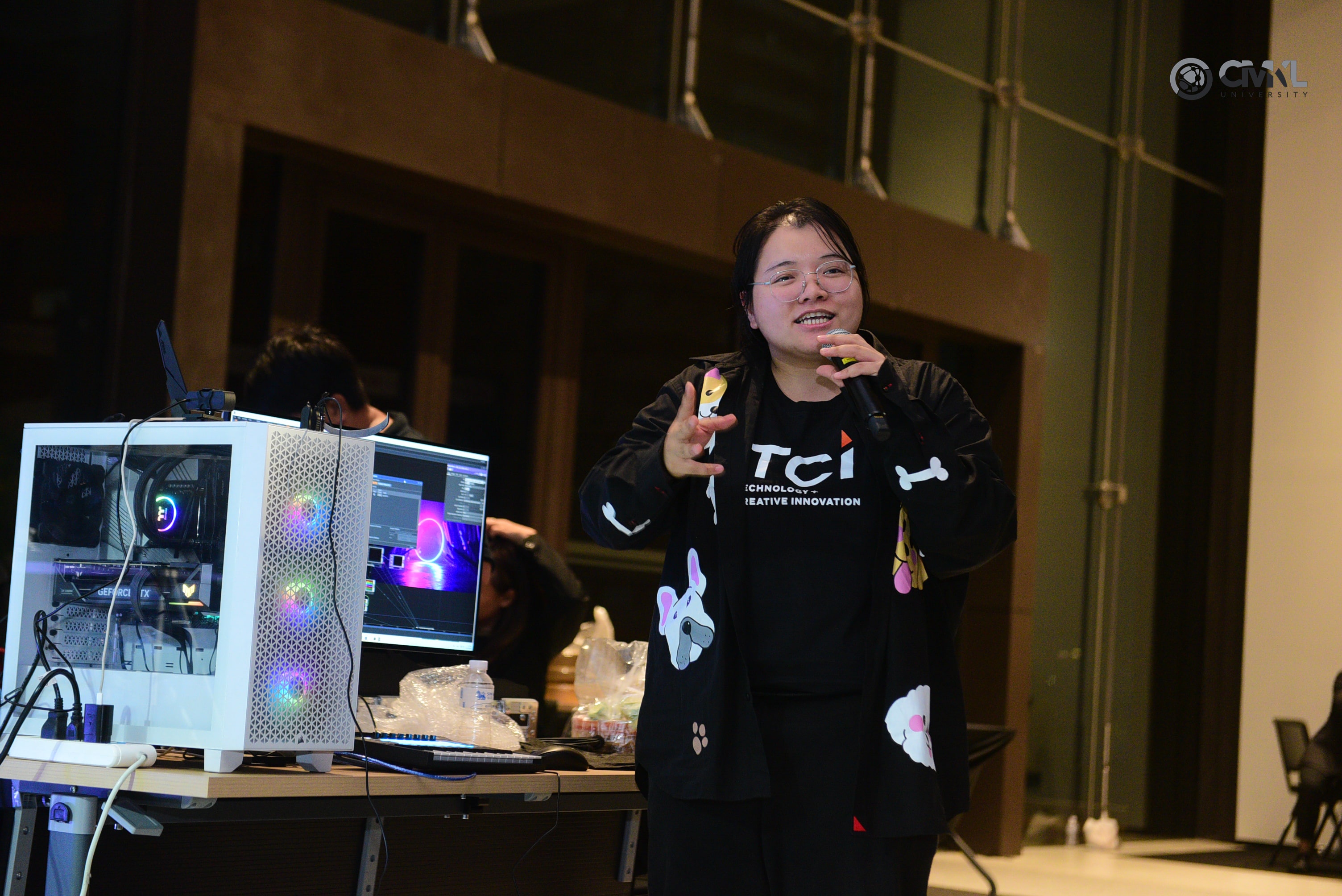


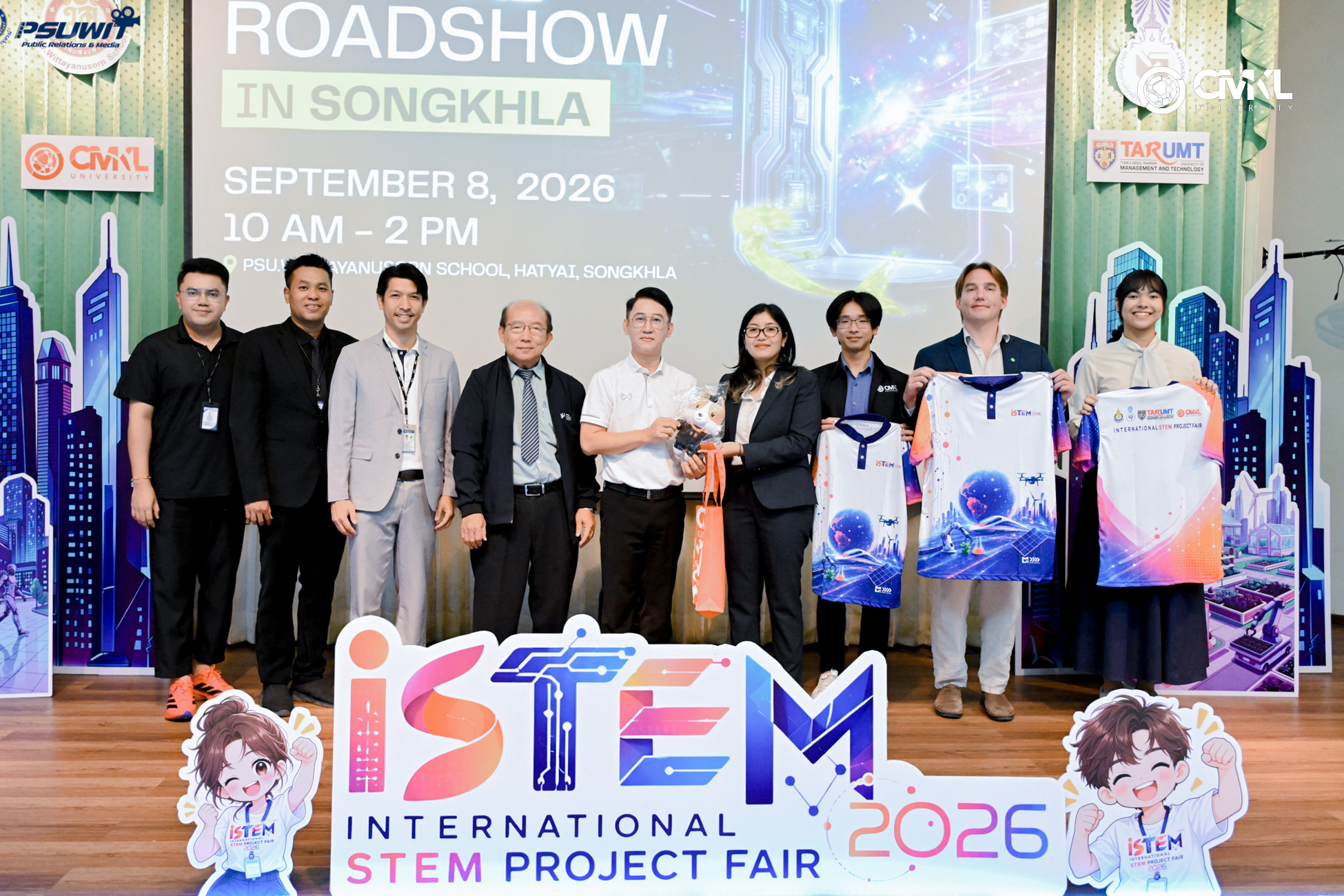
CMKL University recently brought its AI Roadshow to PSU Wittayanusorn School in Songkhla, offering high school students a day of immersive AI workshops led by world-class faculty and research team members. The event aimed to equip the next generation of tech leaders with practical skills and career insights.
Read more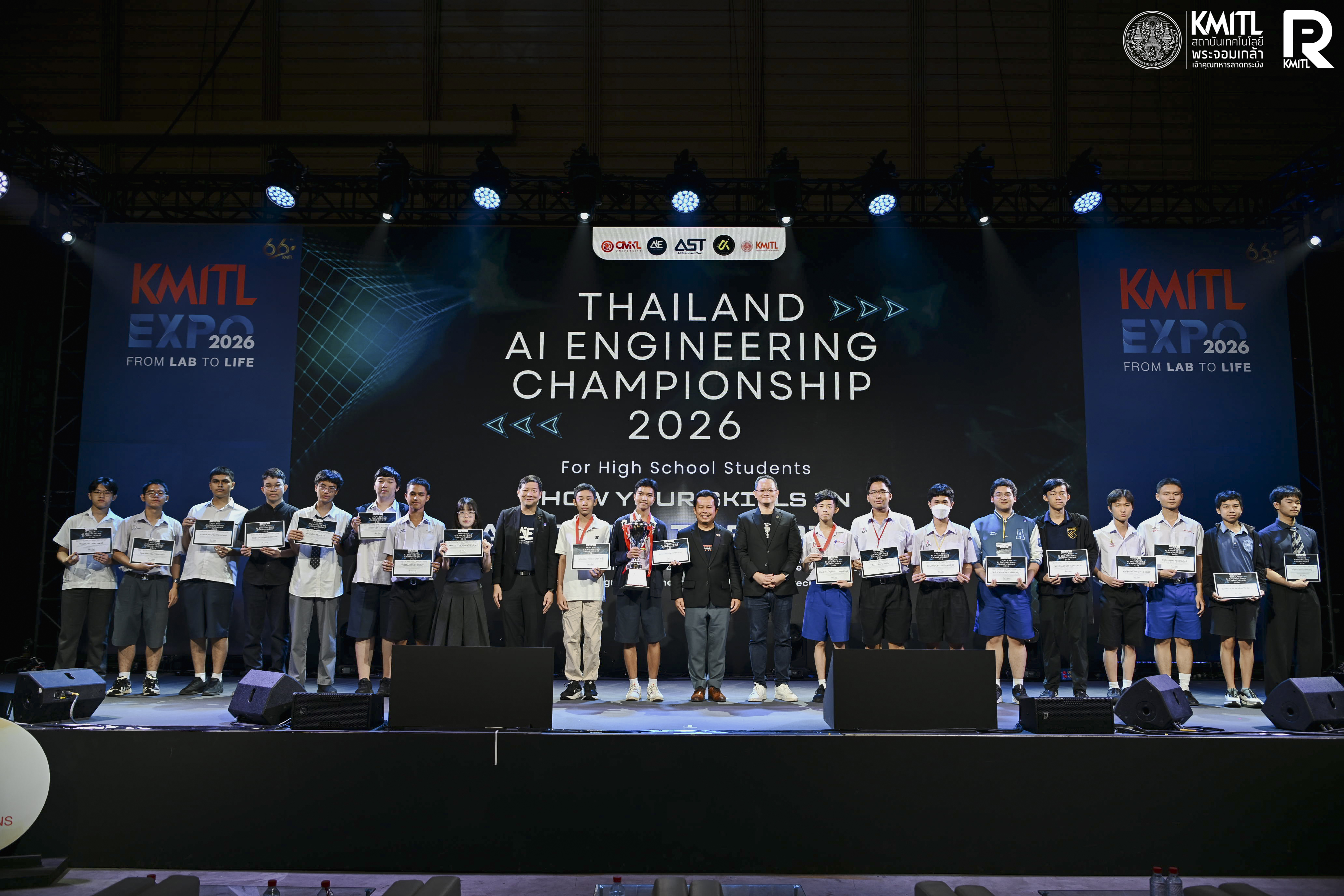
Thailand AI Engineering Championship (TAIEC) 2026, hosted by CMKL University and the AI Engineering Institute, brought together high school students from across Thailand to test their skills in AI, programming, problem-solving, and system design through a national-level competition.
Read more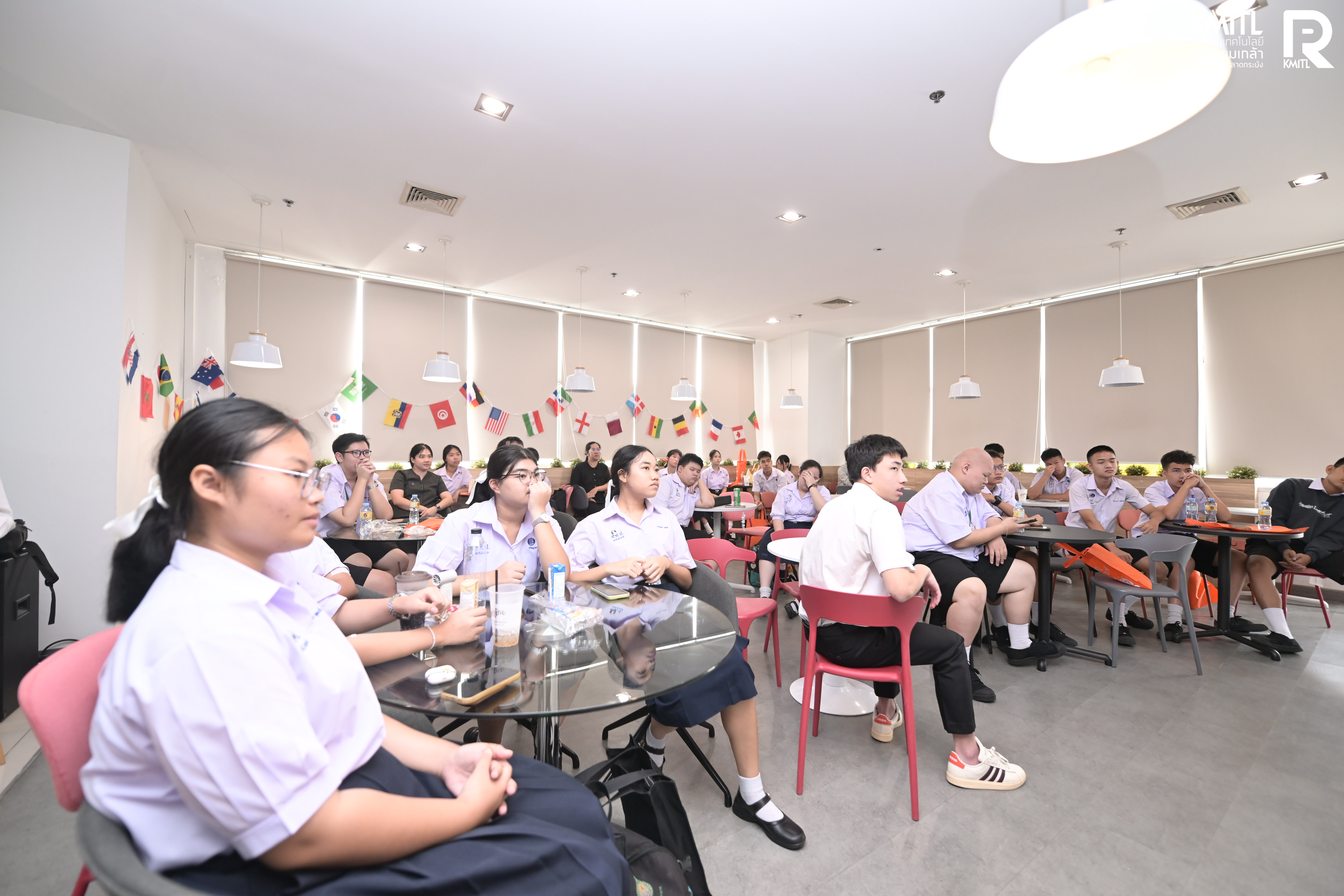
CMKL Open Days 2026 welcomed students, parents, and visitors to campus for a closer look at the university, its academic programs, student experience, and approach to AI education.
Read more