

CMKL Student Team Wins AIS Jump Hackathon 2025 with PathSense Innovation
Bangkok, Thailand – PathSense, an innovative AI-powered navigation aid for the visually impaired developed by students from CMKL University, has claimed victory at the prestigious AIS Jump Hackathon 2025. The win highlights the ingenuity of the student team and the potential of their technology to significantly improve accessibility.
This groundbreaking project is the result of dedicated work by second-year Artificial Intelligence and Computer Engineering (AiCE) students: Jira Pitakwong, Sirichada Wattanasiritanawong, Chawin Luangtumrongjareon, Natthanon Prajogo, and Phakin Dhamsirimongkol.
AI-Powered Solution Addresses Navigation Gaps
PathSense was conceived to overcome the limitations of traditional white canes, which cannot detect overhead obstacles or differentiate object types. The device uses a camera, attachable to a user's bag, to capture environmental images. An AI system processes these images in real-time to identify potential hazards, delivering audio descriptions and alerts via a connected mobile application. The team has focused on creating an affordable yet highly functional solution to promote inclusive accessibility.
Journey to Victory: From Classroom to Competition
The PathSense project began during the team's freshman year as part of the compulsory Undergraduate R&D (URD) curriculum in CMKL’s AiCE Program. Continuous development and refinement, driven by the goal of creating a practical, real-world solution, culminated in their successful participation and ultimate win at the AIS Jump Hackathon 2025.


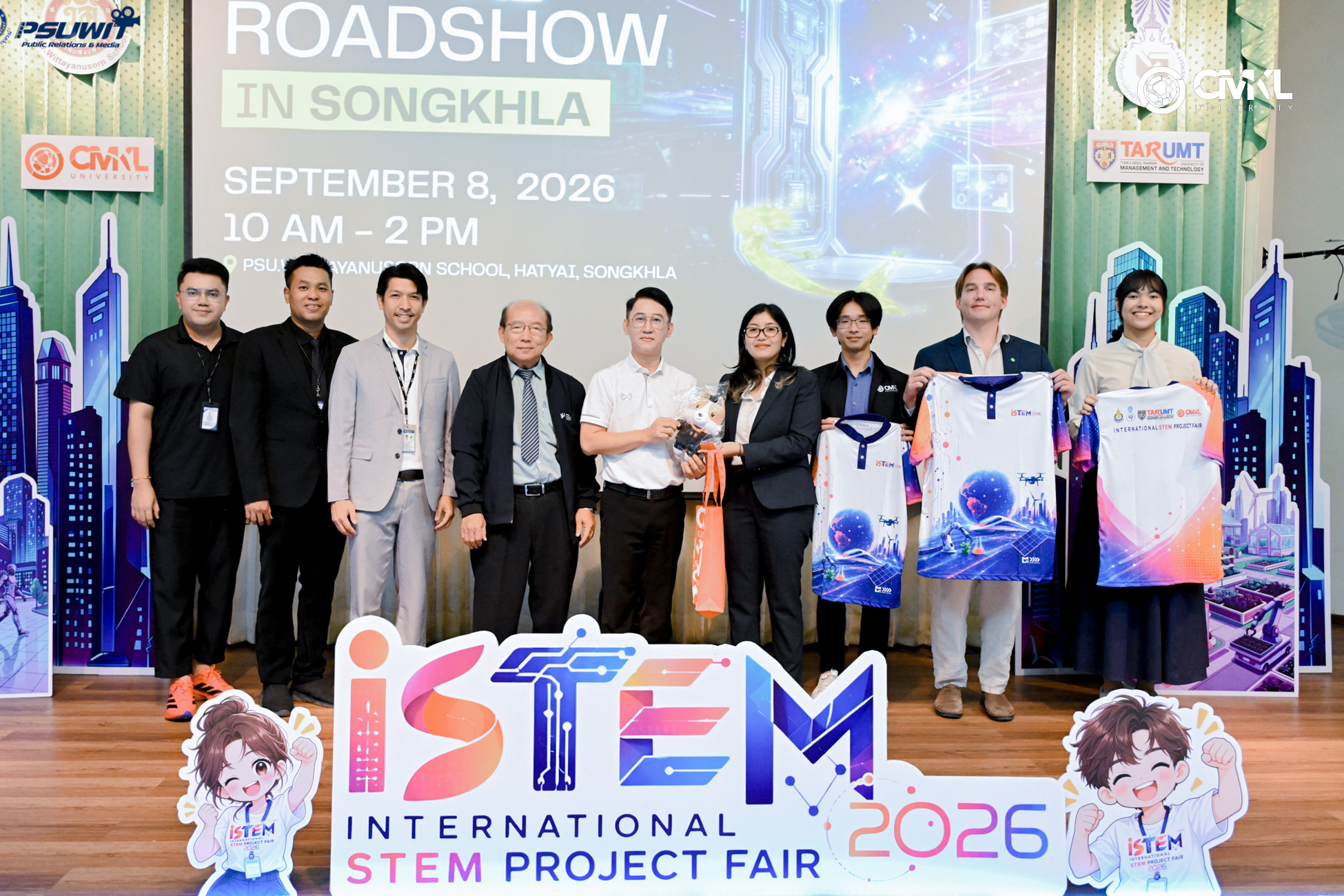
CMKL University recently brought its AI Roadshow to PSU Wittayanusorn School in Songkhla, offering high school students a day of immersive AI workshops led by world-class faculty and research team members. The event aimed to equip the next generation of tech leaders with practical skills and career insights.
Read more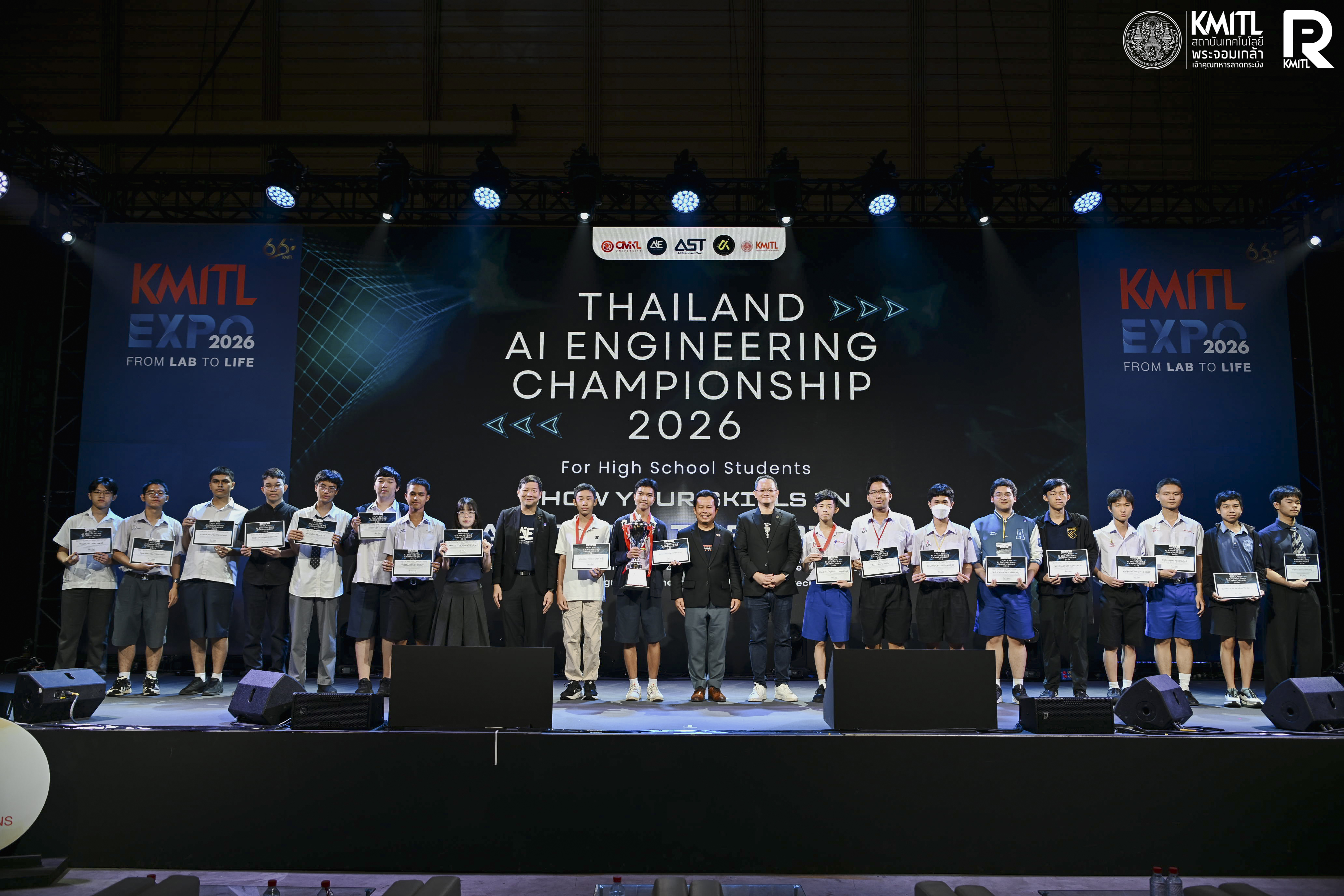
Thailand AI Engineering Championship (TAIEC) 2026, hosted by CMKL University and the AI Engineering Institute, brought together high school students from across Thailand to test their skills in AI, programming, problem-solving, and system design through a national-level competition.
Read more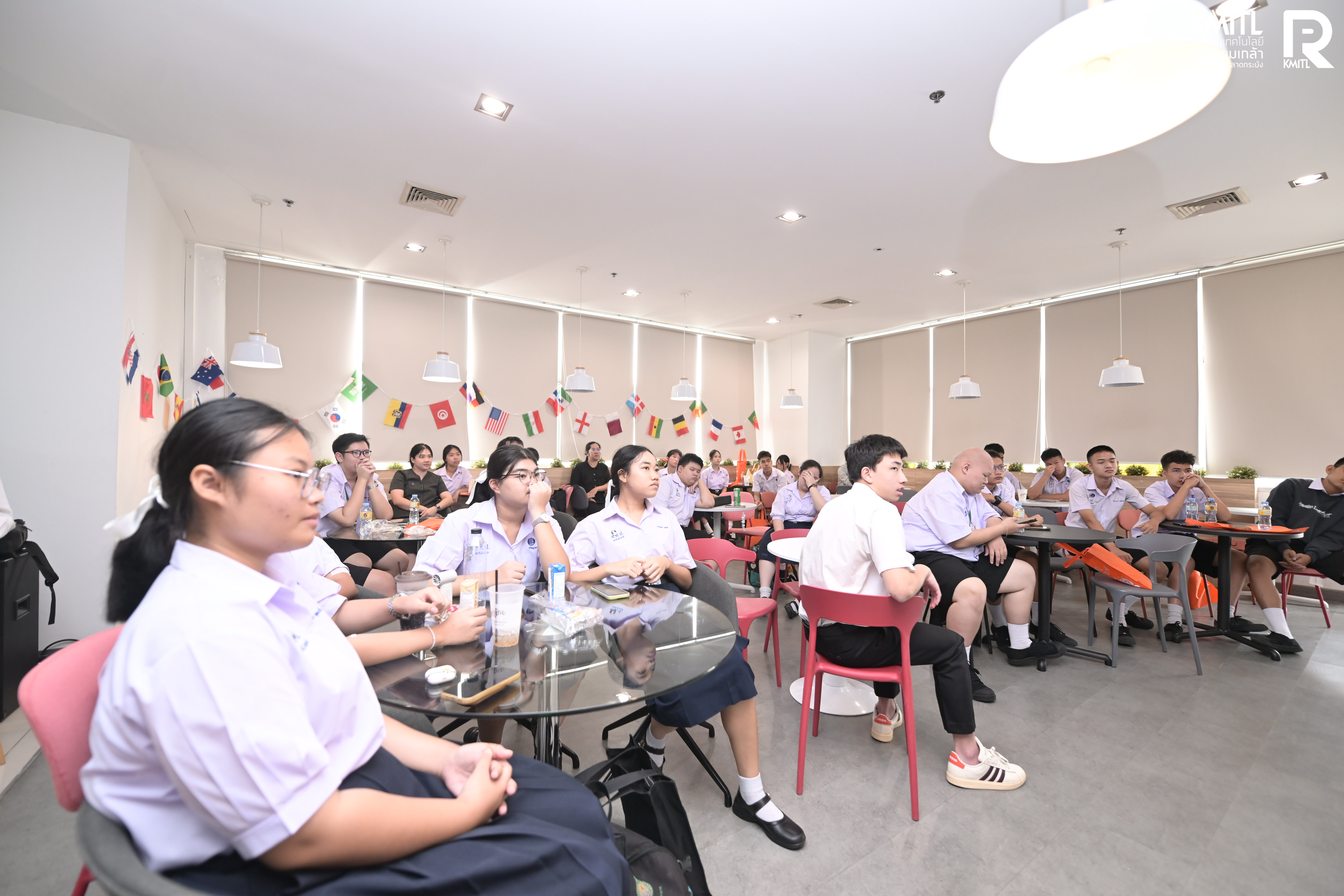
CMKL Open Days 2026 welcomed students, parents, and visitors to campus for a closer look at the university, its academic programs, student experience, and approach to AI education.
Read more