Bridging Minds and Machines: CMKL Explores Neurotechnology at AI Exploration Friday
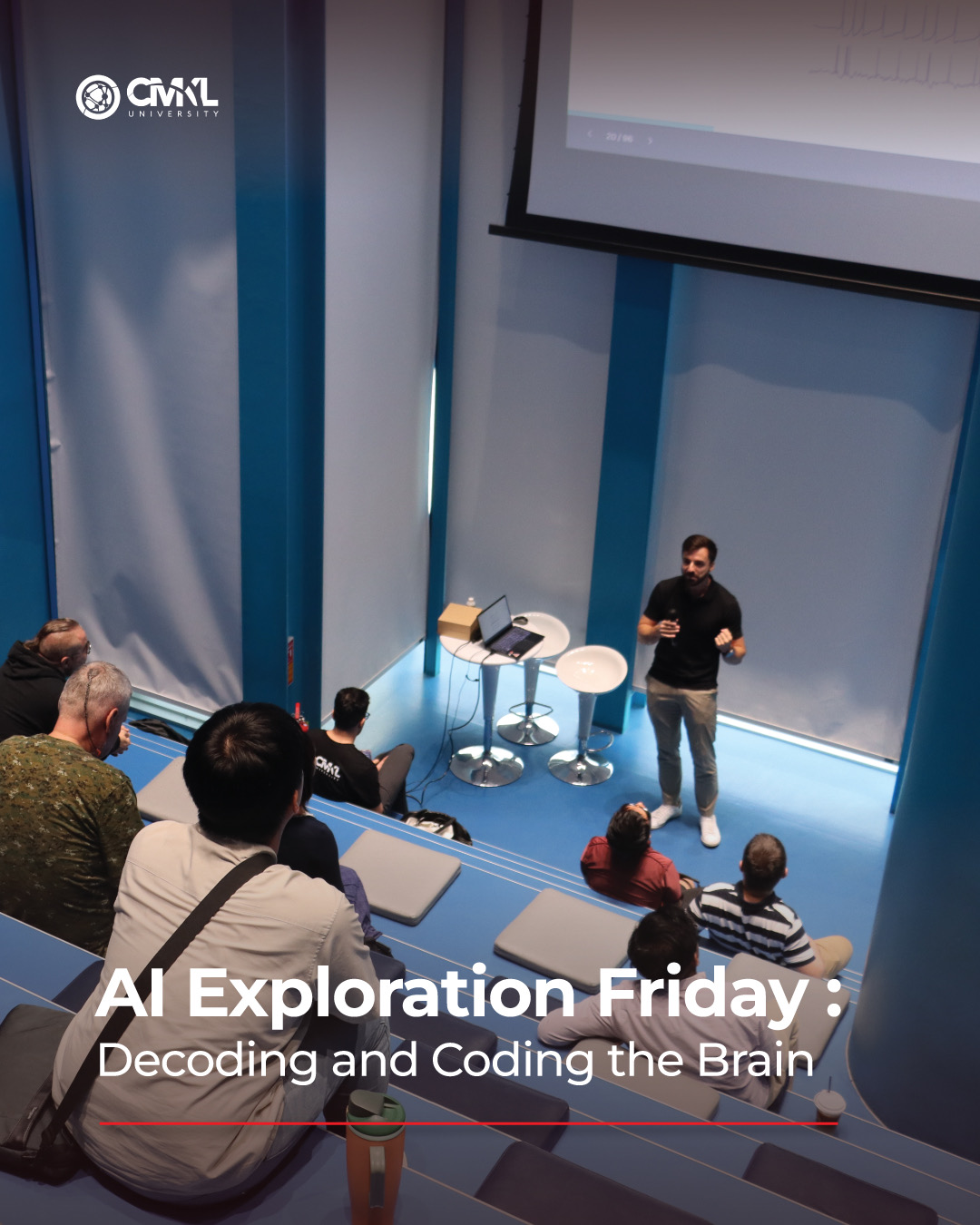
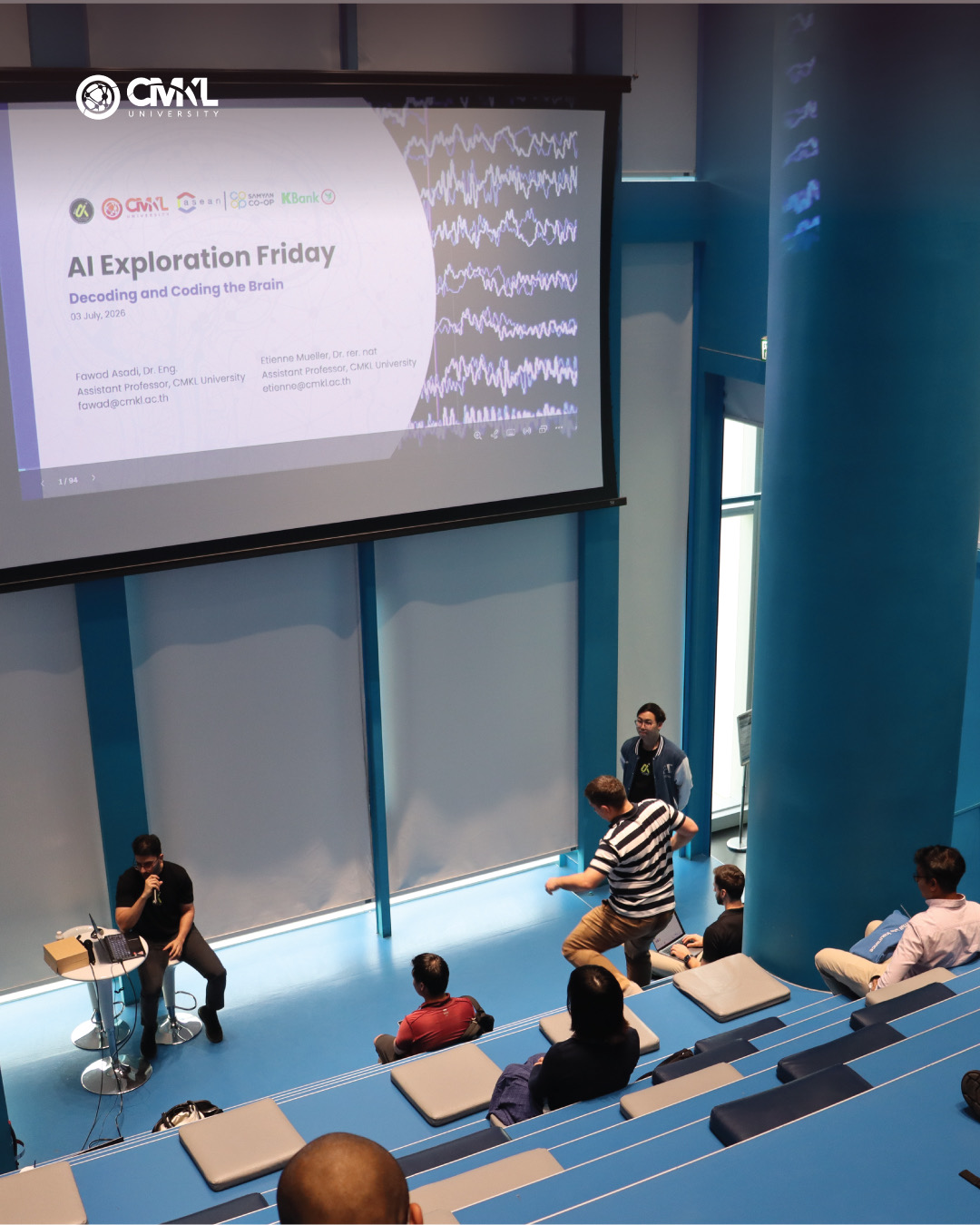
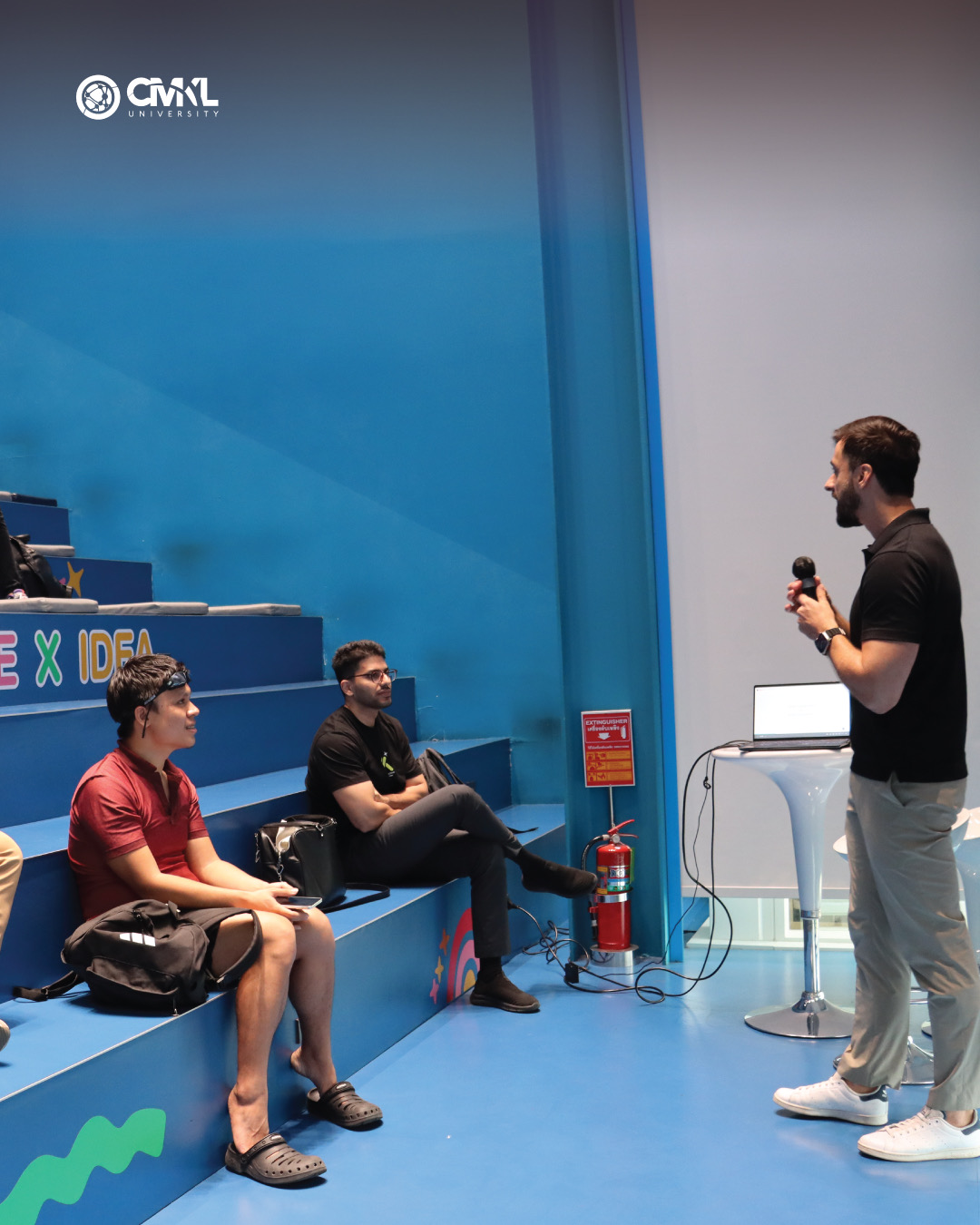
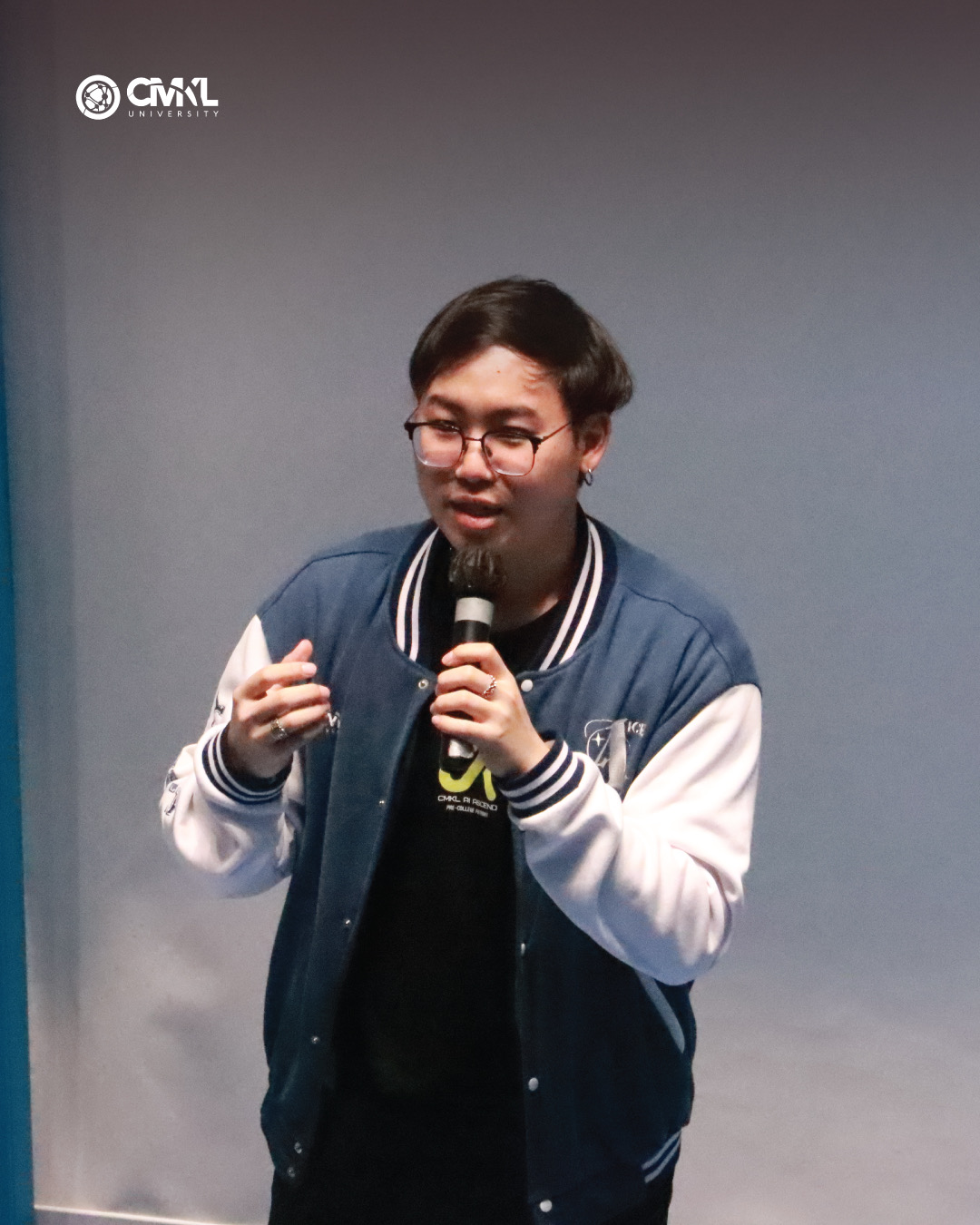
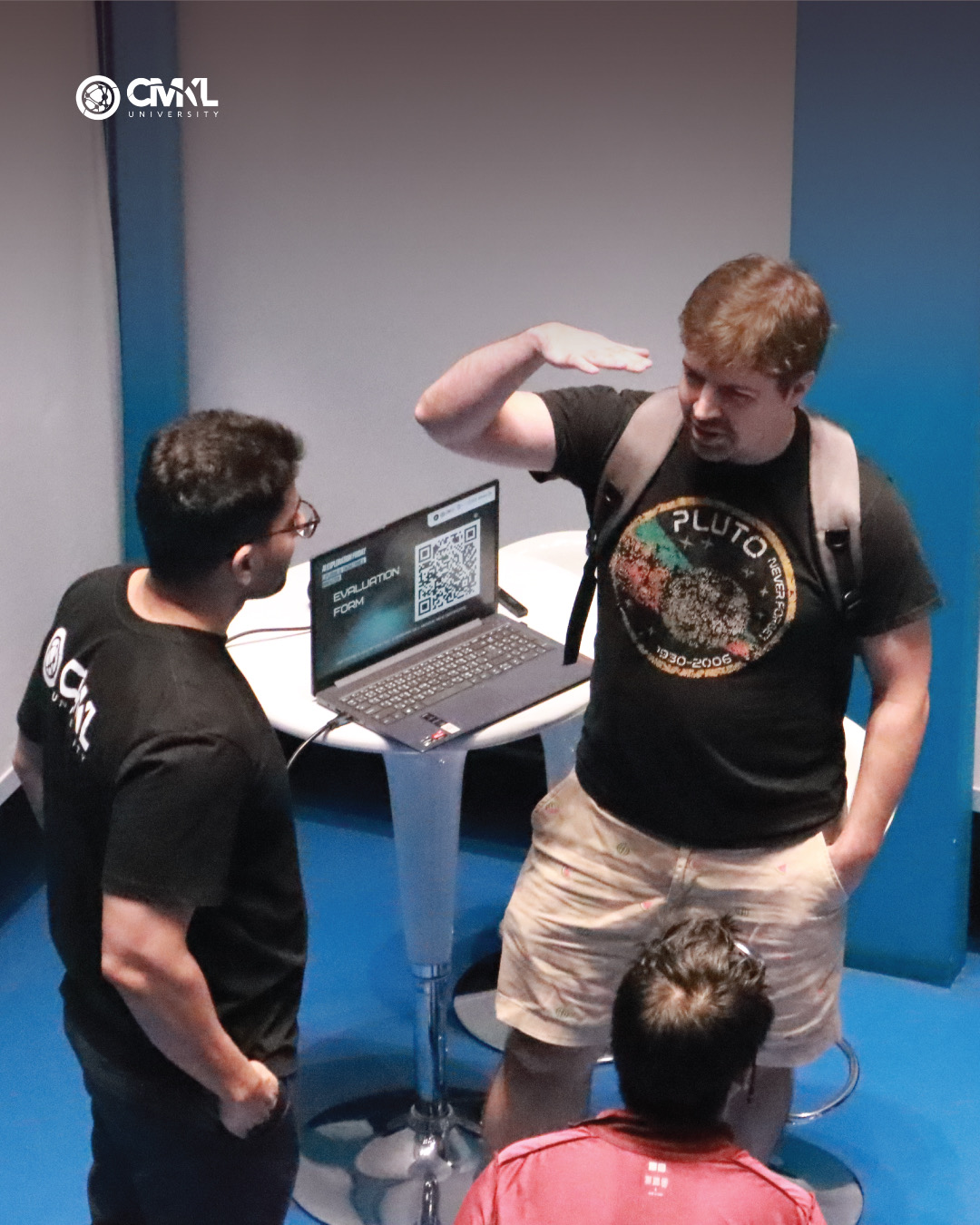
CMKL University hosted its July edition of the AI Exploration Friday series, centering on the groundbreaking field of neurotechnology and its convergence with artificial intelligence. Held at C-ASEAN Samyan CO-OP, the event brought together high school students, university learners, tech enthusiasts, and the general public to explore the theme “Decoding and Coding the Brain.”
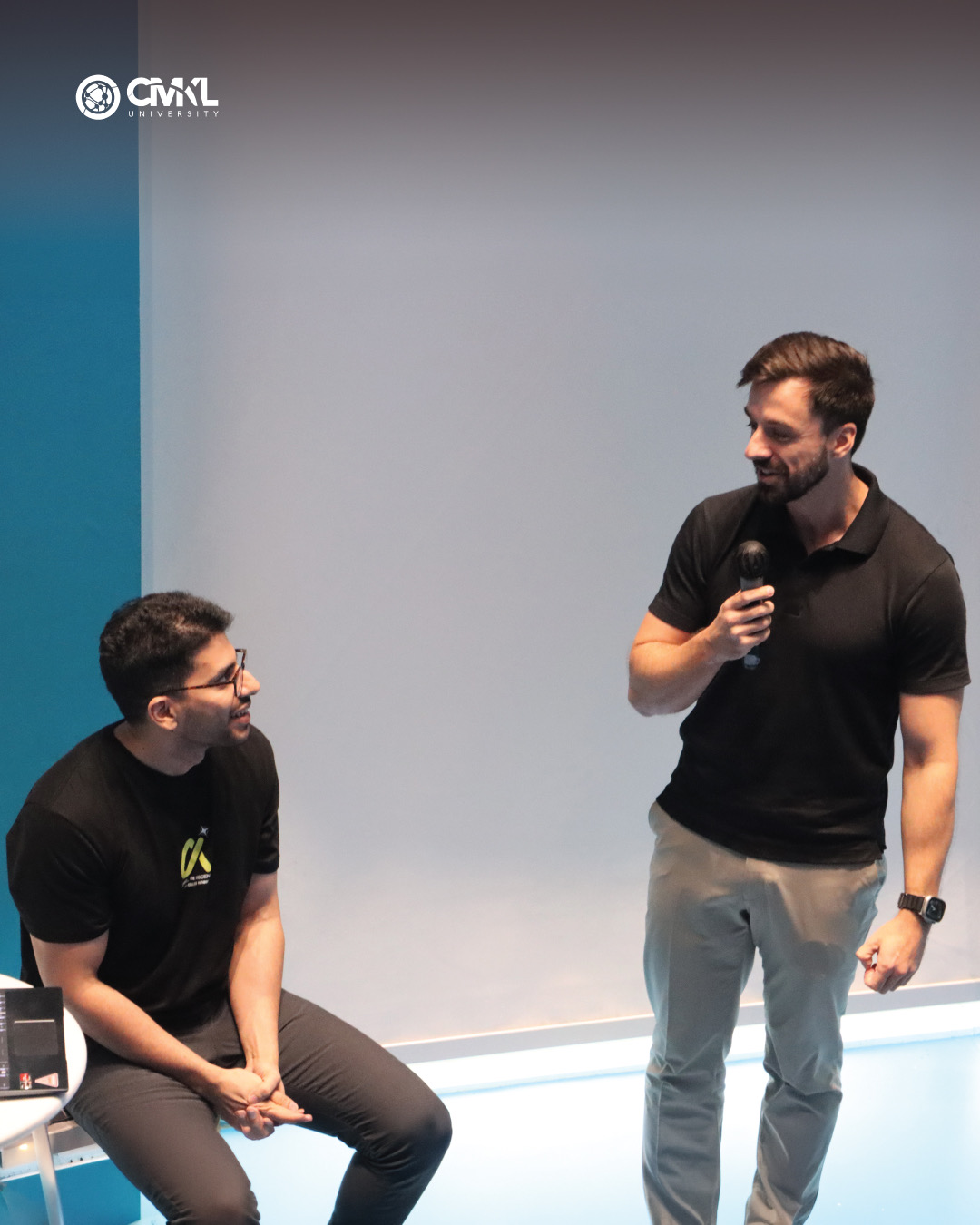
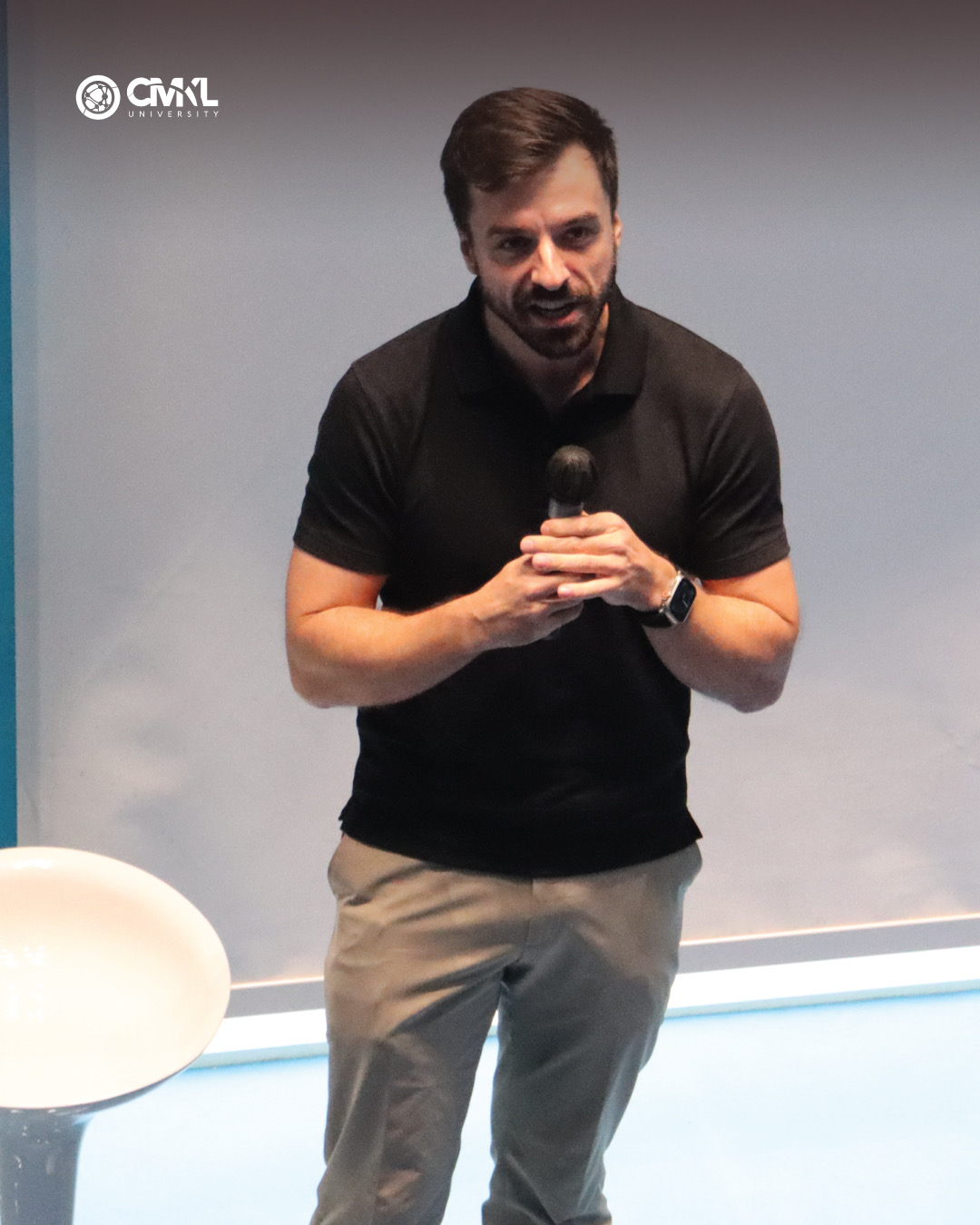
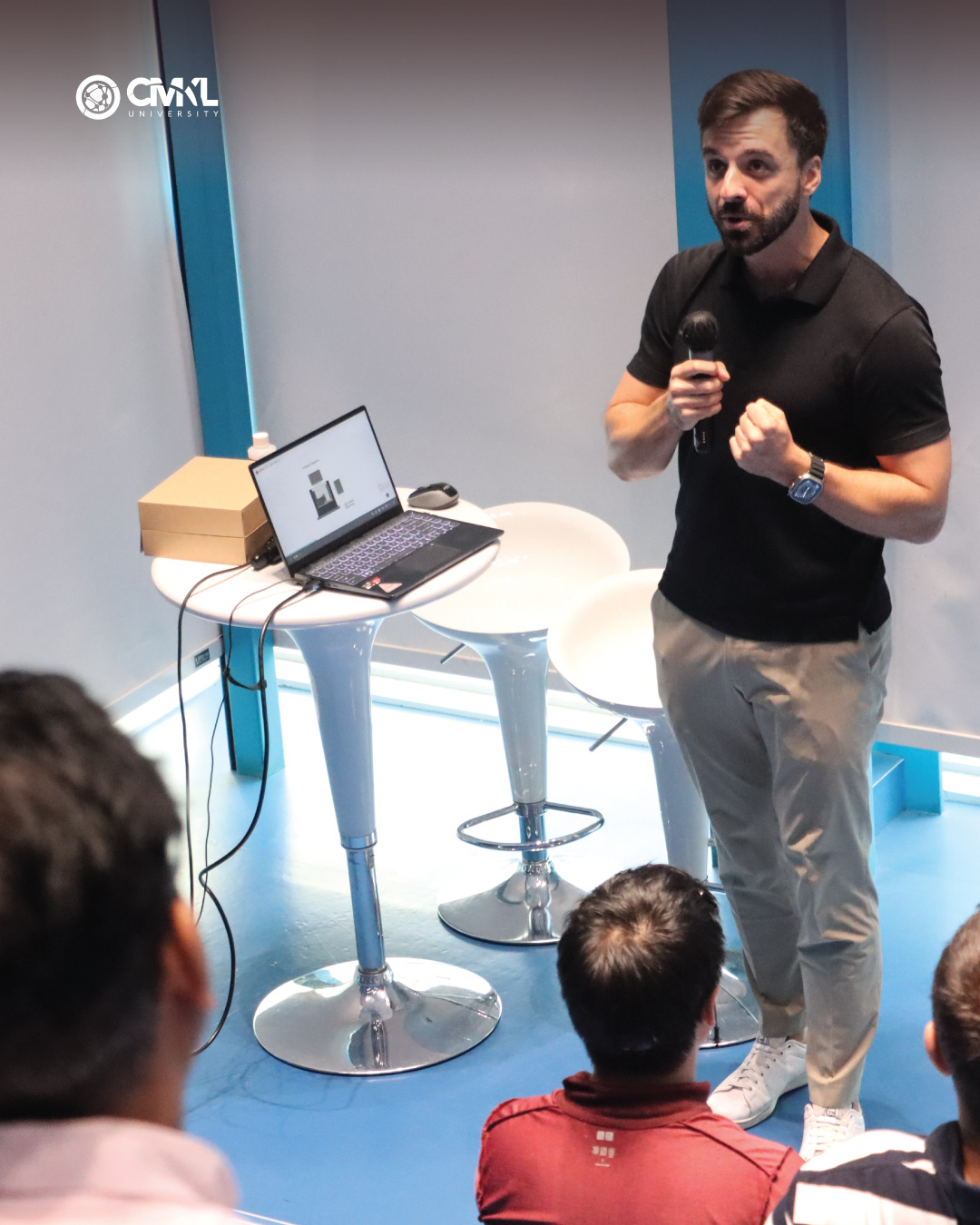
As Thailand’s No.1 AI & Innovation University, CMKL continues its mission to make complex, cutting-edge technologies accessible and practical for the wider community. The July workshop adapted a high-impact format, delivering six specialized 20-minute mini-sessions over a comprehensive two-hour span. Led by prominent CMKL faculty members Assistant Professor Fawad Asadi and Assistant Professor Etienne Mueller, the event provided participants with a structured journey from basic neuroanatomy to live technological demonstrations.
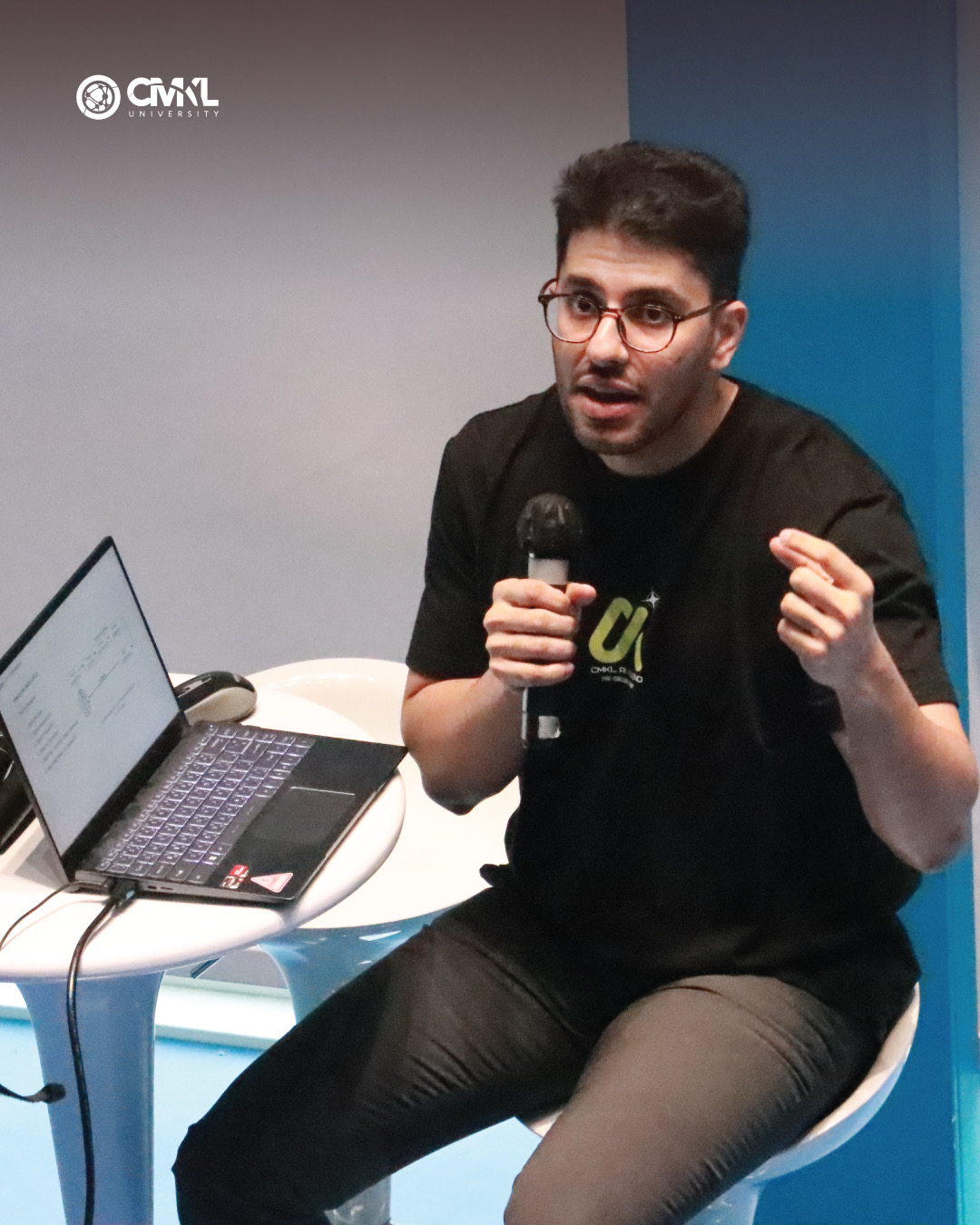
The seminar commenced with foundational insights from Dr. Fawad Asadi, who led the opening session, "Introduction to the Human Brain." Dr. Asadi outlined the complex structural framework of human neuroanatomy, preparing the audience to understand how biological systems serve as blueprints for modern technological development. This was seamlessly followed by Assistant Professor Etienne Mueller’s session on "Neural Communication and Information Processing," which detailed the biochemical and electrical mechanisms through which neurons transmit and compute information.
Transitioning from biology to engineering, Dr. Asadi introduced "Brain-Computer Interfaces (BCIs)," explaining the core methodologies behind capturing neural signals and translating them into external computational commands. Dr. Mueller then presented "Sustainability and Brain-inspired AI," addressing one of modern technology's greatest challenges: energy consumption. He discussed how the highly efficient architecture of the human brain inspires new AI paradigms designed to maximize computational power while minimizing environmental impact.
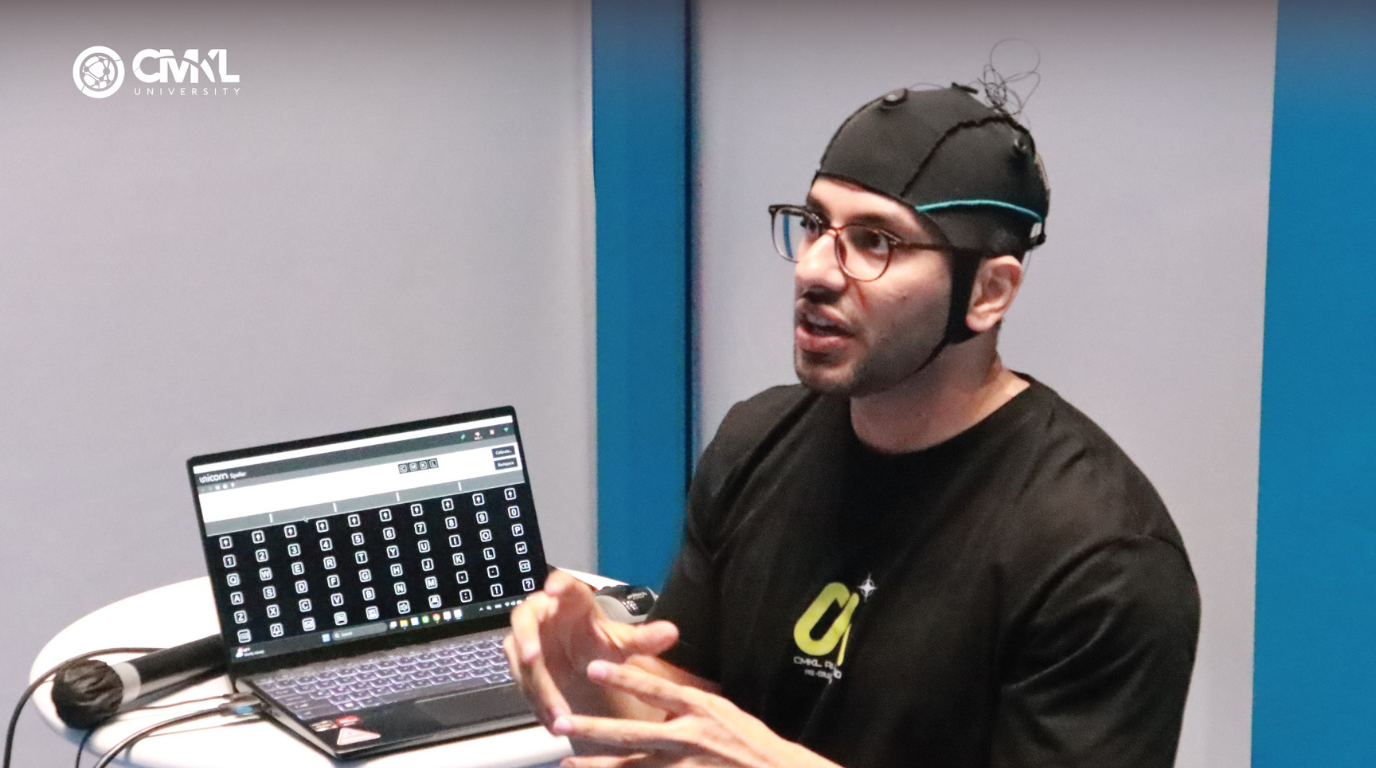
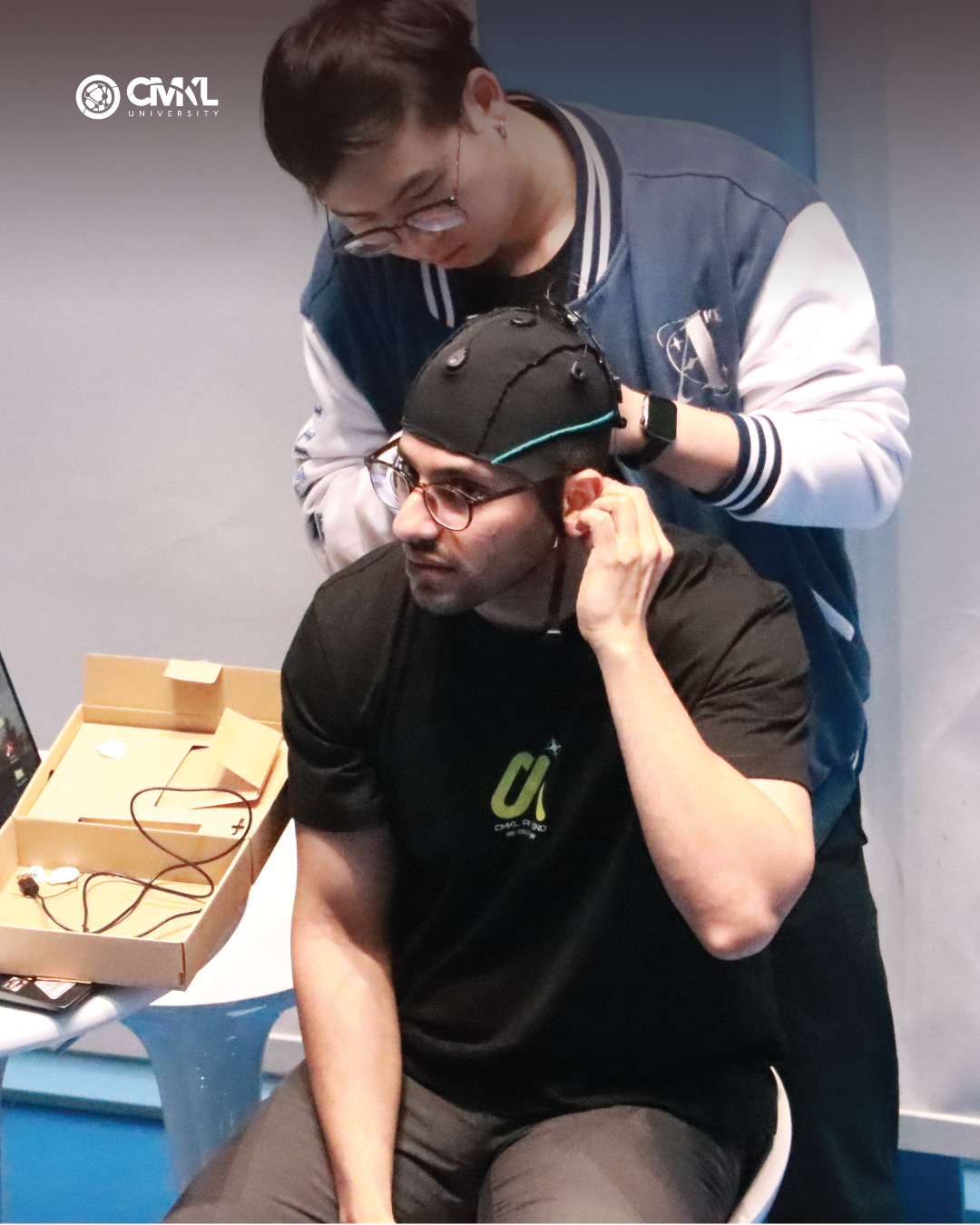
The final segments focused on practical execution and long-term implications. Dr. Asadi engaged the audience with a live "BCI Demonstration and Real-World Applications," showcasing how neurotech moves beyond theoretical research into impactful medical, assistive, and everyday solutions. To close the evening, Dr. Mueller outlined "Emerging Trends and Future Directions in Neurotechnology," highlighting upcoming career paths, ethical dimensions, and scientific breakthroughs on the horizon.
By connecting interdisciplinary fields like neuroscience, engineering, and data science into a coherent and engaging learning experience, CMKL University demonstrated the profound potential of human-centric AI development. Participants concluded the evening by receiving certificates of participation, equipped with updated knowledge to navigate the future of neural engineering.
Explore and register for upcoming AI Exploration Friday sessions:


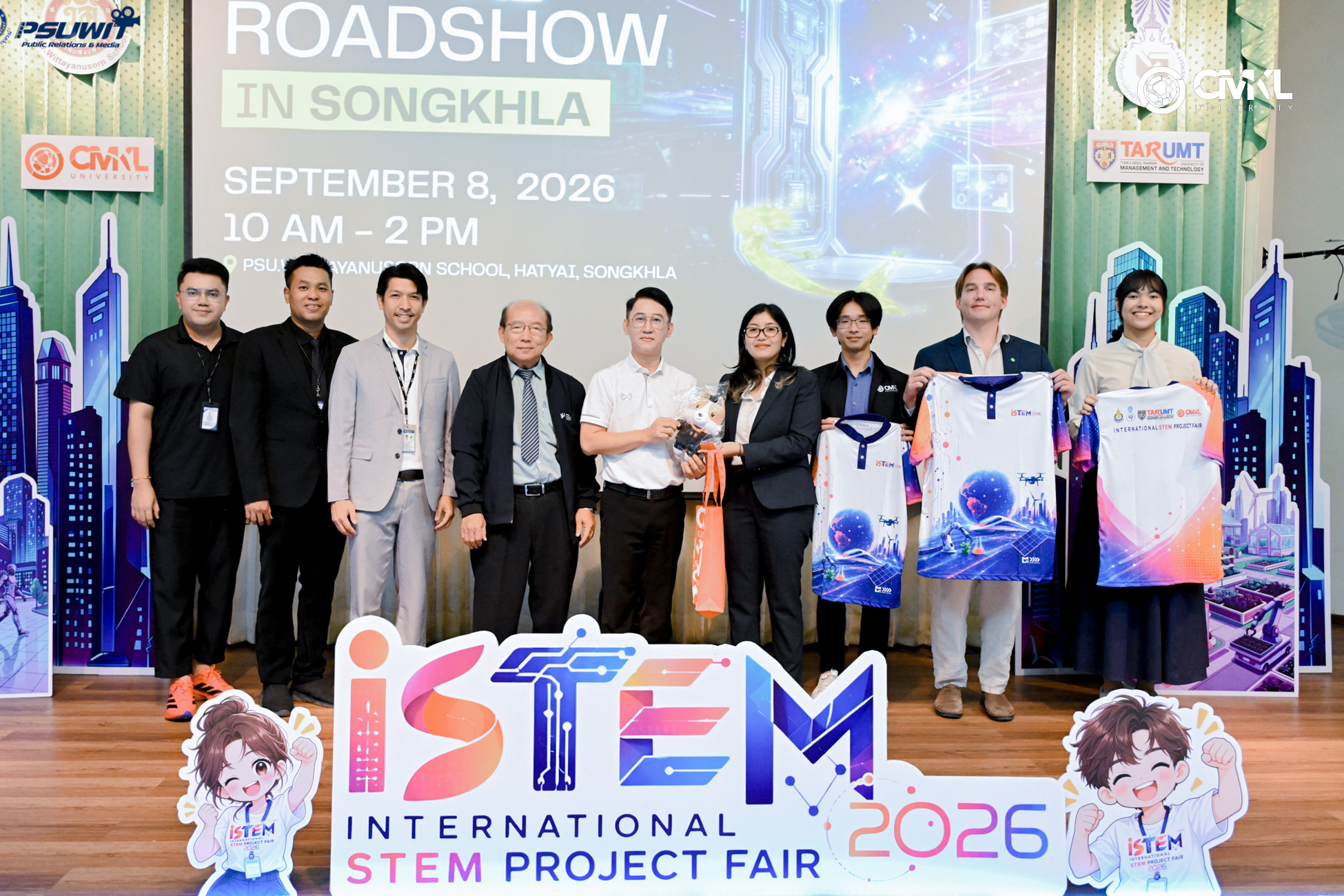
CMKL University recently brought its AI Roadshow to PSU Wittayanusorn School in Songkhla, offering high school students a day of immersive AI workshops led by world-class faculty and research team members. The event aimed to equip the next generation of tech leaders with practical skills and career insights.
Read more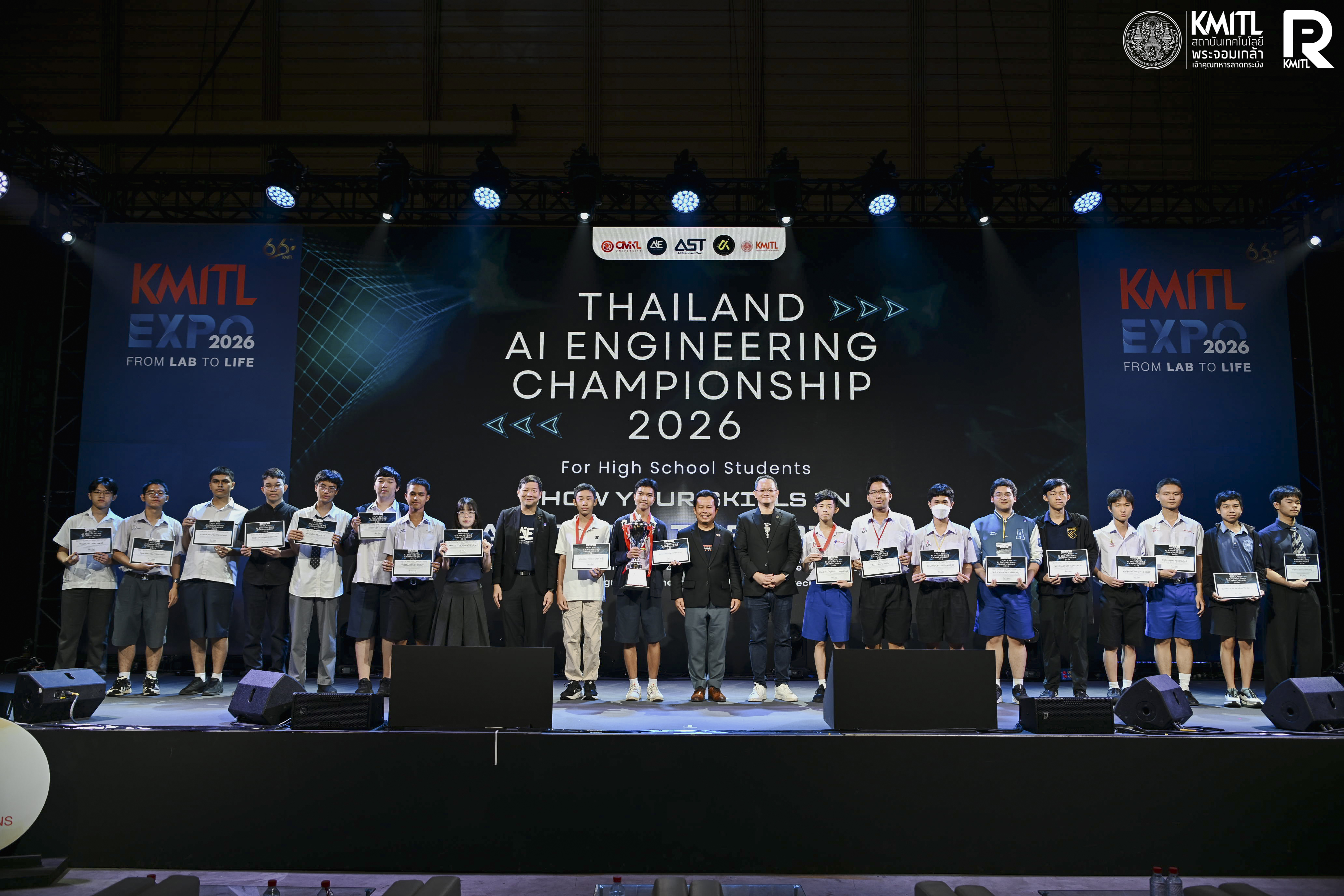
Thailand AI Engineering Championship (TAIEC) 2026, hosted by CMKL University and the AI Engineering Institute, brought together high school students from across Thailand to test their skills in AI, programming, problem-solving, and system design through a national-level competition.
Read more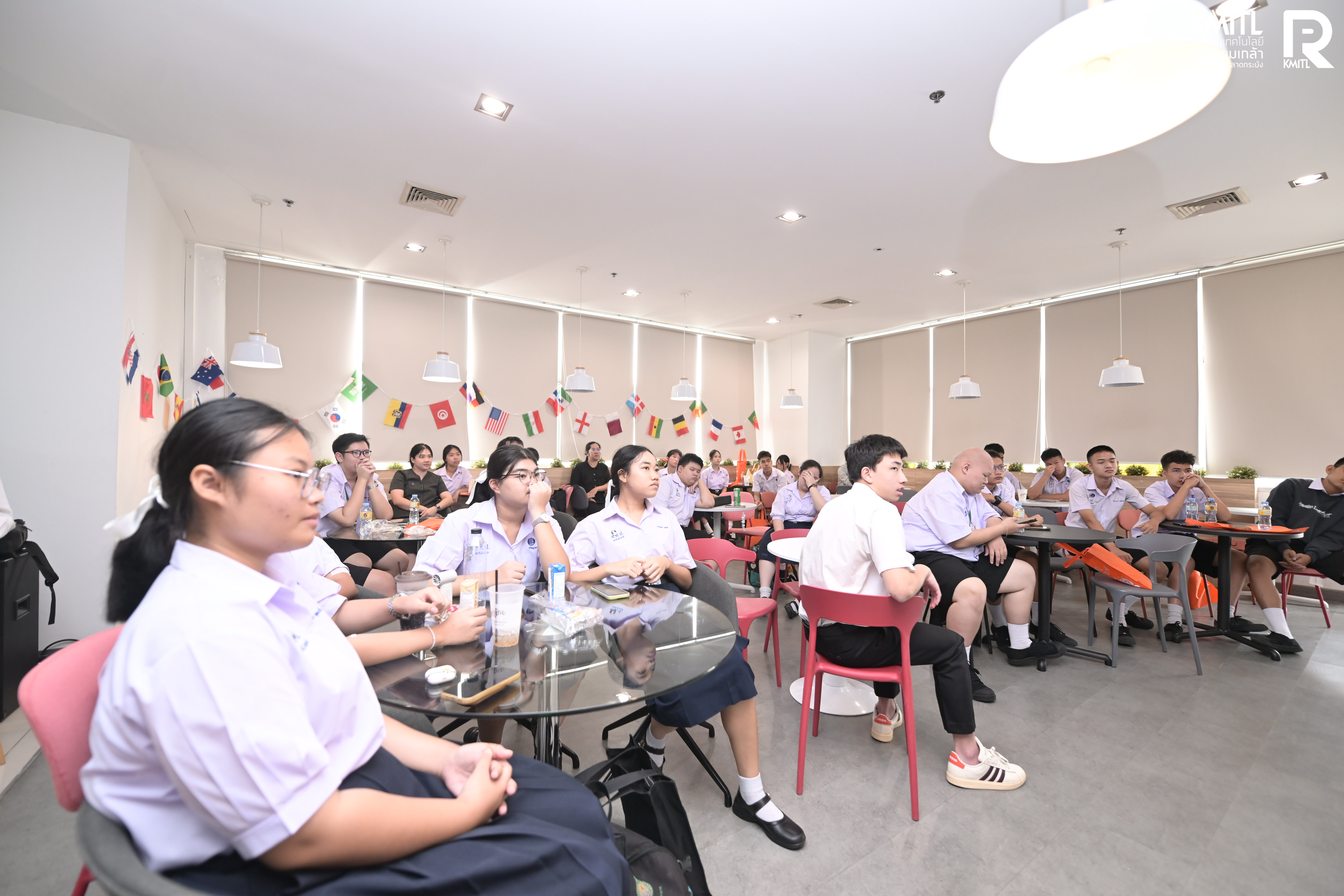
CMKL Open Days 2026 welcomed students, parents, and visitors to campus for a closer look at the university, its academic programs, student experience, and approach to AI education.
Read more