
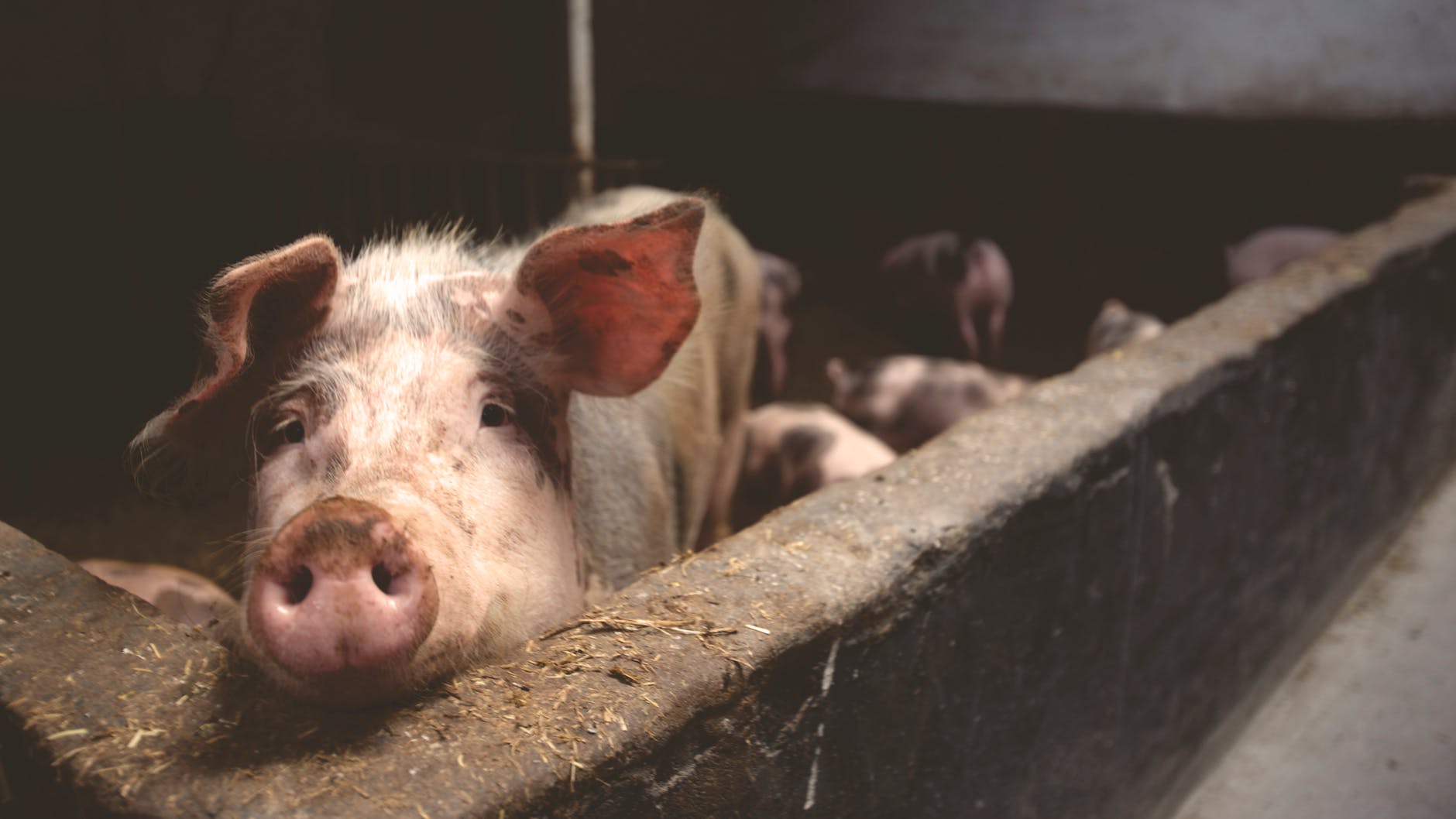
Through the use of geophone-based (vibration) sensors, the activities of pigs can be monitored more closely. Since piglet crushing primarily occurs when the mother pig is standing, farmers can be more alert to potential accidents. The research is also useful for monitoring the piglet’s eating, sleeping, and movement patterns, enabling farmers to monitor the piglet’s health in a noninvasive way. With one illness capable of killing an entire stock, a more thorough health evaluation would provide farmers with additional security for their animals. Researchers hope to develop a system that will enable farmers to monitor pigs 24/7, alerting them instantly when potential piglet crushing events occur.
Read more at : https://engineering.cmu.edu/news-events/news/2019/08/05-pig-sensing.html

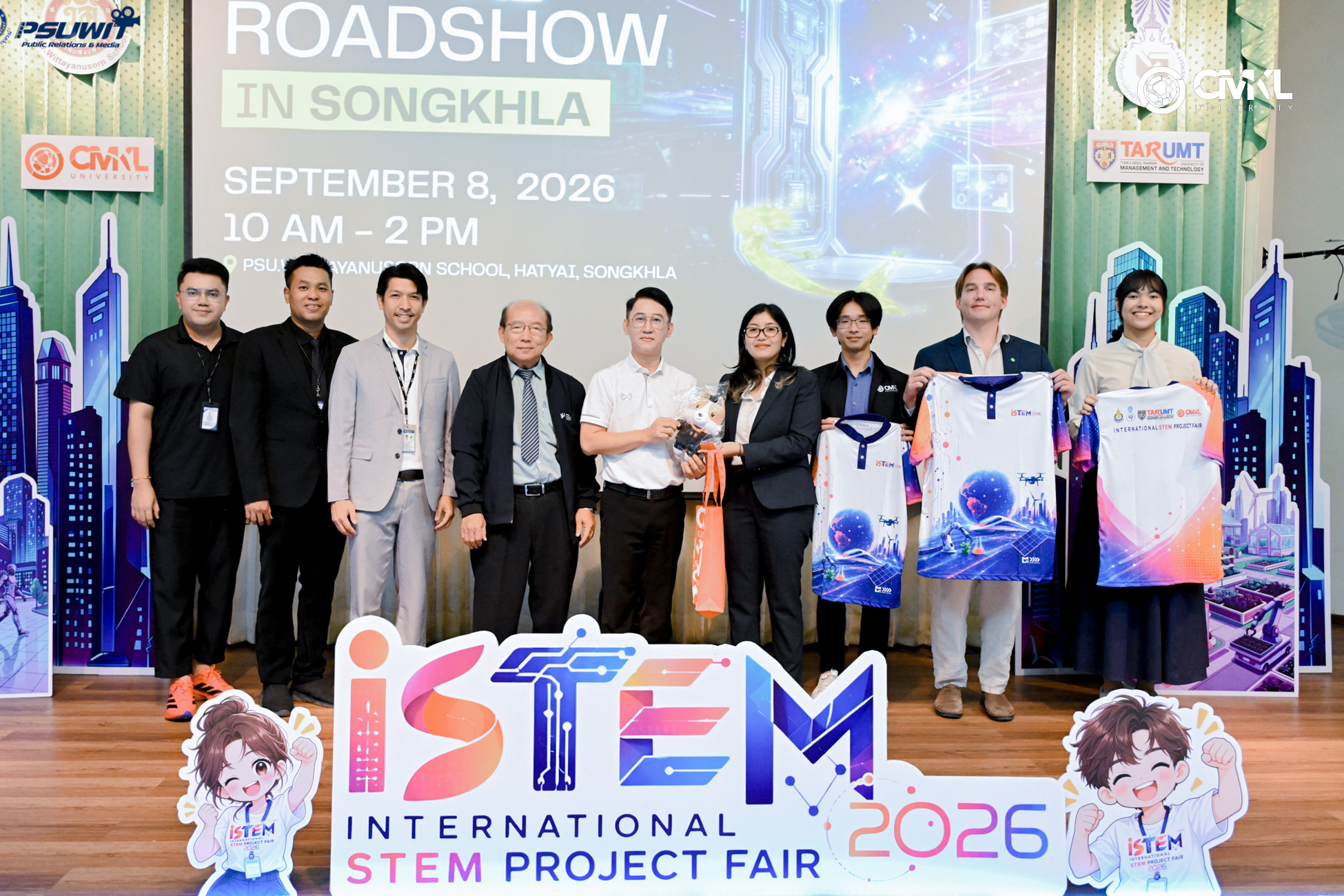
CMKL University recently brought its AI Roadshow to PSU Wittayanusorn School in Songkhla, offering high school students a day of immersive AI workshops led by world-class faculty and research team members. The event aimed to equip the next generation of tech leaders with practical skills and career insights.
Read more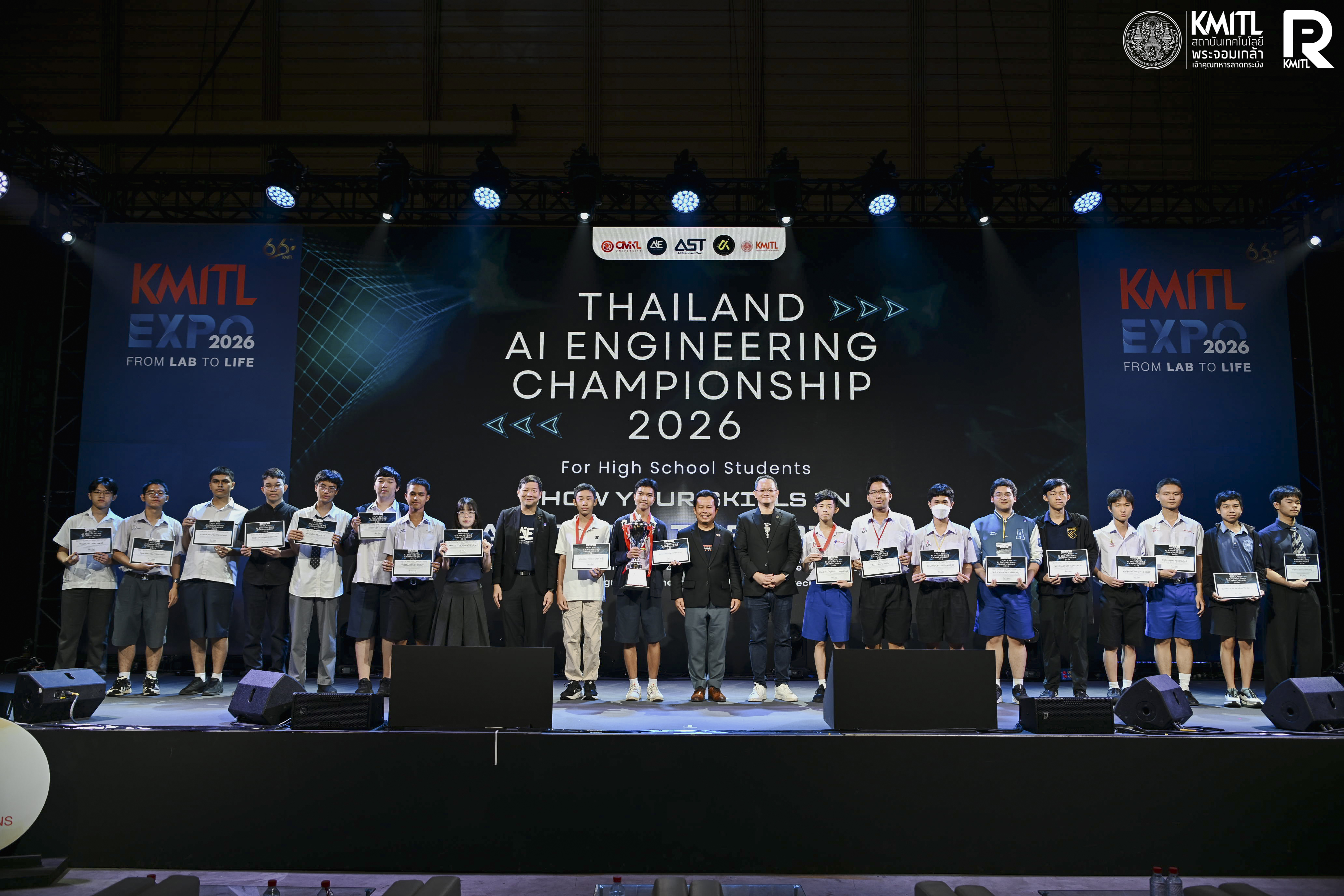
Thailand AI Engineering Championship (TAIEC) 2026, hosted by CMKL University and the AI Engineering Institute, brought together high school students from across Thailand to test their skills in AI, programming, problem-solving, and system design through a national-level competition.
Read more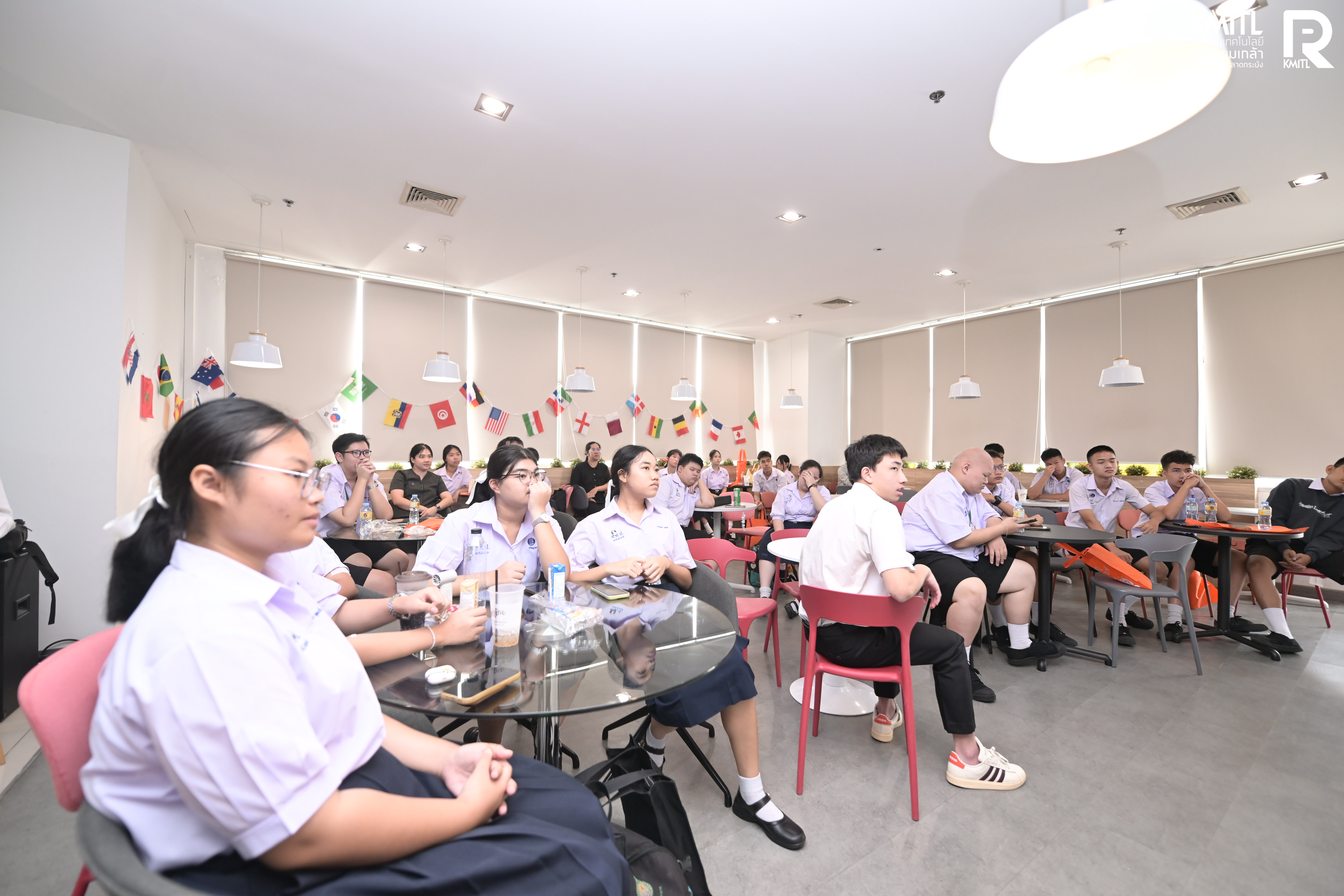
CMKL Open Days 2026 welcomed students, parents, and visitors to campus for a closer look at the university, its academic programs, student experience, and approach to AI education.
Read more