

Detecting Hidden Cyber Threats in Active Directory Logs with Hybrid AI
Enterprise systems generate large volumes of authentication and access-control data every day. Within Active Directory environments, these logs can contain early signals of cyber threats such as abnormal login patterns, brute-force attempts, and privilege escalation. However, traditional rule-based monitoring often struggles to detect subtle or previously unseen behavior.
At CMKL University, M.S. in AiCE student Ravisut Sirilertpanich developed Anomaly Detection for Active Directory Logs, a machine learning framework designed to improve how enterprise security teams identify abnormal authentication behavior.
The project combines rule-based filtering with machine learning. First, Active Directory logs are collected, cleaned, and transformed into structured behavioral features. The system then applies unsupervised anomaly detection models to identify outlier behavior and uses a second-stage classifier to reduce false positives and improve alert quality.
The framework explores models such as Isolation Forest, Local Outlier Factor, One-Class SVM, and Random Forest. By combining unsupervised anomaly detection with supervised filtering, the project aims to produce alerts that are more accurate, more explainable, and more practical for security monitoring teams.
The research demonstrates how AI can extend enterprise cybersecurity beyond static rules. Instead of only looking for known attack signatures, the system learns patterns of user behavior and flags deviations that may indicate risk. This makes the approach especially relevant for organizations that need scalable monitoring across complex log environments.
For CMKL, the project reflects the university’s graduate-level focus on AI engineering for production-grade systems: building models that not only perform well in experiments, but can also fit into real operational workflows where reliability, low noise, and interpretability matter.
Student: Ravisut Sirilertpanich, M.S. in AiCE
Advisors: Dr. Akkarit Sangpetch and Dr. Totrakool Khongsap
Category: AI Security / Enterprise AI
Tags: AI Security, Active Directory, Anomaly Detection, Cybersecurity, Machine Learning, Graduate Research





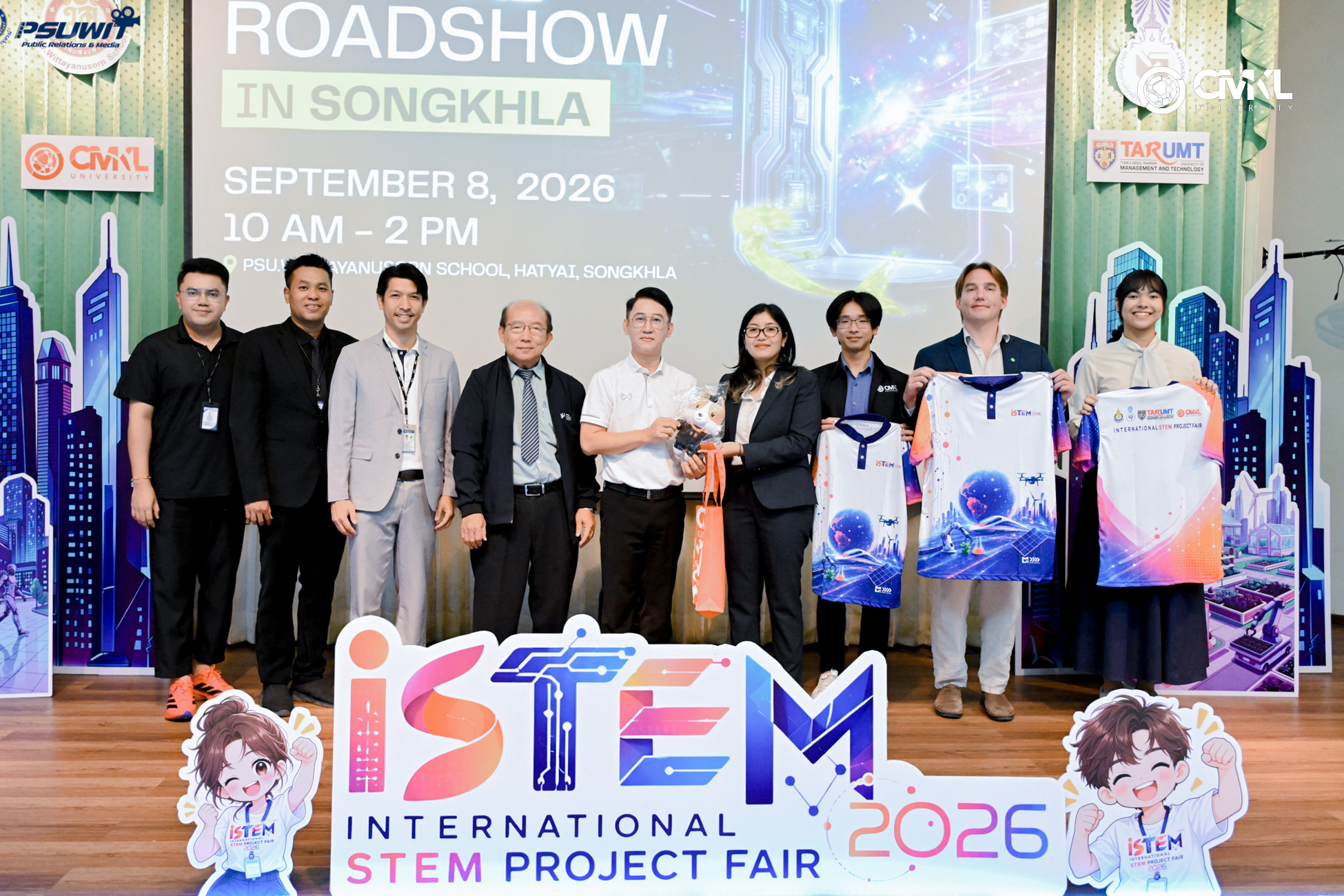
CMKL University recently brought its AI Roadshow to PSU Wittayanusorn School in Songkhla, offering high school students a day of immersive AI workshops led by world-class faculty and research team members. The event aimed to equip the next generation of tech leaders with practical skills and career insights.
Read more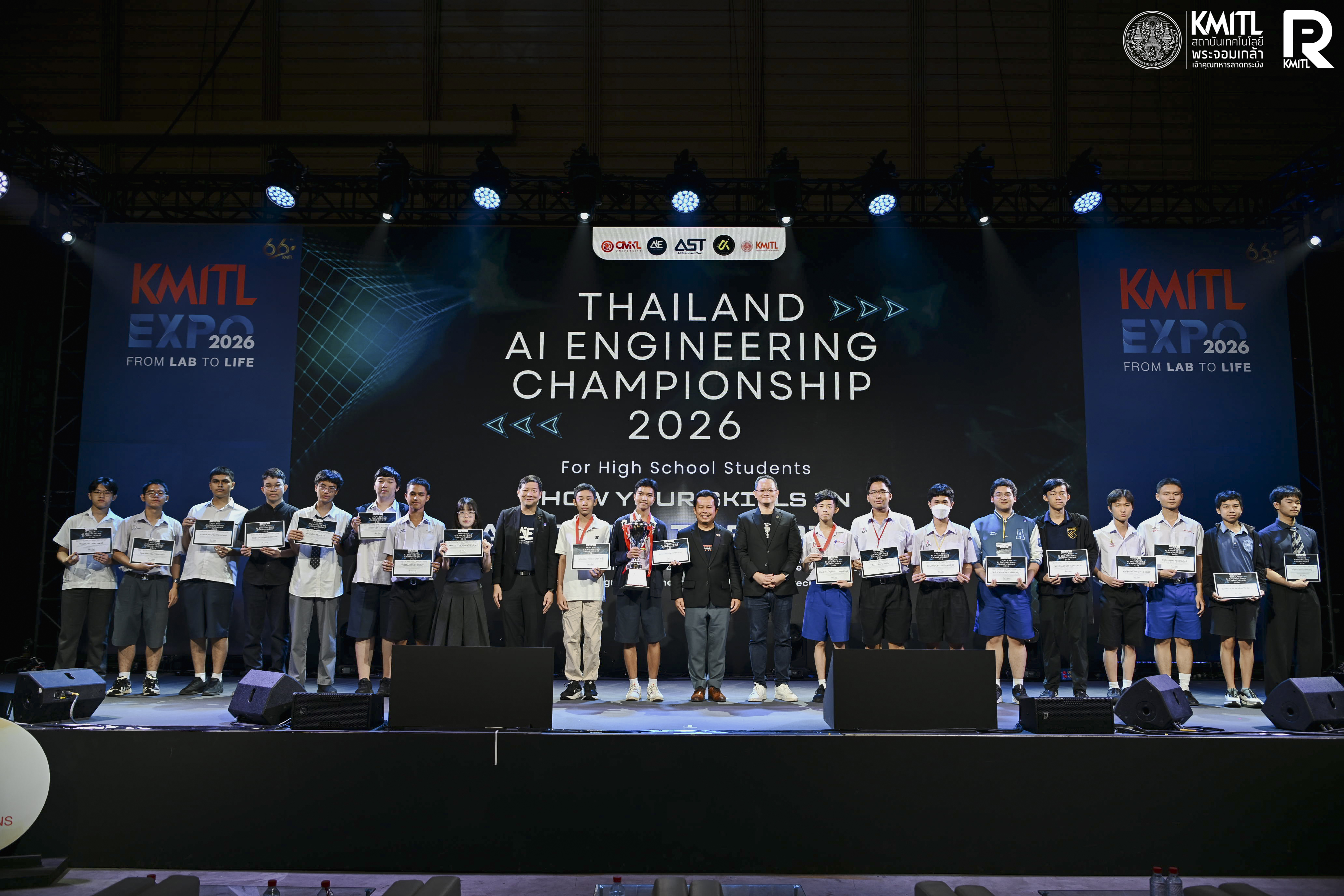
Thailand AI Engineering Championship (TAIEC) 2026, hosted by CMKL University and the AI Engineering Institute, brought together high school students from across Thailand to test their skills in AI, programming, problem-solving, and system design through a national-level competition.
Read more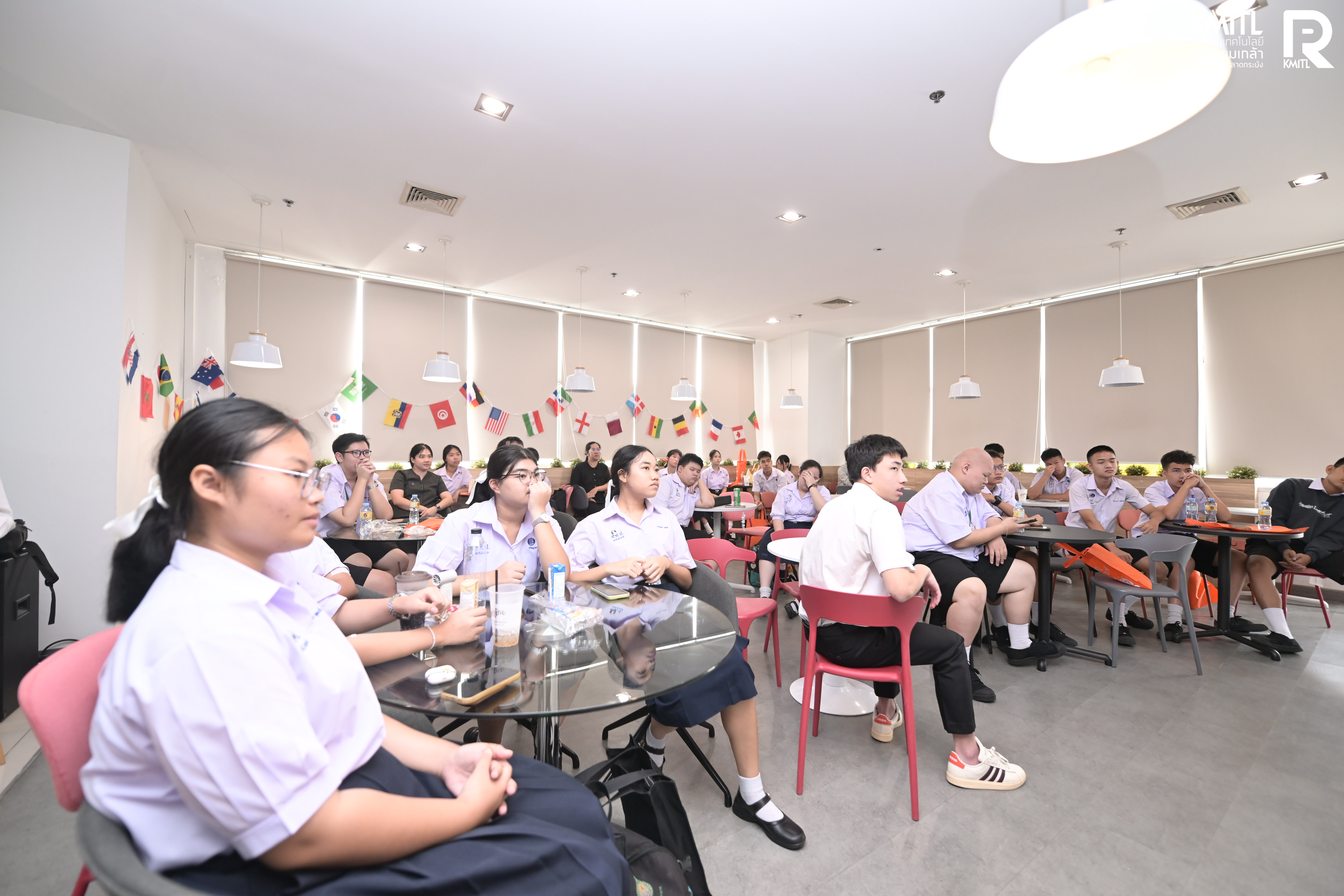
CMKL Open Days 2026 welcomed students, parents, and visitors to campus for a closer look at the university, its academic programs, student experience, and approach to AI education.
Read more