
Unearthing the Earth's Hidden Treasures: AI's Role in Rediscovering Natural Resources
Exploring the Earth for rare natural resources, including economically valuable plants and industrial minerals, is essential for fostering global economic development and maintaining the foundations of modern society. At CMKL University, we harness the capabilities of artificial intelligence (AI), with a particular focus on Large Language Models (LLMs), to reveal concealed information and insights regarding invaluable natural resources. Ranging from precious diamonds and jade to rare metals like lithium and coveted agarwood, our AI-driven methodology is revolutionizing the mineral discovery process, thereby improving efficiency and accessibility.
"Our AI application leverages advanced algorithms to match keywords associated with various minerals from diverse sources, both online and offline archives. By analyzing text data, the system identifies geographical regions where these minerals are frequently mentioned, facilitating their rediscovery in similar locations."

For instance, inputting keywords such as "mining" and "lithium” into our search engine enables the application to pinpoint regions where these minerals are likely to be found based on textual references.
We transform text into a format that captures word meanings and similarities. Then, we use methods like cosine similarity to connect words with specific places. By doing this, we can predict where valuable resources might be found more accurately.
"The real challenge lies in refining the AI's ability to extract the right keywords and contextual information from vast amounts of data."
Our goal is to predict the probability of natural resource presence with precision, eliminating the need for extensive manual exploration. By correlating resources with environmental characteristics and previous discoveries, our application provides a percentage probability of finding the desired resource in a specific area.
Beyond just finding minerals, this approach has many other uses. It can help with things like analyzing social media, responding to disasters, and planning cities. By combining word meanings with location data, we are pushing the boundaries of AI and helping make better decisions in various fields.
“AI can turn text into valuable insights, leading to smarter resource management and important discoveries.”


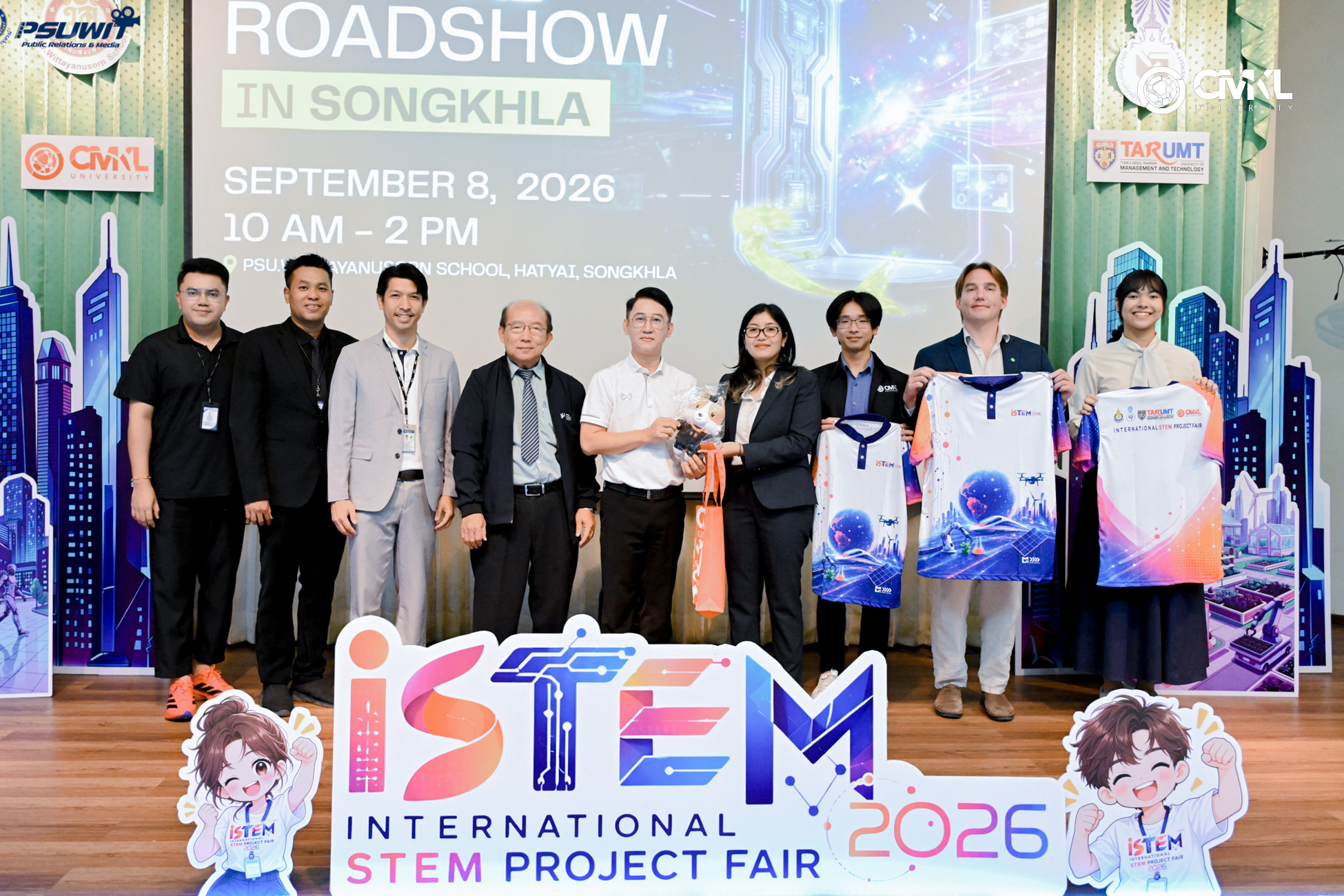
CMKL University recently brought its AI Roadshow to PSU Wittayanusorn School in Songkhla, offering high school students a day of immersive AI workshops led by world-class faculty and research team members. The event aimed to equip the next generation of tech leaders with practical skills and career insights.
Read more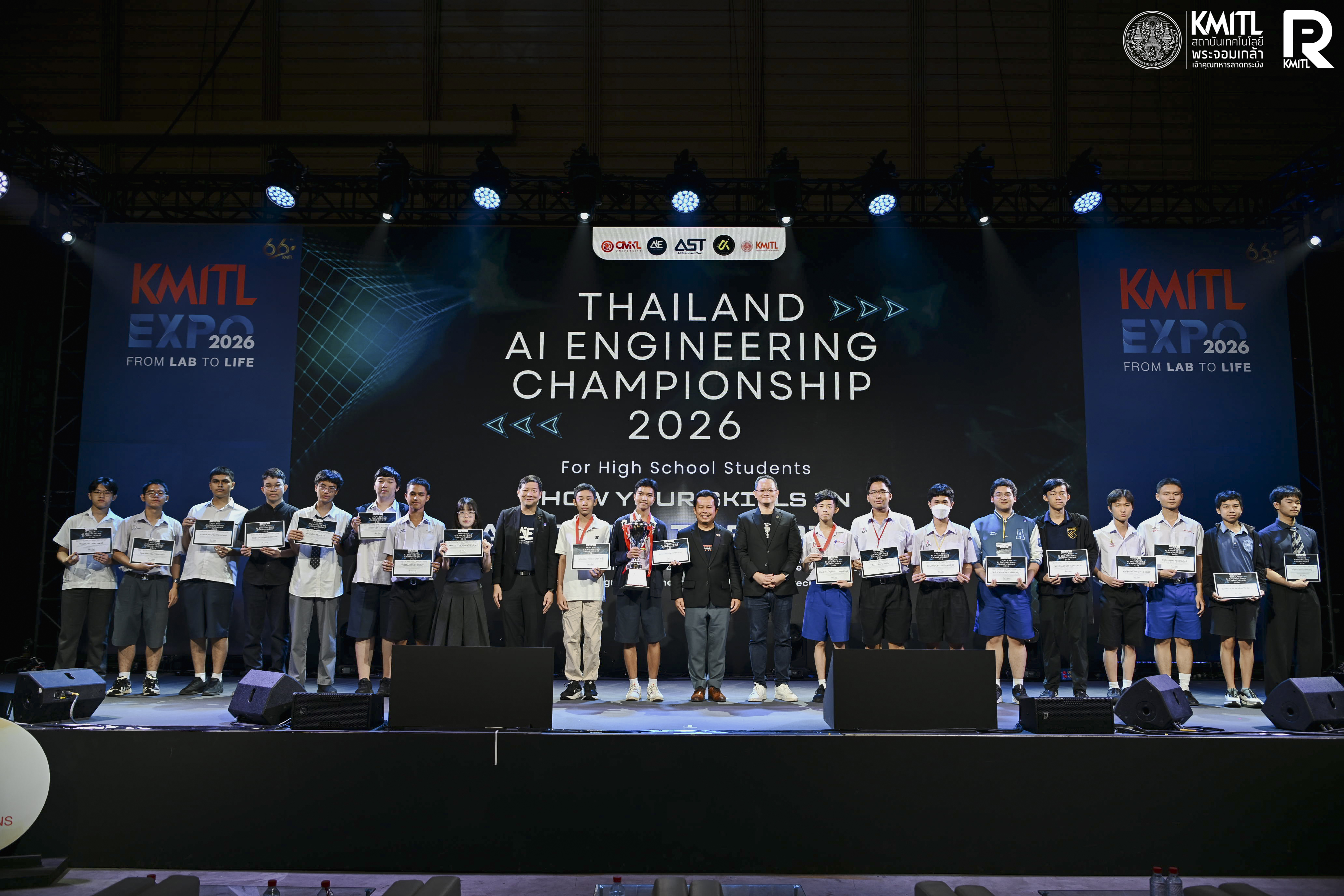
Thailand AI Engineering Championship (TAIEC) 2026, hosted by CMKL University and the AI Engineering Institute, brought together high school students from across Thailand to test their skills in AI, programming, problem-solving, and system design through a national-level competition.
Read more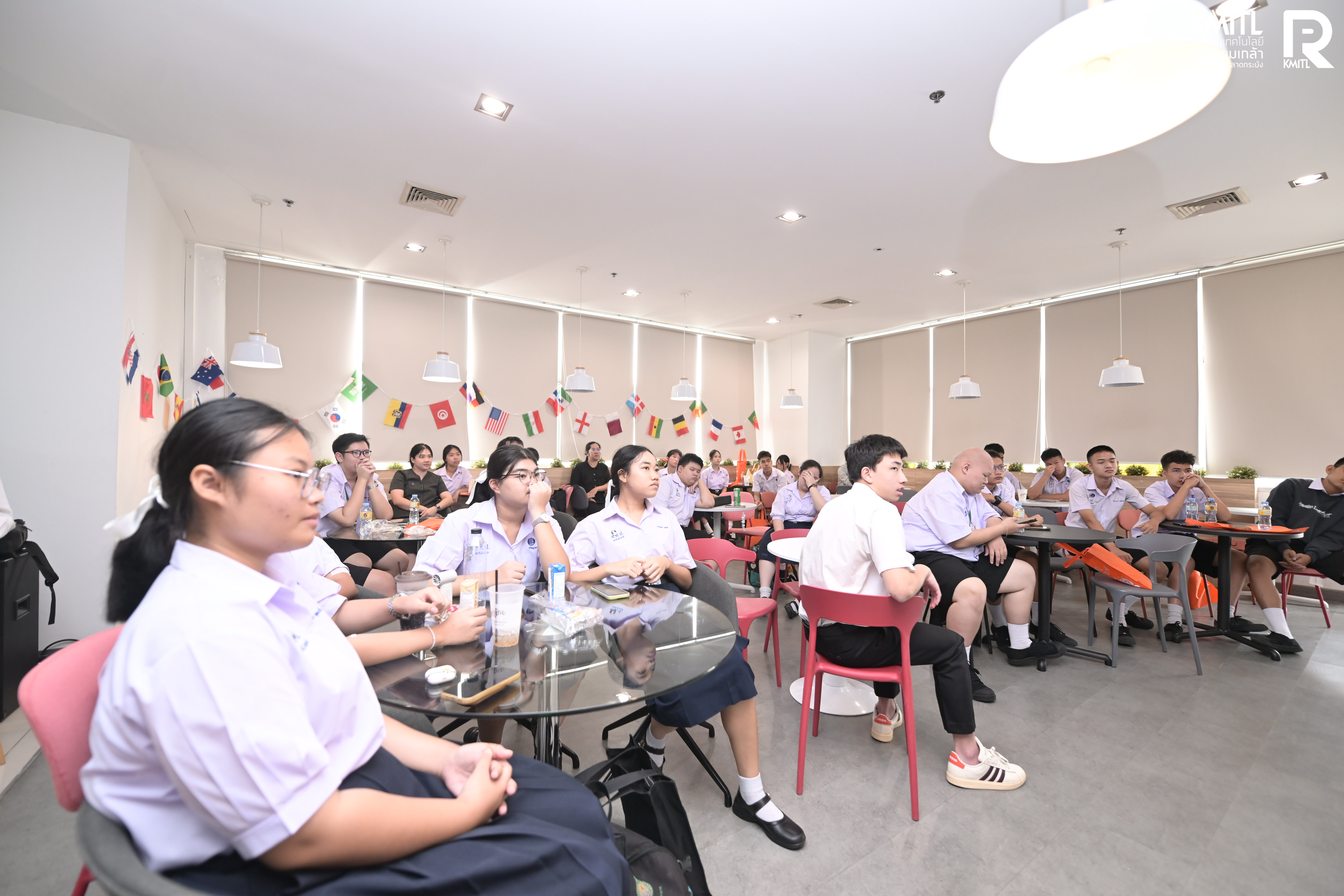
CMKL Open Days 2026 welcomed students, parents, and visitors to campus for a closer look at the university, its academic programs, student experience, and approach to AI education.
Read more