CMKL University Explores How to Turn Social Impact into Measurable Value at SX2026
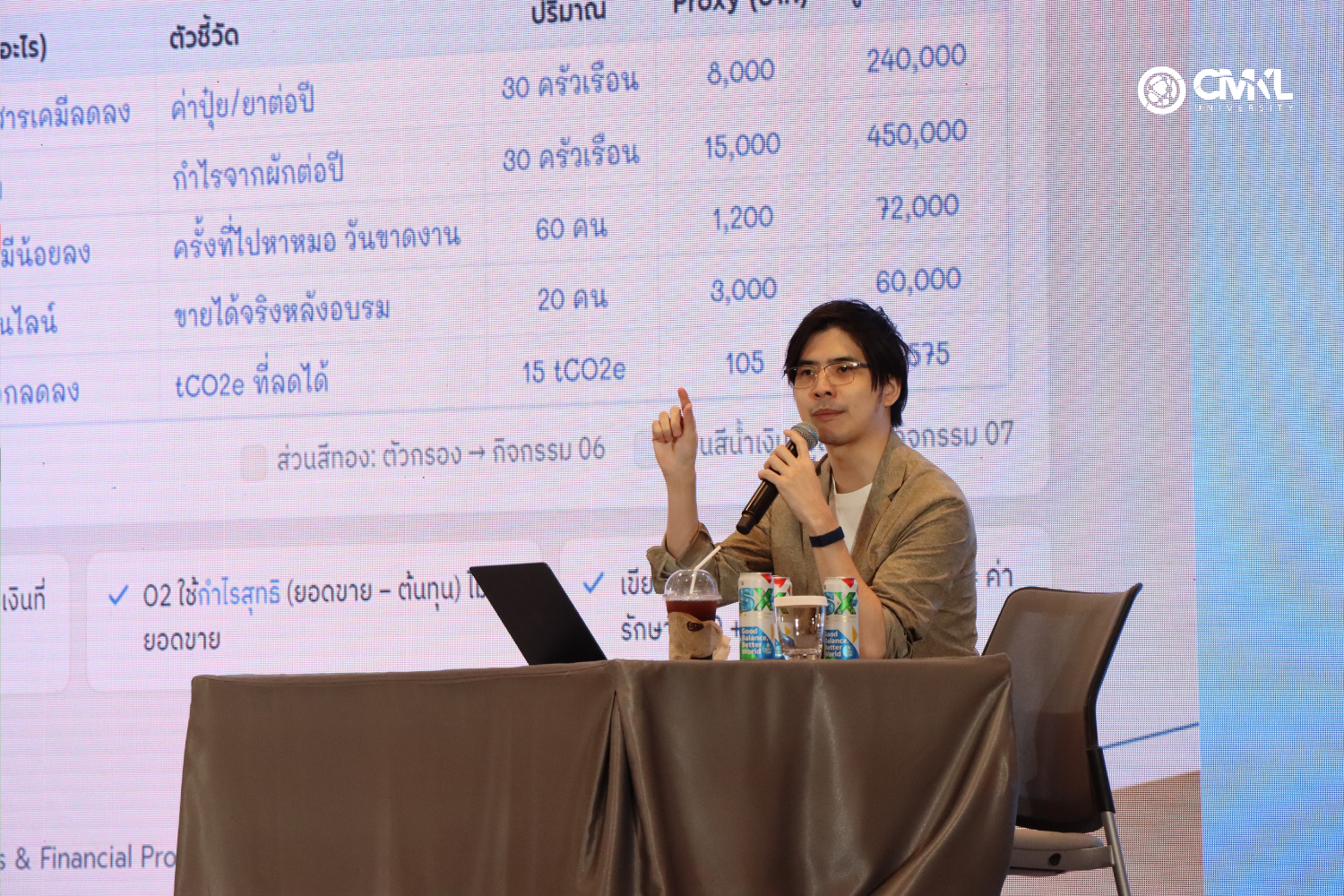
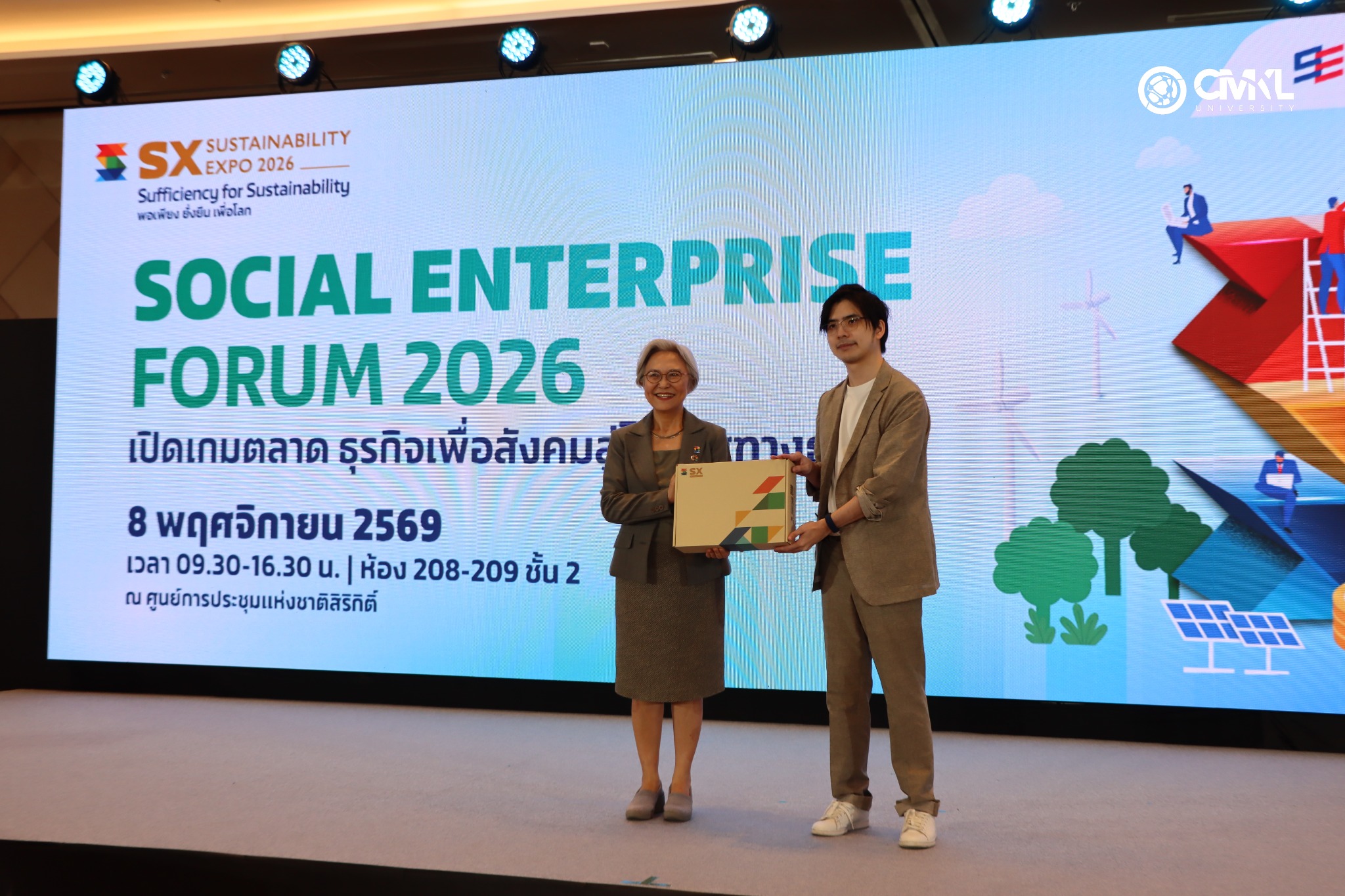
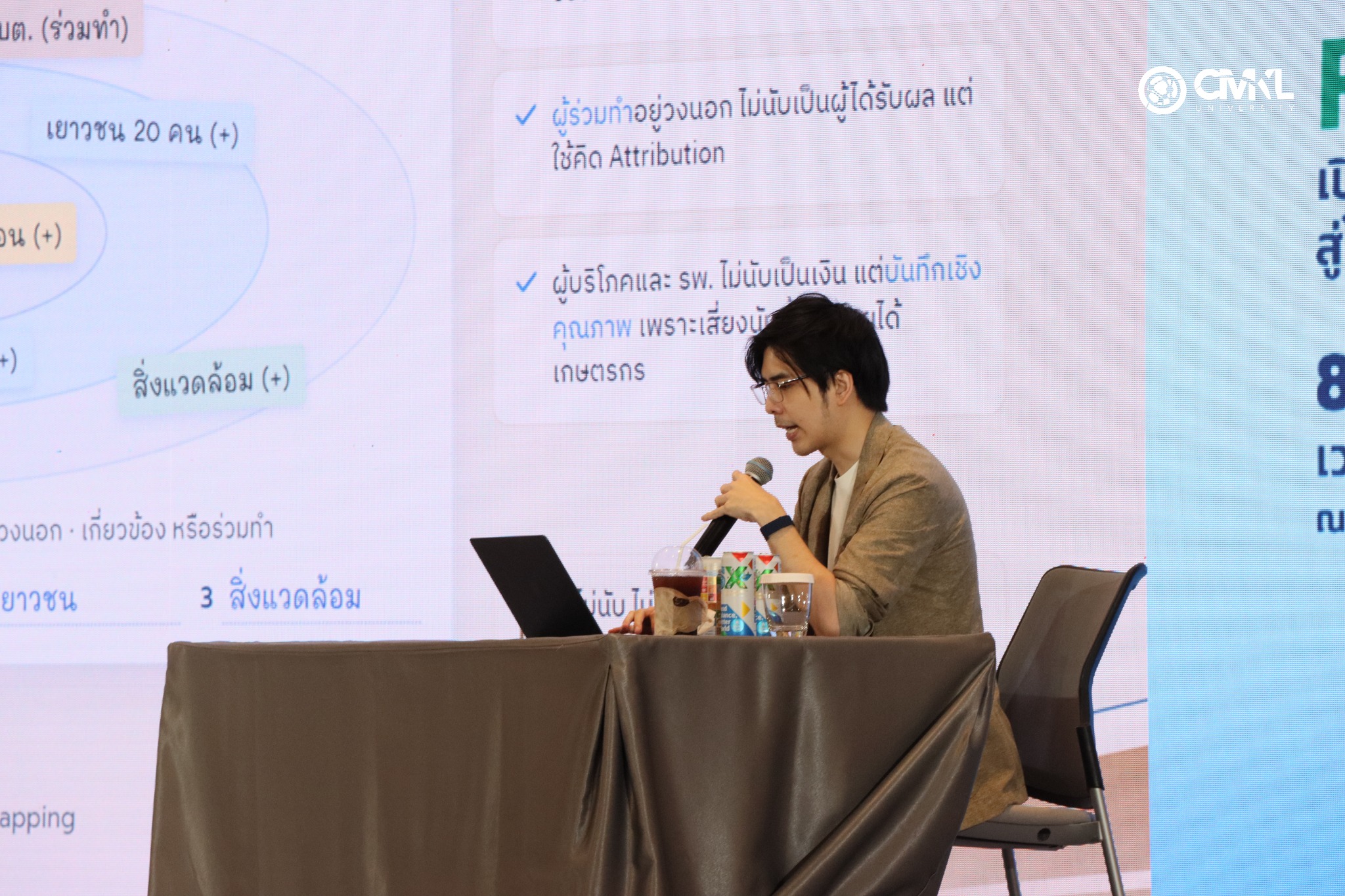
Bangkok, 8 November 2026 – CMKL University continued its participation in Sustainability Expo 2026 (SX2026) with a hands-on workshop, “Impact to Value: Measuring Social Impact,” led by Piyamin Trithipcharoenchai, Adjunct Faculty at CMKL University and Managing Partner at NXT Consulting Group.
Held at the Queen Sirikit National Convention Center (QSNCC), the three-hour session introduced participants to Social Return on Investment (SROI), a framework used to assess and communicate the social, economic, and environmental value generated by projects and initiatives.
The workshop aimed to make impact assessment more accessible and practical for social enterprises, students, community organizations, public agencies, and individuals interested in creating measurable social value.
Moving Beyond Activities to Meaningful Outcomes
A central focus of the workshop was understanding the difference between project outputs, outcomes, and impact.
While outputs describe what a project delivers, such as the number of training sessions conducted or participants reached, outcomes reflect meaningful changes in people's behavior, well-being, or livelihoods. Impact assessment goes further by examining how much of that change can genuinely be attributed to a particular project.
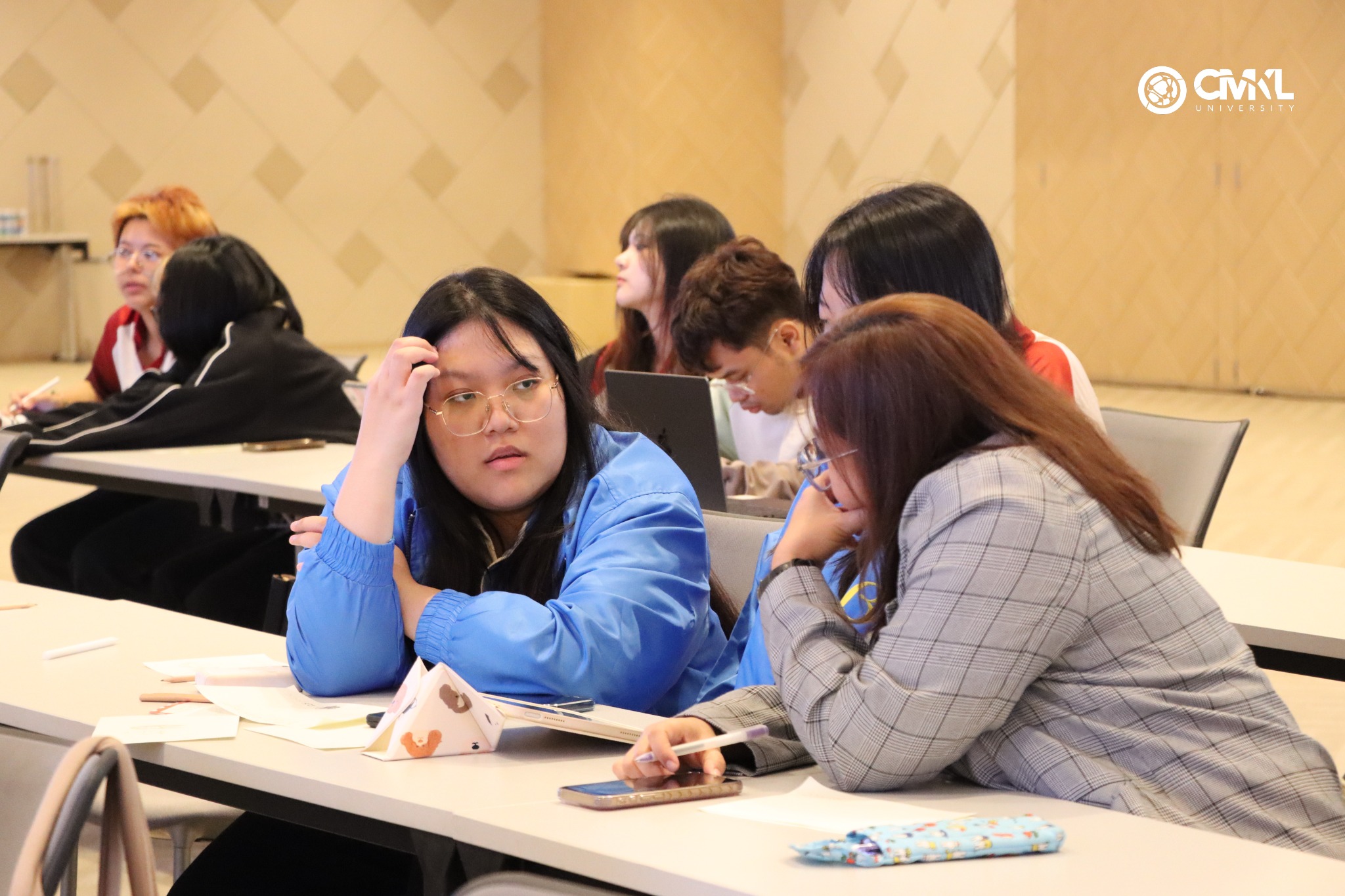
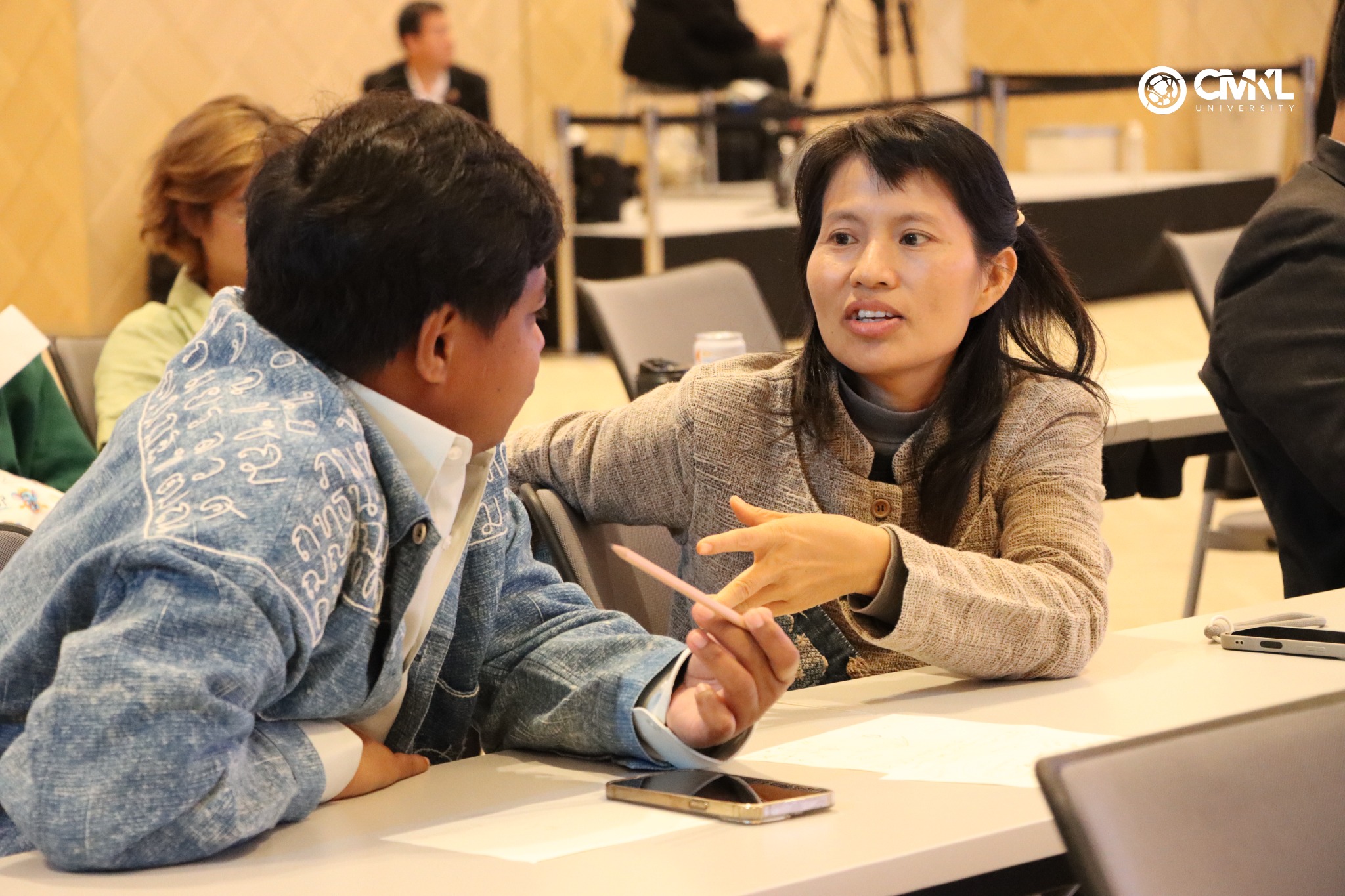
Through examples and interactive exercises, participants explored why measuring success requires more than simply reporting activities or achievements.
The workshop emphasized three important purposes of impact measurement: demonstrating value to stakeholders, identifying opportunities for improvement, and supporting better decisions about the use of resources.
Turning Social Impact into Measurable Value
The session introduced participants to several tools commonly used in social impact assessment, including Theory of Change, Result Chain, and Stakeholder Mapping.
Using these frameworks, participants learned how to identify intended changes, connect project activities to measurable outcomes, and consider the perspectives of people and communities affected by an initiative.
A fictional community-based sustainable agriculture project served as a practical case study throughout the workshop. The example demonstrated how activities such as agricultural training, reducing chemical fertilizer use, and expanding market access could generate measurable benefits for farming households and their communities.
Participants also explored the use of financial proxies to estimate the monetary value of social outcomes, alongside techniques for avoiding double-counting and overestimating a project's contribution.
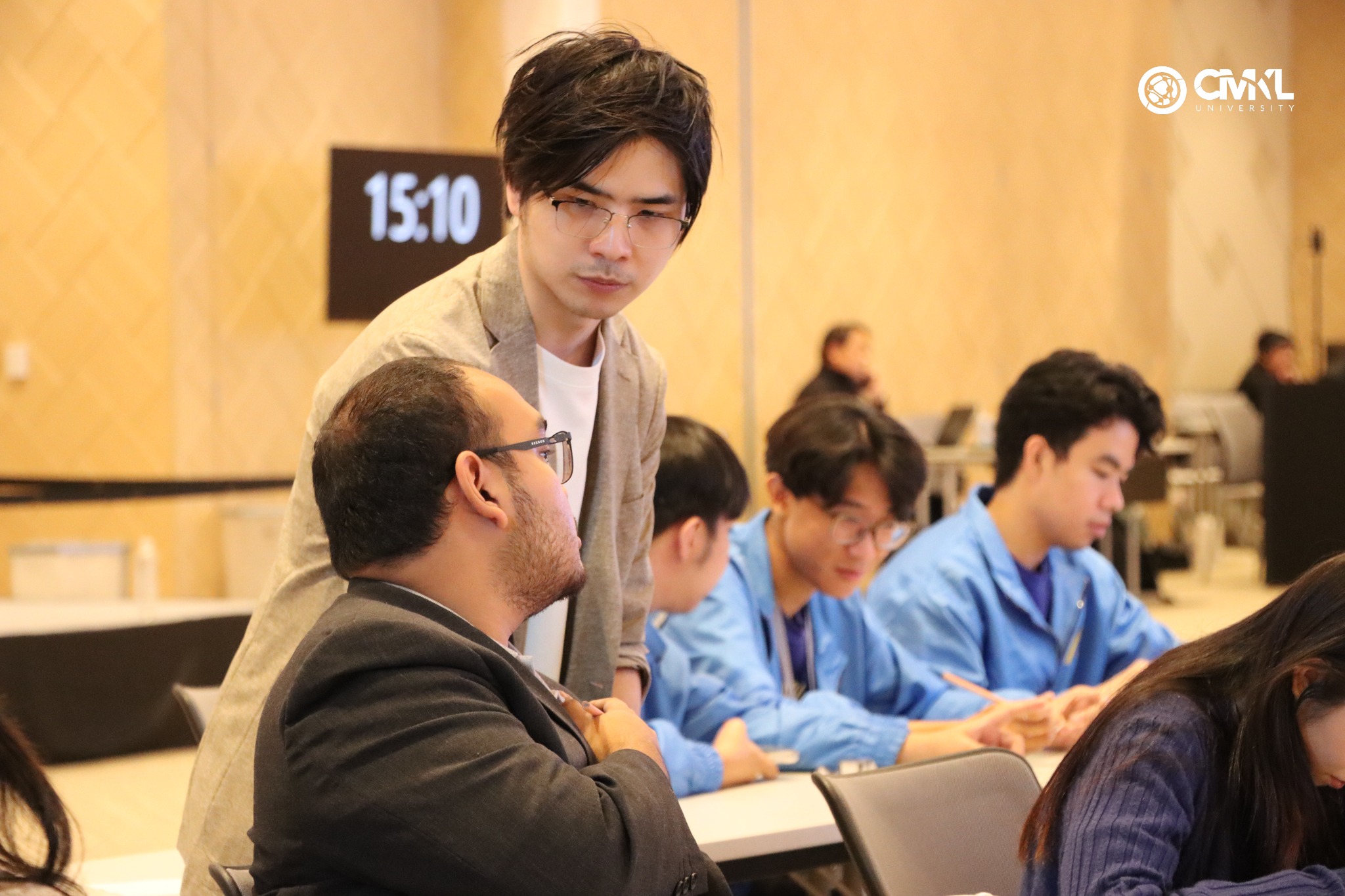
The exercises were structured around an SROI Canvas, allowing participants to work through the assessment process step by step, from defining a project's intended change to developing an initial plan for measuring its impact.
Building a Stronger Foundation for Evidence-Based Sustainability
One of the workshop's central messages was that credible impact measurement depends not only on calculations, but also on clear evidence, stakeholder perspectives, and transparent assumptions.
By understanding what has changed, identifying who benefits, and assessing the extent to which a project contributed to those changes, organizations can make more informed decisions about future initiatives and investments.
The workshop also highlighted how SROI can be applied both before a project begins, to support planning and resource allocation, and after completion, to evaluate results and inform improvements.
These principles reflect the growing importance of evidence-based approaches to sustainability, where organizations are increasingly expected to demonstrate the tangible value of their social and environmental initiatives.
More CMKL Activities at Sustainability Expo 2026
CMKL University's involvement in SX2026 continues with a series of talks, interactive workshops, and innovation activities exploring how technology and artificial intelligence can contribute to a more sustainable future.
Upcoming activities include:
11 November | AI for Sustainable Enterprise: From Intelligence to Impact – Exploring how AI can support sustainability and decision-making within organizations.
12 November | Recognise AI Scams and Deepfakes – A practical workshop to help participants identify AI-enabled scams and misleading digital content.
14 November | AI Innovator Award 2026: Elevator Pitch and Networking – Showcasing innovative AI solutions for water sustainability developed by shortlisted high school teams.
Through these activities, CMKL University continues to connect education, innovation, and practical applications of technology to address real-world challenges.
Discover more CMKL activities at SX2026: https://cmkl.ac.th/news-and-events/all-events


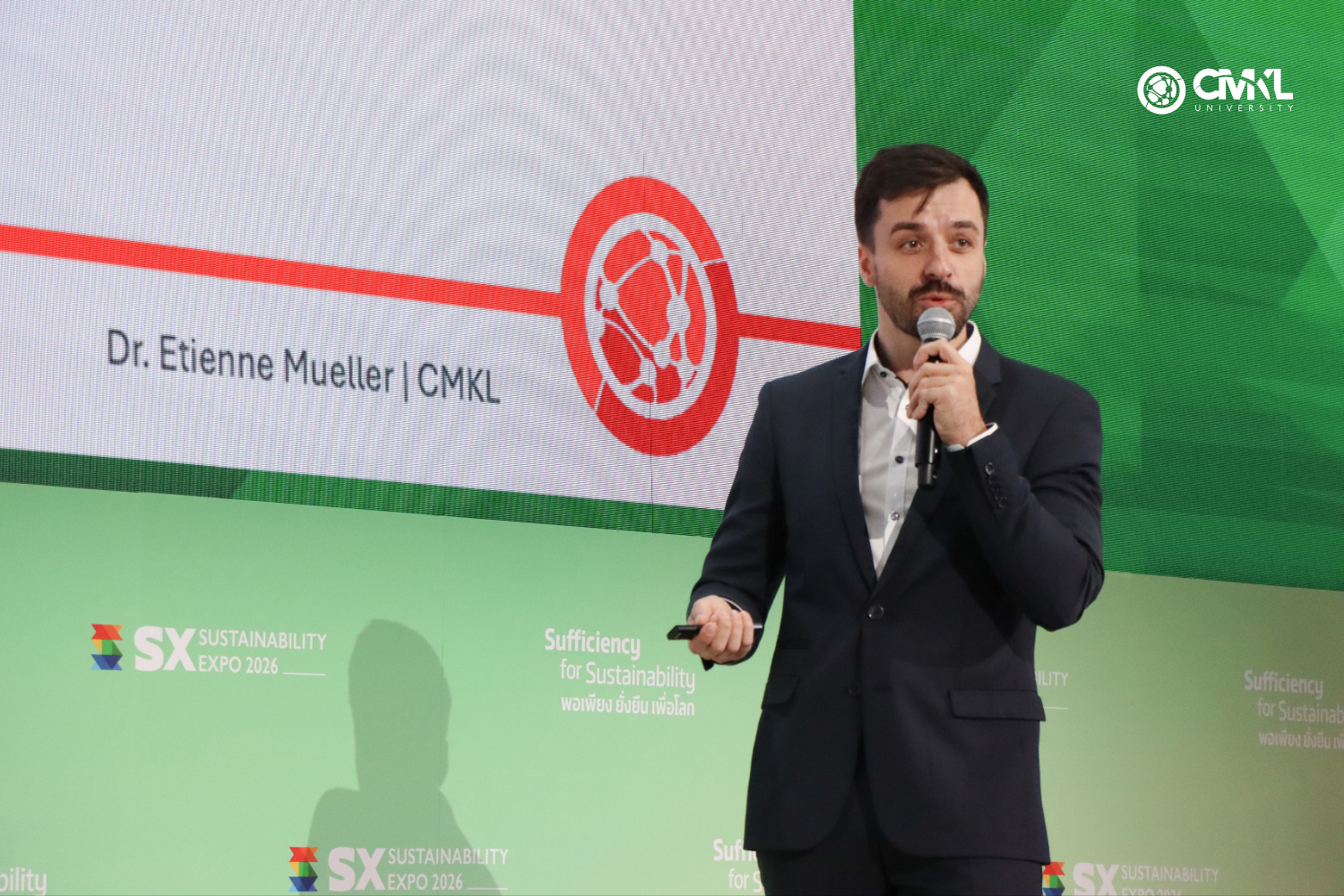
Dr. Etienne Mueller highlights the growing energy demands of artificial intelligence and the importance of sustainable data centre development as Thailand accelerates its ambition to become a regional AI hub.
Read more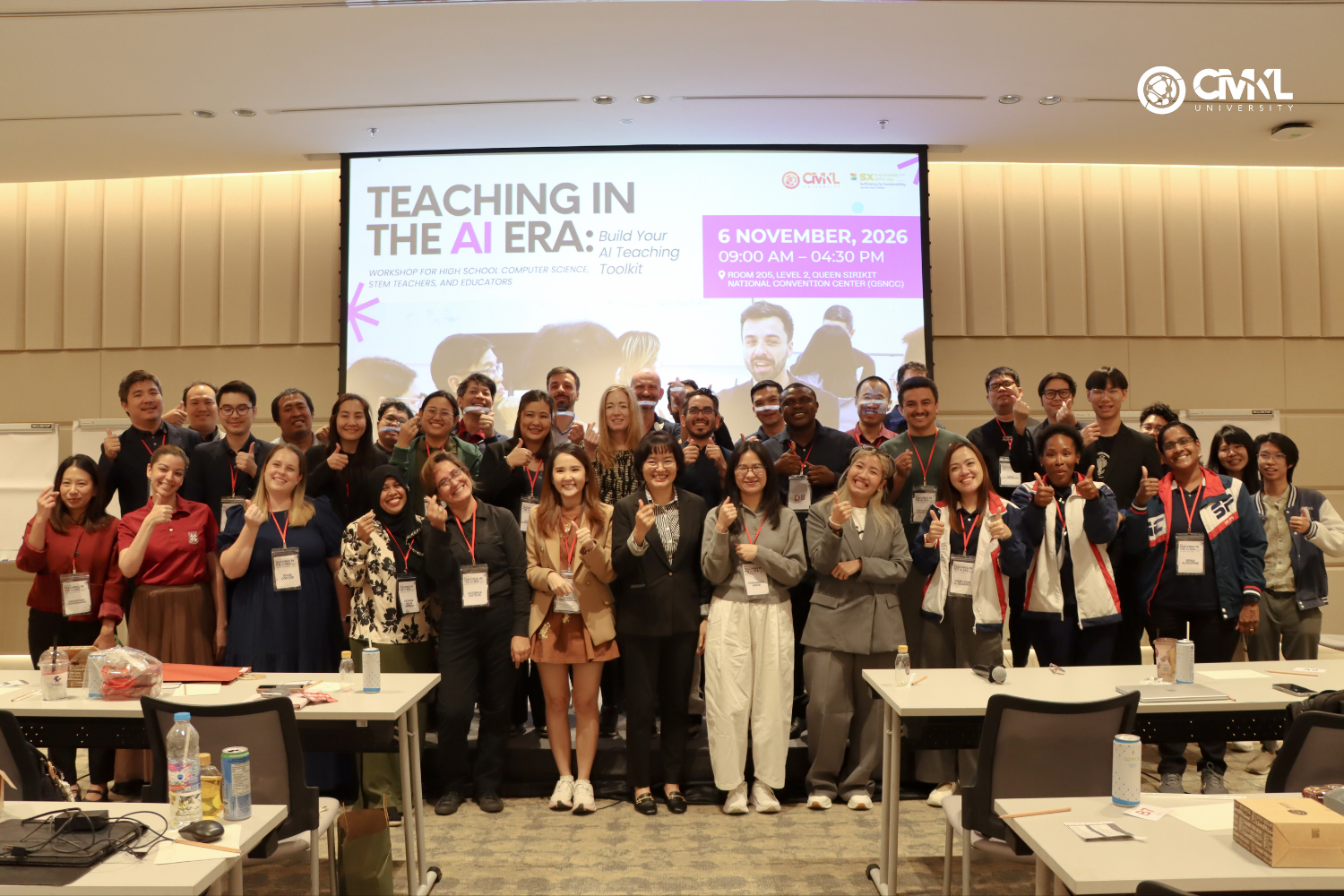
Held on 6 November 2026 at Queen Sirikit National Convention Center in Bangkok, the workshop brought together educators from across Thailand to explore how AI could support lesson planning, classroom activities, assessment, and feedback.
Read more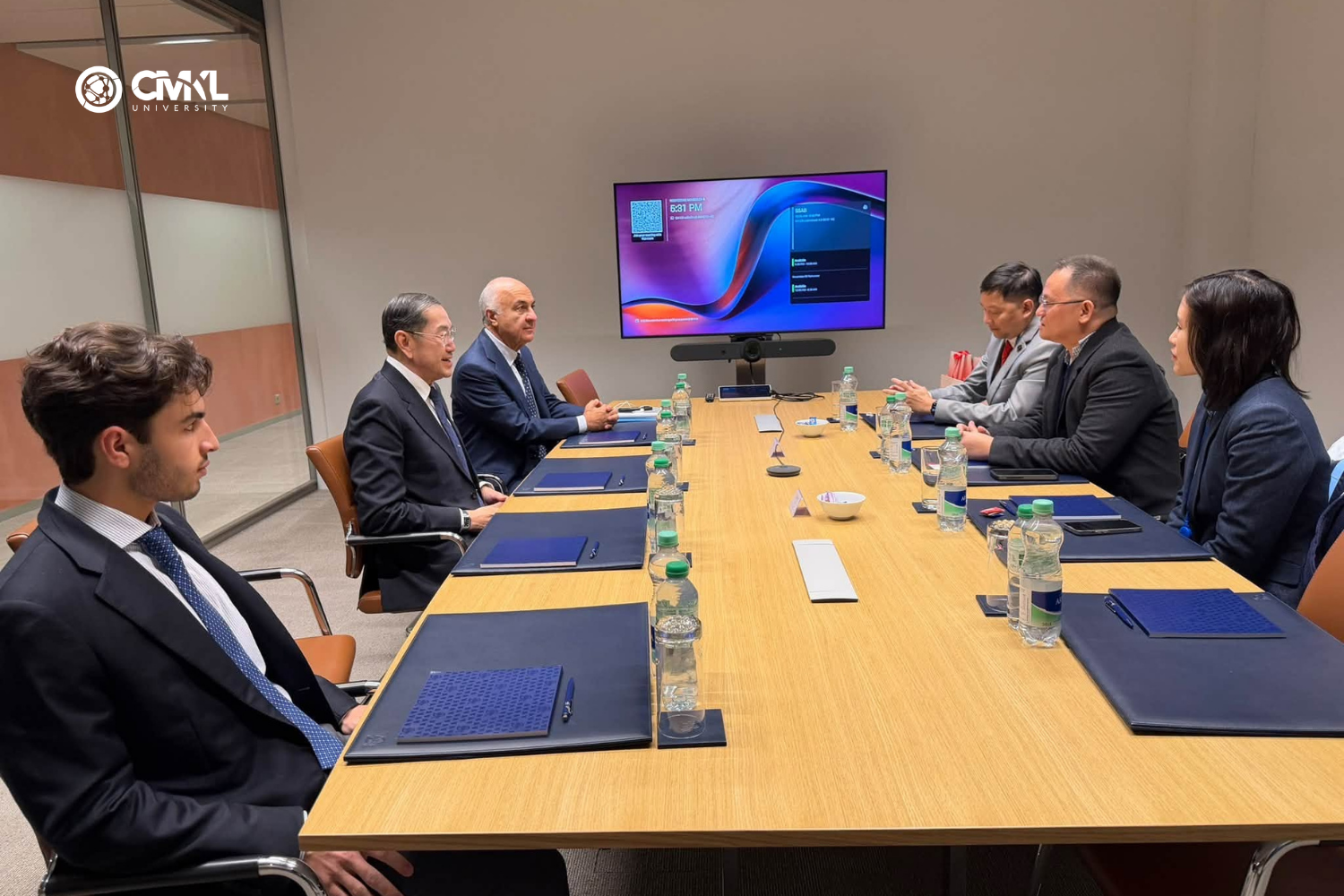
A delegation from CMKL University visited SICPA and the unlimitrust campus in Lausanne, Switzerland, to discuss potential collaboration in artificial intelligence, digital infrastructure, cybersecurity, and support for Thai startups.
Read more